

5:20 AM How Often Should You Service Your Sump Pump? | |
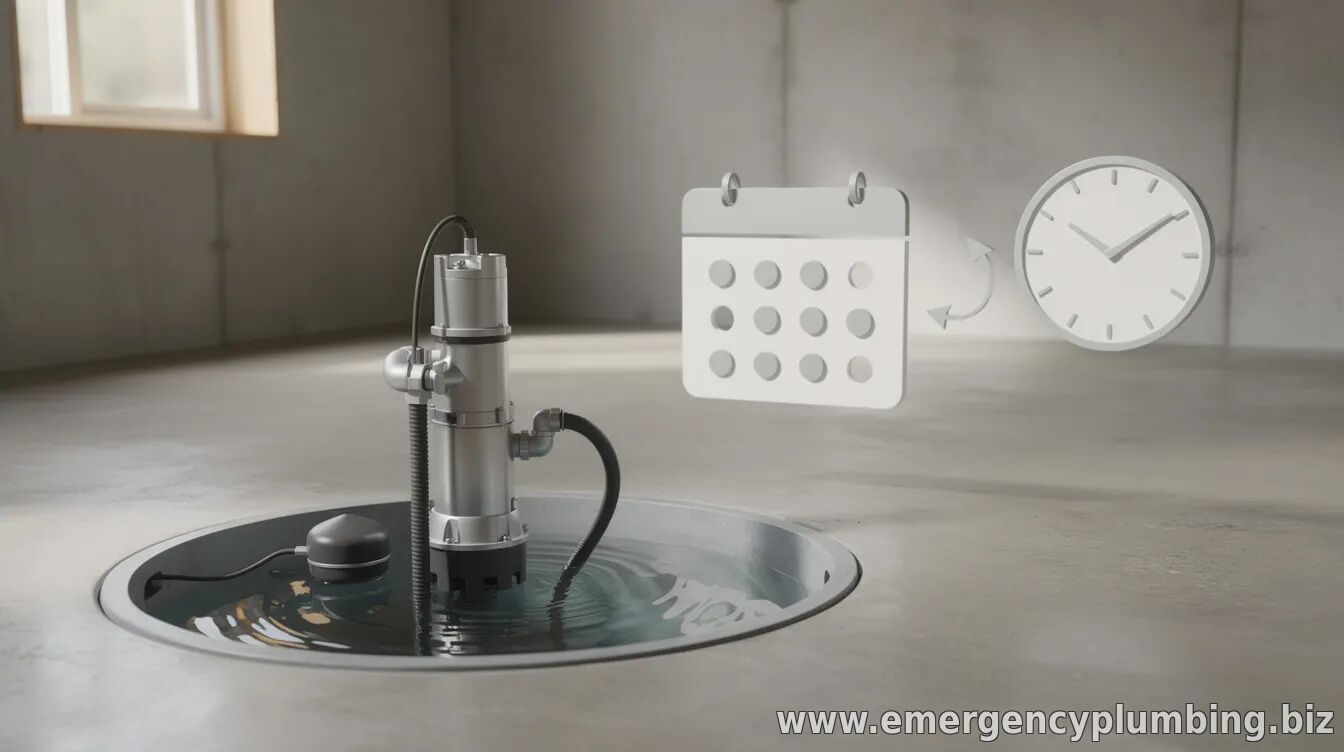
A sump pump is one of the most important pieces of residential flood protection, yet it can fail when debris, worn parts, or poor power connections go unchecked. The right service frequency depends on how your home is set up and how often the pump runs, but a consistent maintenance routine can significantly reduce the risk of unpleasant surprises during heavy rain. Basic schedule: inspect, test, and listen
Most homeowners should start with a simple cadence: inspect the pump and pit every 1–3 months and test it at least every season—typically spring, summer, and fall. In areas with frequent storms or higher groundwater levels, monthly checks are often more appropriate.
During inspections, look for obvious issues such as standing water levels, sediment buildup, debris near the intake, unusual noises, or signs of corrosion. If your pump has a visible discharge pipe, confirm that it remains unobstructed and directs water away from the foundation. Seasonal and “before the wet months” maintenance
In addition to routine checks, perform deeper maintenance at least twice a year, commonly before periods of heaviest rainfall and during late fall. This is when you should clean the sump pit as needed, remove silt or buildup, and inspect the float switch for smooth movement. A float that sticks can prevent the pump from turning on when water rises.
If your system includes a check valve, that component should be inspected for proper operation. A failing check valve can cause backflow into the pit or force the pump to run more frequently than it should. Clues that you need service more often
Your pump may require more frequent servicing if it shows signs of stress. Consider increasing your maintenance frequency if you notice short cycling (the pump turns on and off rapidly), the pump runs during dry periods, or it struggles to clear water efficiently. Frequent runtime may indicate a high water table, but it can also point to clogged intakes, a partially blocked discharge line, or a worn switch.
Similarly, if you hear grinding, rattling, or notice reduced pumping performance, treat it as a signal to service promptly rather than waiting for the next scheduled interval. Power, alarms, and backup options
Maintenance isn’t only about the pump itself. If your system is connected to a battery backup or has an alarm, test those features according to the manufacturer’s instructions. Alarms and backup pumps are most valuable when the primary system is stressed—like during outages—so they should be verified regularly.
Also check the electrical connections and outlet condition during your inspections. Loose connections, tripped breakers, or moisture-related damage can reduce reliability even when the pump mechanism appears fine. What homeowners should document
Keeping a quick maintenance log can help you spot patterns over time. Record when you tested the pump, whether it started immediately, any unusual sounds, the approximate water level in the pit, and what (if anything) you cleaned or replaced. If you end up calling a plumber or pump technician, this information can speed up diagnosis. When to call a professional
Call a qualified technician if the pump fails a test, won’t clear water after maintenance, repeatedly short-cycles, or shows signs of mechanical wear. Professional service may include pressure testing discharge lines, evaluating the check valve and float assembly, confirming proper wiring, and assessing whether the pump size matches your site conditions.
In most homes, the best approach is simple: monthly or quarterly inspections, seasonal testing, and at least two deeper maintenance sessions per year. Adjust the frequency based on local rainfall patterns and how often the pump runs, and your system is far more likely to protect your basement when it matters most.
| |
⏰ Dispatcher support 24/7
📞 224-754-1984CALL ☎ Subscribe 👆 FORUM 🗣
North Shore, Northwest suburbs of Chicago, IL
Next & Previous posts
Related articles: