


2:25 AM How to Install a Steam Generator at Home | |
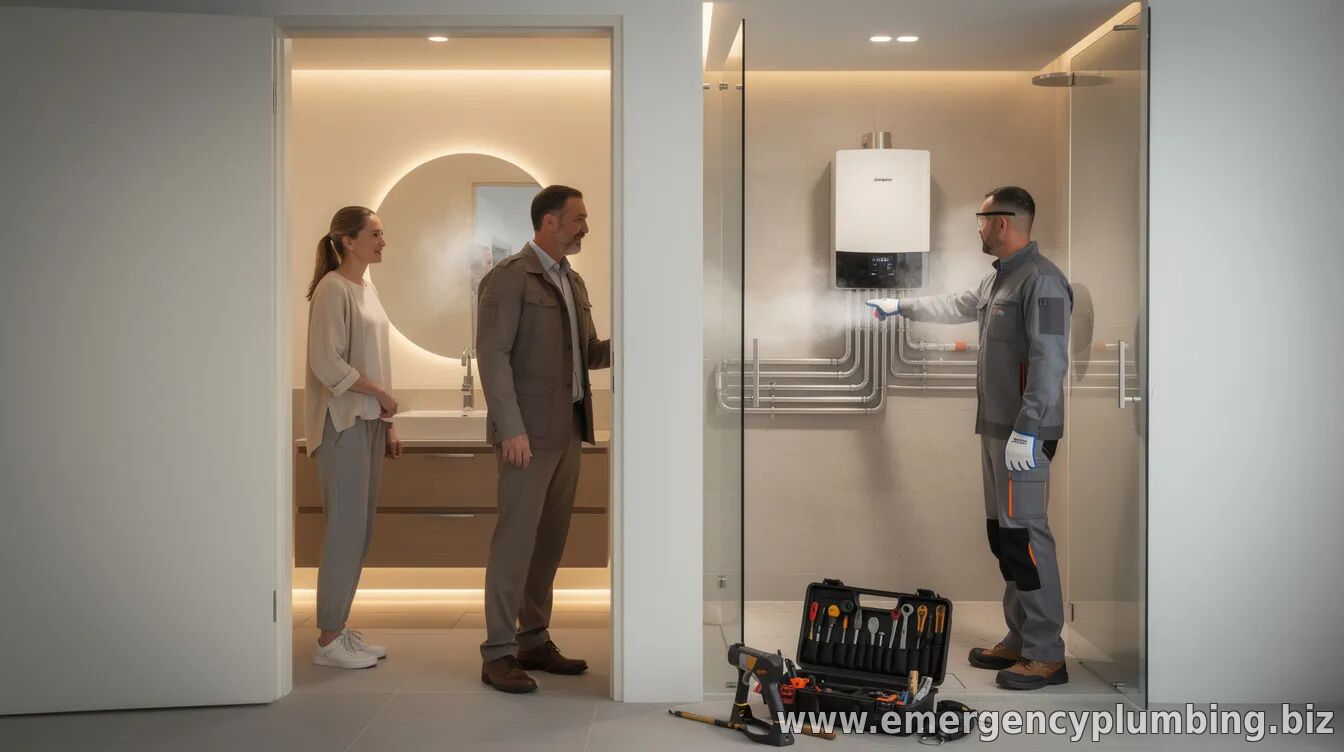
Steam generators deliver consistent steam for home steam rooms, but installation is not a simple plug-and-play project. Whether you’re upgrading an existing shower space or building a new steam room, the key is to match the generator to your room size and follow electrical, plumbing, and ventilation requirements.
Before you begin, confirm you have the correct model for your setup and that the installation location is suitable. Steam generators typically require a stable surface, safe access for maintenance, and enough clearance for plumbing and electrical connections. It’s also important to verify local codes and, when required, involve a licensed electrician or plumber—especially because steam systems combine high heat, water, and power. 1) Size the steam generator and plan the layout
The generator’s output must align with the steam room volume. Measure the room’s dimensions, then consider ceiling height, insulation quality, and whether the room will include features like glass doors or specialty finishes. Under-sizing can lead to weak steam output, while over-sizing may shorten component life and increase energy use.
Next, plan the physical layout: where the unit will mount, where the steam outlet will connect, and how condensate will be managed. If the generator sits in a separate service area, plan for safe routing of steam and condensate lines to minimize leaks and heat loss. 2) Electrical and safety requirements come first
Most steam generators require a dedicated electrical supply, often with a GFCI/RCD protection strategy and proper grounding. Check the manufacturer’s wiring diagram and ensure any required breakers, control units, and sensors are compatible. Avoid improvising connections—steam-room electrical systems should be installed to the exact specifications.
Also confirm that the controls (such as a keypad or digital controller), temperature or pressure sensors, and steam distribution components are installed in locations the manufacturer specifies. Proper sensor placement directly affects steam stability and prevents overheating conditions. 3) Plumbing: water supply, drain, and condensate handling
Steam generators rely on clean water and correct drainage. Many systems include features or recommendations for water treatment (such as scale control), because mineral buildup can reduce performance and shorten service intervals. Use the water type and filtration approach recommended by the manufacturer.
Equally important is the drain design. Steam produces condensate, and the system must be able to remove it reliably. Improper drainage can cause water backing, uneven steam, and premature wear. Ensure that steam and condensate lines are routed with appropriate slope and secure connections, then pressure-test plumbing connections before commissioning. 4) Ventilation and room build-out affect results
Even with a correctly installed generator, the steam room envelope determines the steam experience. Good insulation and vapor barrier coverage help maintain consistent humidity and temperature while reducing energy waste. Ventilation should follow the design intent: the room needs safe air exchange without compromising the controlled steam environment.
Pay attention to sealing around doors, seams, and penetrations. Steam leaks into surrounding spaces can create condensation problems and damage building materials over time. 5) Testing and commissioning: verify before use
After installation, commissioning is the step that confirms everything works as intended. Check electrical status, verify the controller’s inputs, and confirm the steam outlet and condensate paths operate smoothly. Run a controlled heat cycle and observe for leaks, unusual noises, or unexpected behavior.
Finally, calibrate settings according to the manufacturer’s guidance (including timers, temperature targets, and safety limits). If anything deviates—such as slow steam buildup, inconsistent heating, or water drainage issues—pause use and troubleshoot before the system enters regular service.
With the right generator sizing, careful electrical and plumbing execution, and thorough testing, a home steam room can deliver reliable relaxation for years. For best results, use the installation manual as the primary reference and consider professional support for high-risk components like wiring, water connections, and code-required inspections.
| |
⏰ Dispatcher support 24/7
📞 224-754-1984CALL ☎ Subscribe 👆 FORUM 🗣
North Shore, Northwest suburbs of Chicago, IL
Next & Previous posts
Related articles:

![]()