

1:51 AM Common Garbage Disposal Issues and How to Fix Them | |
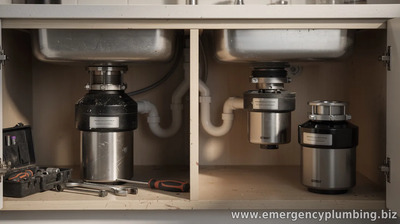
Garbage disposals are designed to handle everyday food waste, but they often develop problems when improper items, overloading, or poor maintenance lead to jams, clogs, or unusual smells. Understanding the most frequent failure points can help you diagnose the problem faster and reduce costly repairs.
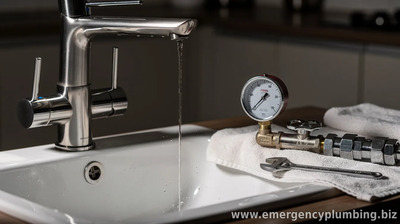
If your disposal is making strange noises, draining poorly, or refusing to turn on, the issue is usually mechanical or the result of waste buildup. Below are the most common garbage disposal problems homeowners report, along with safe next steps. 1) Disposal won’t start or hums when turned on
A common scenario is the disposal buzzing or humming but not running. This can indicate a jam from something hard or stringy that got lodged in the grinding chamber.
First, check the power supply (and reset the unit if it has a reset button). If it’s still stuck, turn off power at the switch or breaker before attempting to clear anything with tools—never put your hands inside. Once the jam is removed, the disposal may operate normally again. 2) Jams from the wrong items
Disposals can struggle with fibrous materials (like corn husks or celery), starchy foods that swell, grease-heavy scraps, and anything rigid that can damage the grinding system. Ice and bones are often misused; while some units can handle small amounts, repeated exposure to hard items can accelerate wear.
To prevent future jams, feed the disposal gradually with cold water running and avoid large loads. If you suspect repeated jams, review your household’s disposal habits and consider whether certain foods belong in the trash or compost instead. 3) Slow draining and clogs in the sink or plumbing
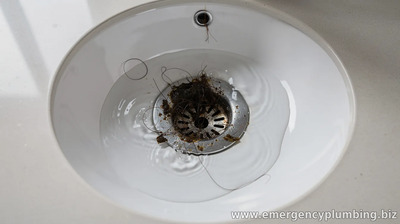
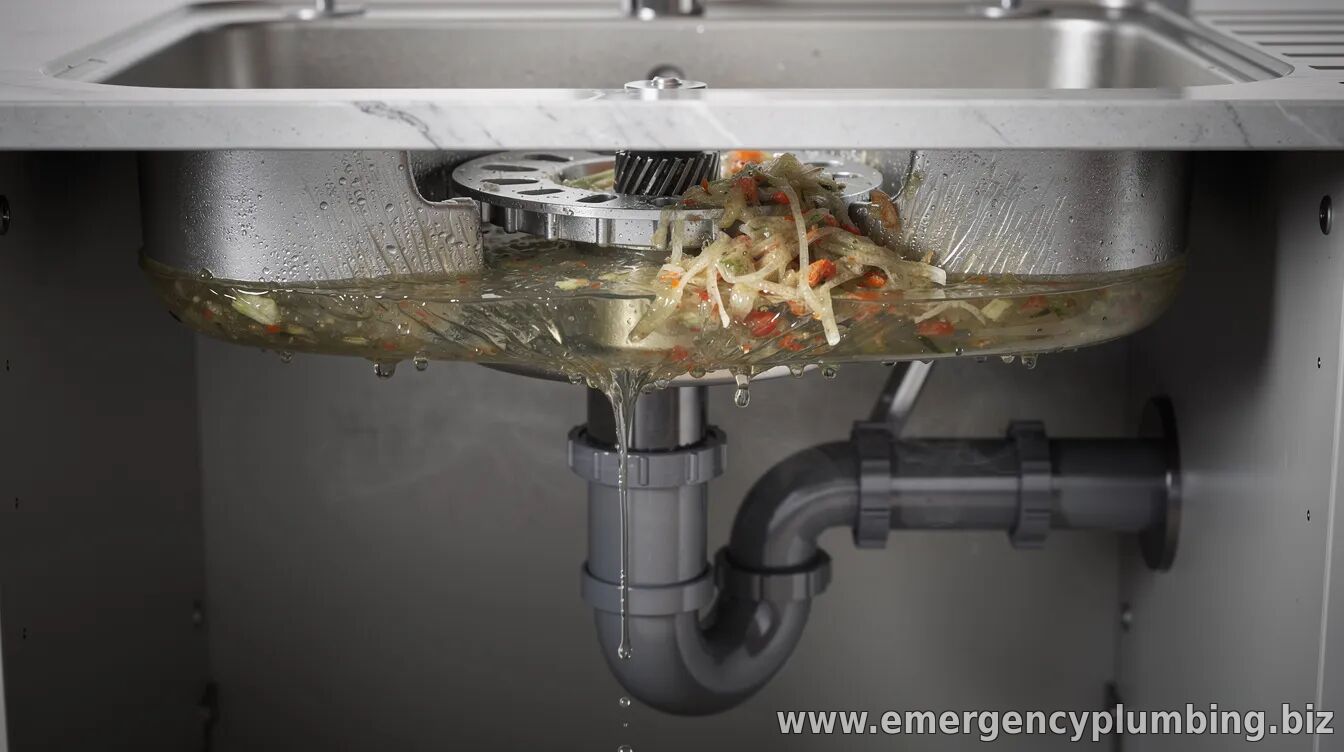
Sometimes the disposal isn’t the real culprit—clogs can form in the drain line or trap, especially when waste builds up faster than it can be ground and flushed away. Signs include water backing up, gurgling, or weak drainage even after the disposal runs.
In these cases, focus on the full drain system. Keep water flowing while running the disposal, and avoid pouring grease or thick waste down the sink. If drainage remains slow, a plumber may need to inspect the plumbing for blockage deeper in the line. 4) Persistent bad odors
Odors often come from food residue trapped in the unit, drain pipes, or splash zone under the sink. Over time, organic buildup can create a sour or rotten smell, especially if the disposal isn’t flushed regularly.
To reduce odors, run the disposal with plenty of water after use, and consider periodic maintenance such as cleaning removable parts (if applicable) and using safe deodorizing methods recommended for disposals. Avoid harsh chemicals that can damage components or create dangerous reactions with other substances. 5) Grinding that seems weak, rough, or inconsistent
If the disposal runs but doesn’t grind effectively—such as producing a rattling sound, taking longer to process waste, or leaving chunks behind—the grinding chamber may be worn, or residue buildup may be interfering with normal operation.
Try running it with a steady stream of water and small amounts of soft waste to confirm performance. If the unit remains weak or noisy, internal components may require service. Repeated performance problems can also be a sign of early mechanical wear. What to do—and what to avoid—when troubleshooting
Before investigating, prioritize safety: disconnect power and never reach into the disposal. Then use gentle, water-based clearing techniques if appropriate and stop feeding the unit until you locate the cause of the malfunction.
By recognizing these common garbage disposal issues early—jams, clogs, odors, and grinding performance—you can restore normal operation more quickly and reduce the likelihood of recurring problems. When in doubt, a licensed plumber can help confirm whether the disposal itself or the surrounding plumbing needs attention.
| |
⏰ Dispatcher support 24/7
📞 224-754-1984CALL ☎ Subscribe 👆 FORUM 🗣
North Shore, Northwest suburbs of Chicago, IL
Next & Previous posts
Related articles: