1:20 AM How We Choose Equipment for Our Customers | |
Choosing the right equipment can make the difference between smooth operations and ongoing disruptions. That’s why we use a structured selection process designed to match customer requirements with dependable technology—without adding unnecessary complexity.
Our approach starts with understanding the job you’re trying to get done. We review the workflow, the environment where equipment will be used, and the performance you need (including throughput, accuracy, durability, and expected operating conditions). From there, we translate those requirements into clear technical criteria. Step 1: Define the real requirement
Before comparing models, we identify constraints and priorities. That includes physical fit (space, mounting, power availability), integration needs (existing systems, connectivity, or control interfaces), and maintenance expectations (frequency, parts availability, and support coverage). This step helps ensure we recommend equipment that solves the actual problem—not just the closest alternative. Step 2: Evaluate performance and compatibility
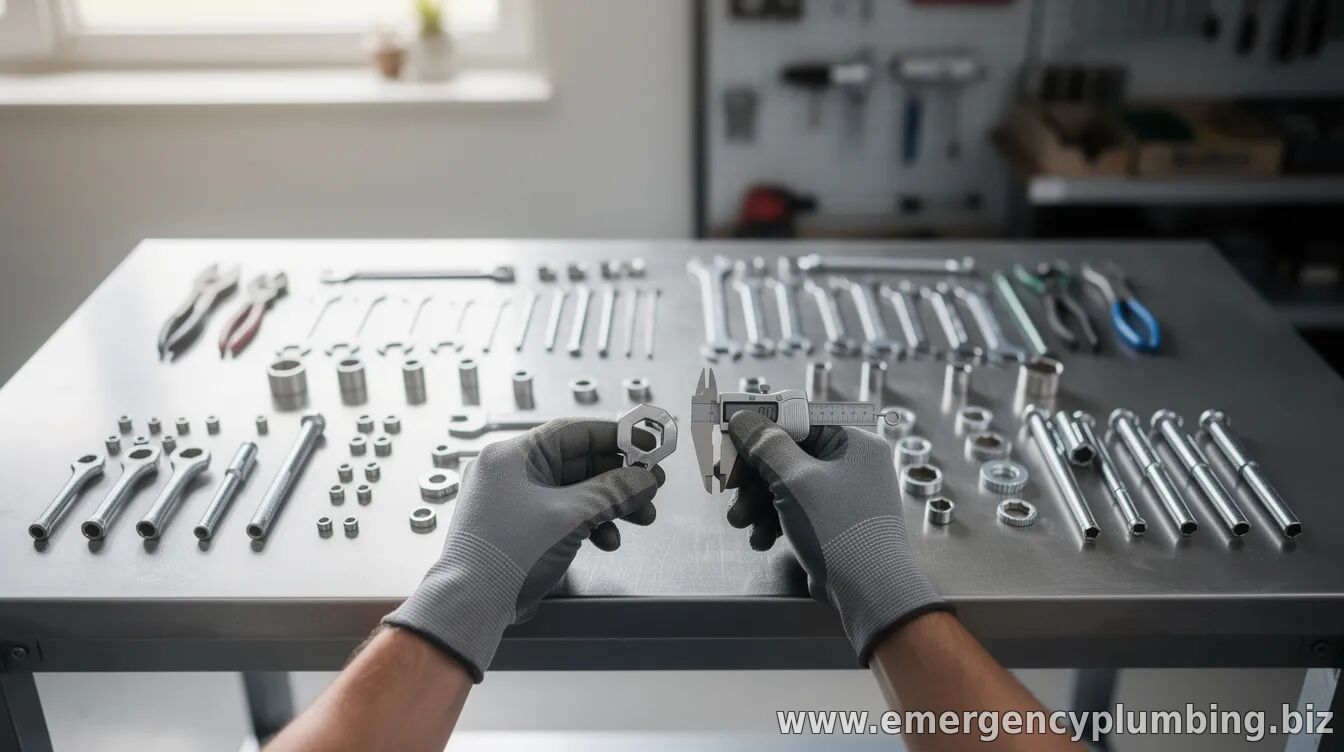
Next, we assess how potential options perform in the conditions your team faces. We look at reliability history, expected uptime, operational efficiency, and manufacturer specifications that relate to your use case. Just as important, we confirm that the equipment will work with your current setup and processes.
Whenever possible, we validate recommendations using documented benchmarks, reference deployments, and—when the situation warrants—hands-on demonstrations or pilot testing. The goal is confidence: you should know what performance to expect and why that choice fits your environment. Step 3: Consider total cost of ownership
Cost isn’t only the purchase price. We evaluate total cost of ownership, including power usage, consumables, maintenance cycles, spare parts readiness, and the effort required for routine servicing. By factoring these elements up front, we aim to minimize surprises and support better planning over time.
We also consider scalability. If your needs are likely to change—more volume, upgraded workflows, or new locations—we prioritize solutions that can grow with you or can be upgraded without restarting the entire selection process.
Step 4: Plan for support, training, and longevity. Equipment performance depends on proper installation and day-to-day operation. For that reason, we align on implementation steps, training needs, and escalation paths for troubleshooting. We also confirm warranty terms and service availability so you have clear coverage when it matters.
We close the loop by reviewing the recommendation against the original requirements and success criteria. If a configuration meets performance targets, fits operational constraints, and has support that matches your expectations, it moves forward. If not, we iterate—because the right equipment is the one that works reliably in your hands, not just in a spec sheet.
| |
⏰ Dispatcher support 24/7
📞 224-754-1984CALL ☎ Subscribe 👆 FORUM 🗣
North Shore, Northwest suburbs of Chicago, IL
Next & Previous posts