

1:58 AM Power Vent vs Standard Vent Gas Water Heaters | |
Gas water heaters rely on venting systems to safely remove combustion products. While both power vent and standard (atmospheric) vent models do this job, they use different technology—an important distinction for installation requirements, performance, and compatibility with common vent layouts. How standard vent water heaters work
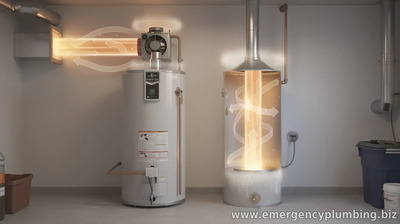
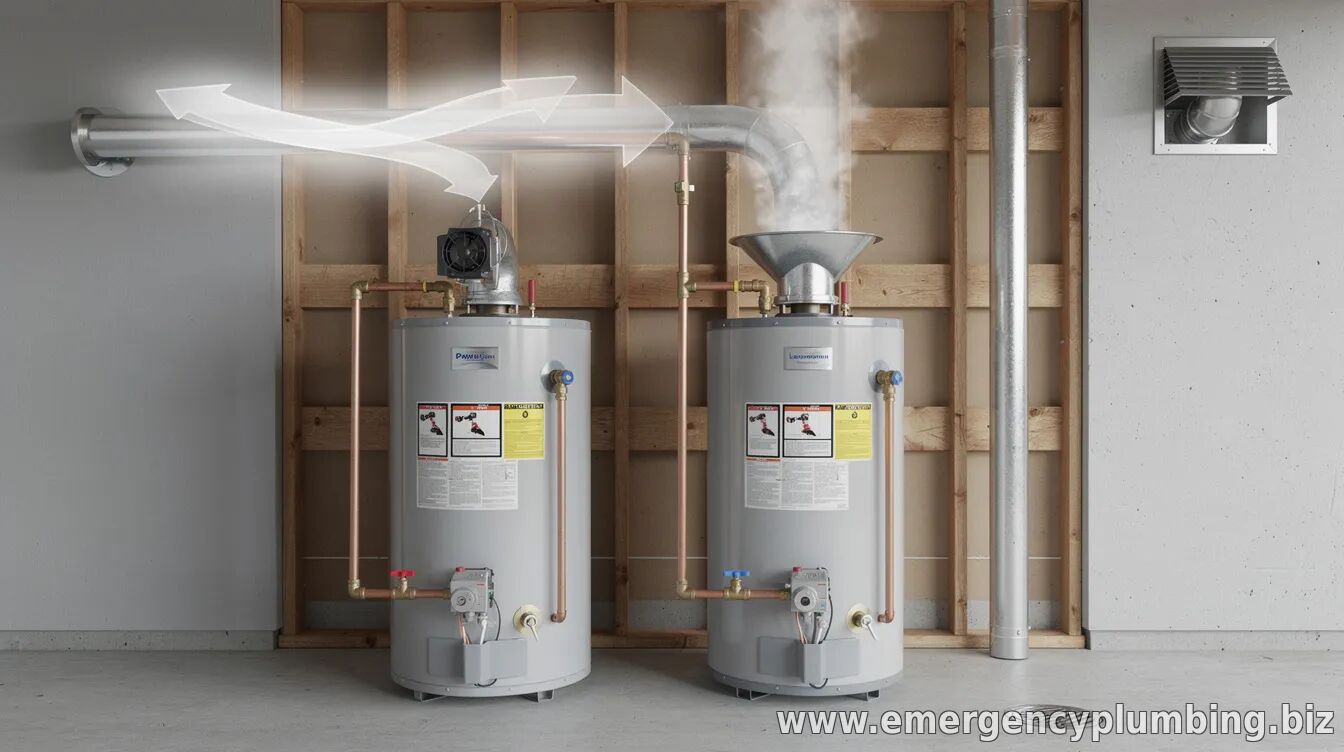
Standard vent gas water heaters typically use natural draft. As the burner heats the water, hot exhaust rises through a vertical chimney-style flue or a designated draft venting path. The system depends on pressure differences created by warm exhaust rising and cooler air outside moving in.
Because they rely on natural draft, standard vent heaters are usually best suited to installations with proper vertical venting and consistent airflow. If a home’s venting route is long, poorly aligned, or subject to downdrafts (for example, from nearby rooflines or strong wind), a standard vent unit may perform less predictably. How power vent water heaters work
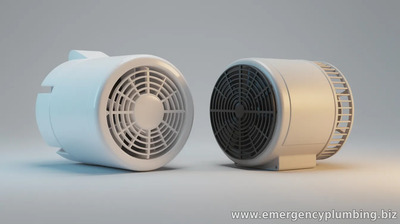
Power vent gas water heaters use a fan (a powered blower) to move combustion gases through the venting system. Instead of relying solely on natural draft, the fan helps create the pressure needed for exhaust to exit the building through a vent route that can be more flexible in direction and length.
This design can be advantageous in retrofit situations where a traditional vertical flue is difficult or expensive to add. However, power vent models still require correctly sized vent materials and adherence to manufacturer and code guidance to ensure safe operation. Key differences to consider
Beyond the presence of a fan, the practical differences often come down to installation flexibility, ventilation constraints, noise, and how each system responds to site conditions. In general terms, power vent units can be easier to route in tighter spaces, while standard vent units are typically simpler and may be quieter because they don’t include a blower.
In addition, some setups—such as those involving fan-driven exhaust systems for clothes dryers or whole-house ventilation—can influence draft behavior. Because standard vent heaters rely more heavily on natural pressure differences, they may be more sensitive to competing airflow in the home.
Efficiency and safety considerations
Efficiency depends on the specific heater model, burner design, insulation, and whether it includes features like electronic ignition and improved combustion controls. It’s possible to find efficient units in both categories, but the ventilation system must be correctly installed to realize safe, stable combustion.
Safety is the non-negotiable factor: improper vent sizing, incorrect materials, leaks, or poor termination locations can create dangerous backdrafting or exhaust leakage risk. Whether you choose power vent or standard vent, professional installation and code-compliant venting are critical. Which one is right for your home?
If your installation allows a straightforward, adequately vertical vent path with reliable draft, a standard vent water heater may be a simpler choice. If you’re retrofitting, working in a constrained space, or need more flexible vent routing, a power vent heater can be the more practical option—assuming you have appropriate electrical supply and follow the manufacturer’s venting instructions.
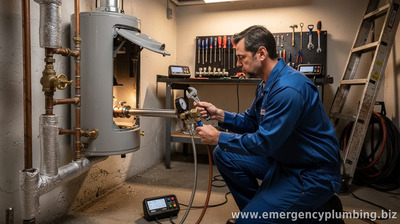
The best decision usually comes from matching the heater type to your home’s venting conditions. A licensed plumber or HVAC professional can assess factors like vent length, routing, roof terminations, potential downdrafts, and how other home exhaust appliances may affect indoor air pressures.
| |
⏰ Dispatcher support 24/7
📞 224-754-1984CALL ☎ Subscribe 👆 FORUM 🗣
North Shore, Northwest suburbs of Chicago, IL
Next & Previous posts
Related articles: