

3:18 AM Power Vent vs. Standard Vent Water Heaters Explained | |
Water heaters are essential, but “venting” is often the deciding factor in which type is right for a home. Two common options—standard (natural draft) vented water heaters and power vent (fan-assisted) units—handle exhaust differently. That difference can influence installation flexibility, performance, and safety features.
In simple terms, both types move combustion gases out of the home, but the method and supporting equipment are not the same. The best choice depends on your existing plumbing and ventilation layout, fuel type, and local code requirements. How standard vent water heaters work
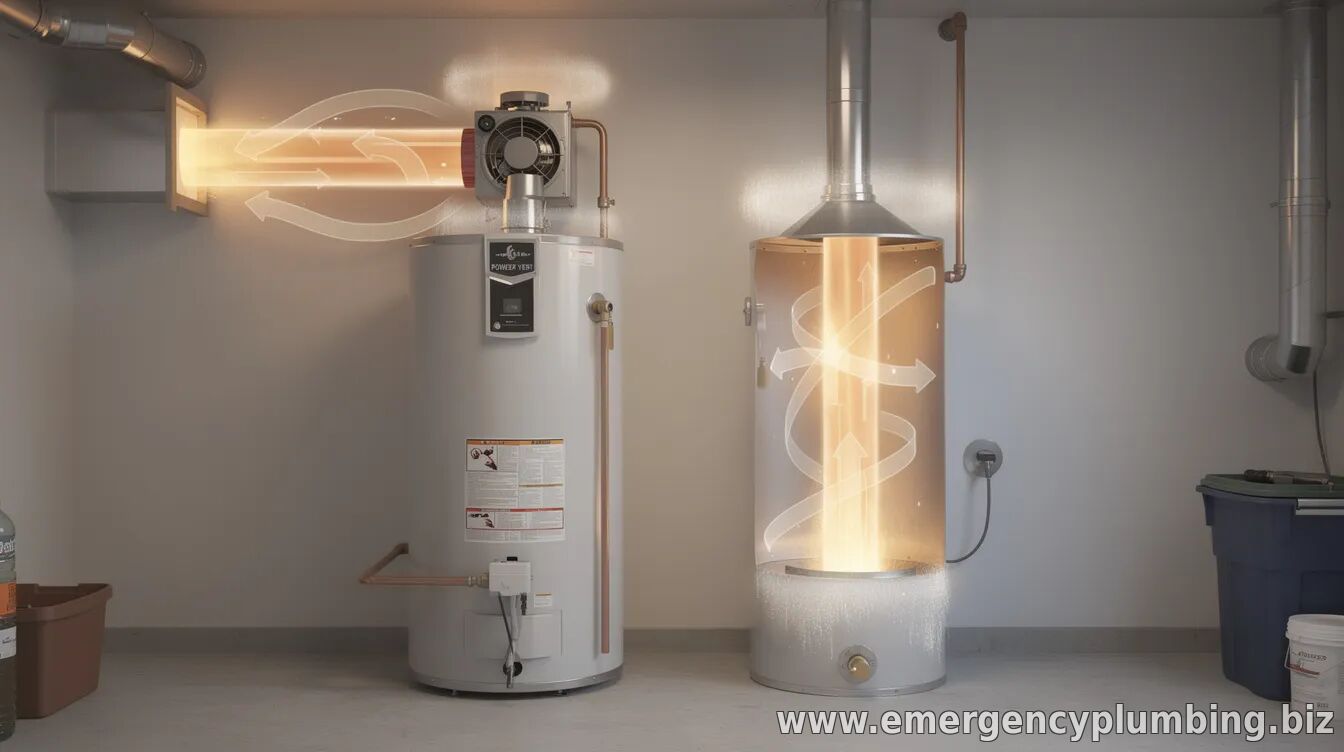
A standard vent water heater uses natural draft to pull hot exhaust gases through a flue. When the burner ignites, the heat produced helps create an upward flow that carries combustion byproducts outside through the chimney or vent pipe.
Because this relies on natural airflow and temperature differences, standard vent setups typically need a properly sized vent route and conditions that allow drafts to form reliably. Homes with certain venting constraints may find standard venting harder to accommodate. How power vent water heaters work
Power vent water heaters use a fan (and often a specially designed vent system) to move exhaust gases out. Instead of relying solely on natural draft, the unit actively pushes combustion products through the venting system.
This design can make installation easier in situations where traditional upward-only venting is challenging. Many power vent systems also use sensors and controls to help monitor operation and vent conditions, adding layers of built-in safety management. Key differences to consider
When comparing power vent vs. standard vent models, the most important factors are venting flexibility, installation complexity, and how the unit behaves in different home conditions.
Energy efficiency is also a practical consideration. While vent type doesn’t automatically determine efficiency, the overall heater design, insulation, burner control, and water usage patterns typically matter more than the vent category alone. Which one is right for your home?
Home layout and existing infrastructure often decide the outcome. If you already have a suitable chimney or vent route that meets the heater’s specifications, a standard vent model may be straightforward. If your available vent path, roofline, or mechanical room constraints limit what a natural draft system can do, a power vent approach may be the better fit.
Because incorrect venting can create safety risks and may violate code, it’s smart to consult a qualified installer. Ask them to review your current venting configuration, the heater’s venting requirements, and whether any changes to ducting, vent diameter, or termination location are needed.
Ultimately, both power vent and standard vent water heaters can provide reliable hot water when installed correctly. The “best” choice is the one that matches your venting conditions, installation constraints, and operating needs—while meeting manufacturer instructions and local safety codes.
| |
⏰ Dispatcher support 24/7
📞 224-754-1984CALL ☎ Subscribe 👆 FORUM 🗣
North Shore, Northwest suburbs of Chicago, IL
Next & Previous posts
Related articles: