


1:55 AM Smart Water Shutoff Valves: How They Work, Why They Matter | |
Smart water shutoff valves are becoming a go-to upgrade for homes looking to reduce the risk of expensive water damage. Instead of waiting for a leak to soak ceilings or floors, these devices monitor water usage patterns and can stop the flow quickly when something seems wrong.
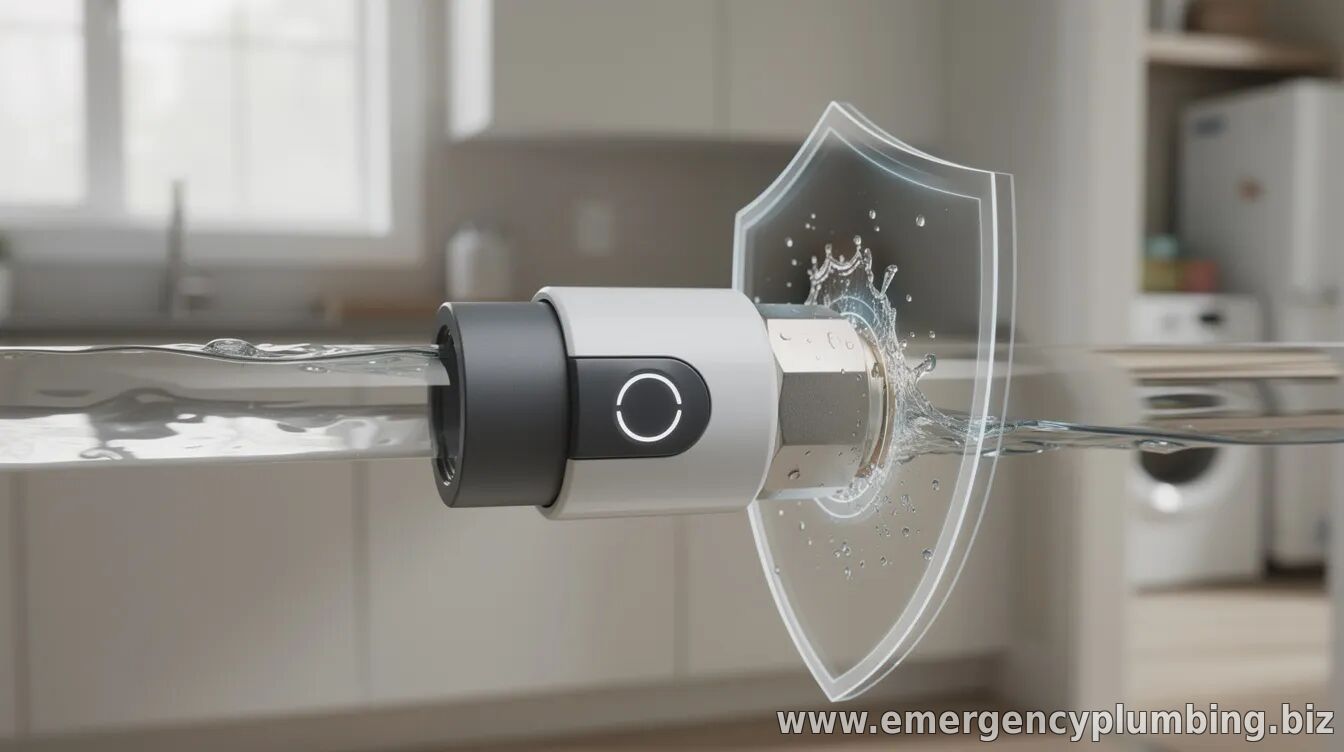
At a high level, a smart shutoff valve combines a motorized valve with sensing and communication. Depending on the model, it may use data from its own flow sensor and pressure readings, integrate with dedicated leak sensors, or both. How smart shutoff valves work
Most smart shutoff systems continuously measure water flow. When the valve detects conditions such as sustained flow where no water should be running, a rapid change in pressure, or signals from nearby leak sensors, it triggers an automatic shutoff.
After the water is cut, the system typically sends alerts to a smartphone app. Many platforms also provide an event log so homeowners can see what was detected, when it happened, and whether the system turned the valve off successfully.
Resetting the system usually requires confirming the cause of the alert—such as fixing a dripping faucet or addressing a burst pipe—before restoring water service. This helps prevent repeated shutoffs from an unresolved issue. What “smart” means in practice
Smart shutoff valves don’t just shut off water; they aim to shorten the time between detection and action. Models that include leak sensors can be placed near high-risk areas like under sinks, behind toilets, water heaters, and near laundry connections.
More advanced versions may also offer features like freeze protection (detecting conditions that could lead to frozen pipes), usage learning (understanding typical household patterns), and smart notifications that differentiate between “possible leak” and “active leak.” Why every home should consider one
Water damage is often expensive because it spreads silently. A slow leak can continue for hours—or days—before it’s noticed. Smart shutoff valves can reduce the severity of that scenario by stopping the water early.
They also provide peace of mind for homeowners who are away frequently, such as during vacations or business travel. If a pipe fails while the home is empty, automated detection and remote alerts can help limit damage.
Finally, some homeowners find that pairing a shutoff valve with sensors improves household reliability beyond what basic leak detection offers. Instead of only notifying you, the system can take immediate action. Choosing the right system
When selecting a smart shutoff valve, consider compatibility with your home’s plumbing setup and the level of protection you want. Look for strong detection logic, reliable app alerts, and clear instructions for manual override or reset.
It’s also wise to evaluate how the device handles false positives—such as brief toilet refills or short-term water use—and whether you can tune settings to match your household.
For best results, plan sensor placement carefully and test the system after installation. A well-configured setup should provide faster detection, clear alerts, and a straightforward path to restore service once the underlying issue is resolved.
| |
⏰ Dispatcher support 24/7
📞 224-754-1984CALL ☎ Subscribe 👆 FORUM 🗣
North Shore, Northwest suburbs of Chicago, IL
Next & Previous posts