

1:32 AM Winter Pipe Protection: What to Do When Temps Drop Below Zero | |
When temperatures fall below zero, water inside household pipes can freeze quickly—especially in unheated spaces like garages, basements, crawl spaces, and exterior walls. Frozen pipes may expand, cracking the pipe or damaging fittings, leading to leaks and water damage when the system thaws. Start before the cold peaks
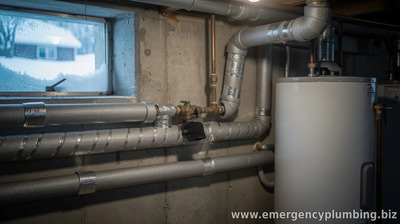
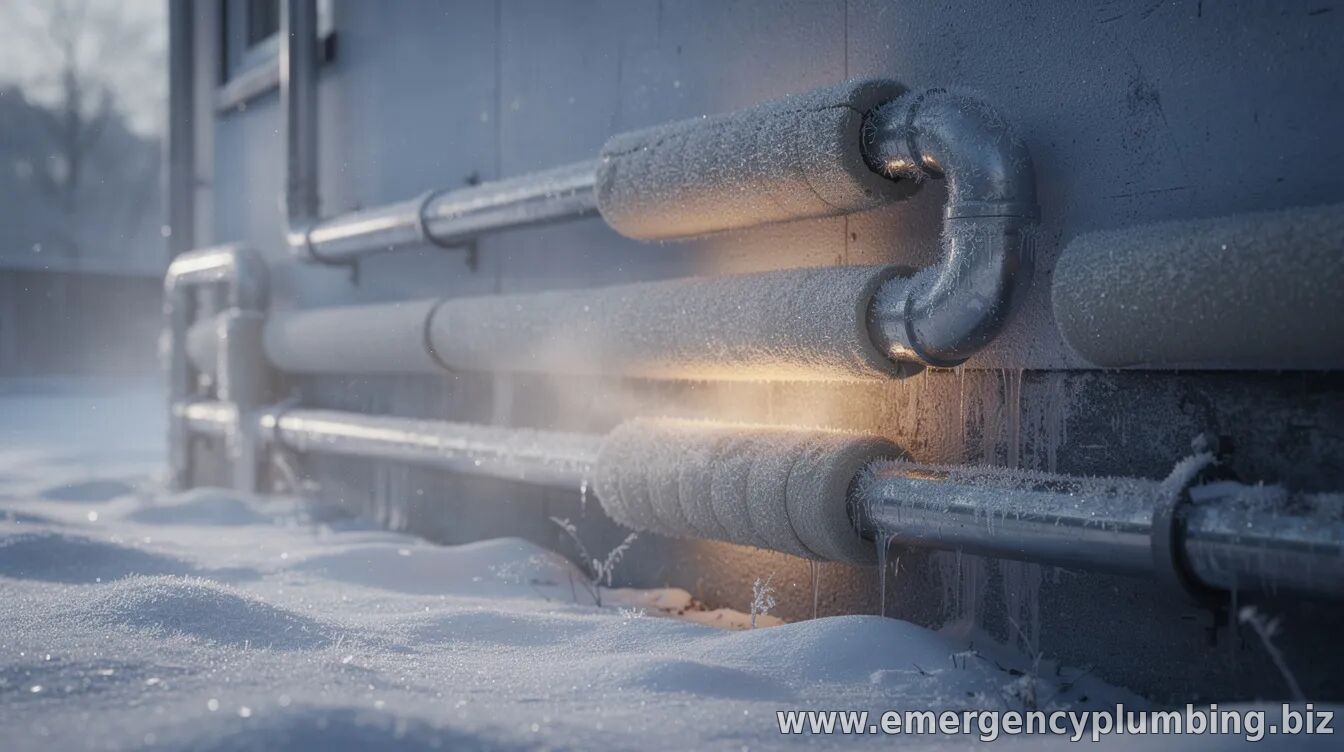
The most effective protection happens early. Insulate pipes that run through—or near—cold areas, including supply lines to outdoor faucets, water heaters, and sections behind cabinets. Use foam pipe sleeves or wrap insulation rated for cold weather, and add protection where pipes pass through walls and floors.
Next, identify “high risk” areas: any exposed plumbing, pipes near windows or exterior doors, and locations where air drafts reach. Seal gaps around pipe penetrations with caulk or expanding foam to reduce cold air infiltration. If you have shutoff valves, make sure they’re accessible so you can isolate the system quickly if needed. Use safe heat and airflow strategies
If you need temporary measures during a sudden deep freeze, focus on steady, controlled warmth—not open flames or unsafe heat sources. Electric pipe heat cables or heating tape (installed according to the manufacturer’s instructions) can help protect specific runs. Keep heat sources away from flammable materials and avoid overloading circuits.
Also consider improving indoor temperature consistency. Let faucets drip slightly from the coldest exposed fixtures served by the same line during prolonged subzero conditions. In many cases, a small, continuous flow reduces the chance of freezing by keeping water moving. Know what to do if a pipe freezes
If you suspect freezing, act promptly. Start by locating the likely section—often where the pipe is exposed or passes through an unheated space. Avoid hitting or bending the pipe. Instead, warm it gradually, beginning with the area closest to the faucet and moving toward the blockage.
Use safe warming methods such as a hair dryer, heat lamp, or warm towels applied carefully around the pipe. Never use a blowtorch or other high-heat tools. If the pipe has thawed, check for leaks at joints and fittings. If water doesn’t flow after thawing, the pipe may be damaged or the blockage may still be present.
If you cannot safely thaw the line or you see signs of a burst pipe (water where it shouldn’t be, bulging, or sudden loss of pressure), shut off the main water supply to limit damage and contact a licensed plumber. Outdoor and seasonal shutoff tips
Outdoor plumbing is a frequent trouble spot. Disconnect hoses, drain outdoor spigots if they’re not freeze-proof, and open outdoor faucet valves to release trapped water (then close them if appropriate to your fixture type). For sprinkler systems and irrigation lines, follow the provider or local guidance for winterization and draining—this is especially important where freezing is prolonged.
If you’re away for extended periods during extreme cold, consider adjusting your thermostat to a safe minimum and confirming insulation coverage. In some cases, fully shutting down and draining certain systems may be appropriate, but this depends on your plumbing setup and local conditions.
Being prepared can mean the difference between a minor inconvenience and a major repair. By insulating vulnerable pipes, maintaining safe water flow during extreme drops, and responding quickly to freezing, homeowners can significantly reduce the risk of pipe bursts when temperatures stay below zero.
| |
⏰ Dispatcher support 24/7
📞 224-754-1984CALL ☎ Subscribe 👆 FORUM 🗣
North Shore, Northwest suburbs of Chicago, IL
Next & Previous posts
Related articles: