

1:49 AM Why Outside Cleanouts Matter for Your Plumbing System | |
Most homeowners focus on sinks, toilets, and drains inside the house—until a backup forces a mess-ready, emergency call. One often overlooked safeguard sits outside: the outside cleanout. Installed along sewer or main drain lines, cleanouts provide controlled access for inspection and cleaning, helping keep water moving and reducing the likelihood of major clogs.
Cleanouts are especially important because underground plumbing is difficult to reach. When a clog forms inside buried pipes, water can back up into fixtures or overwhelm a drain before anyone notices. With a proper cleanout in place, plumbers can address blockages more directly rather than relying on trial-and-error. What an outside cleanout does
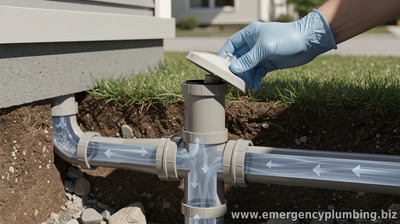
An outside cleanout is essentially a service port connected to your home’s drainage system. Its purpose is to make maintenance and troubleshooting faster and safer. Instead of breaking open walls or floors, technicians can use the cleanout opening to run inspection tools or clear obstructions where they are most likely to occur.
In practical terms, outside cleanouts can help during common scenarios such as grease buildup, tree-root intrusion, sediment accumulation, or clogs caused by foreign objects. By allowing targeted access, they can reduce both time and cost when problems arise. How cleanouts help prevent backups
Backups often happen when a clog grows large enough to restrict flow throughout the line. If the blockage is slow-forming—like gradual buildup from mineral deposits or aging pipe interiors—it may not trigger immediate alarms. Over time, however, restrictions can worsen during heavy usage or rain-driven flow, leading to sudden overflows.
Outside cleanouts provide an early intervention option. Regular inspection or periodic cleaning can identify developing issues before they escalate. For many systems, that means fewer instances of slow drains, fewer emergency service calls, and a better chance of catching problems early. Where to find them and what to check
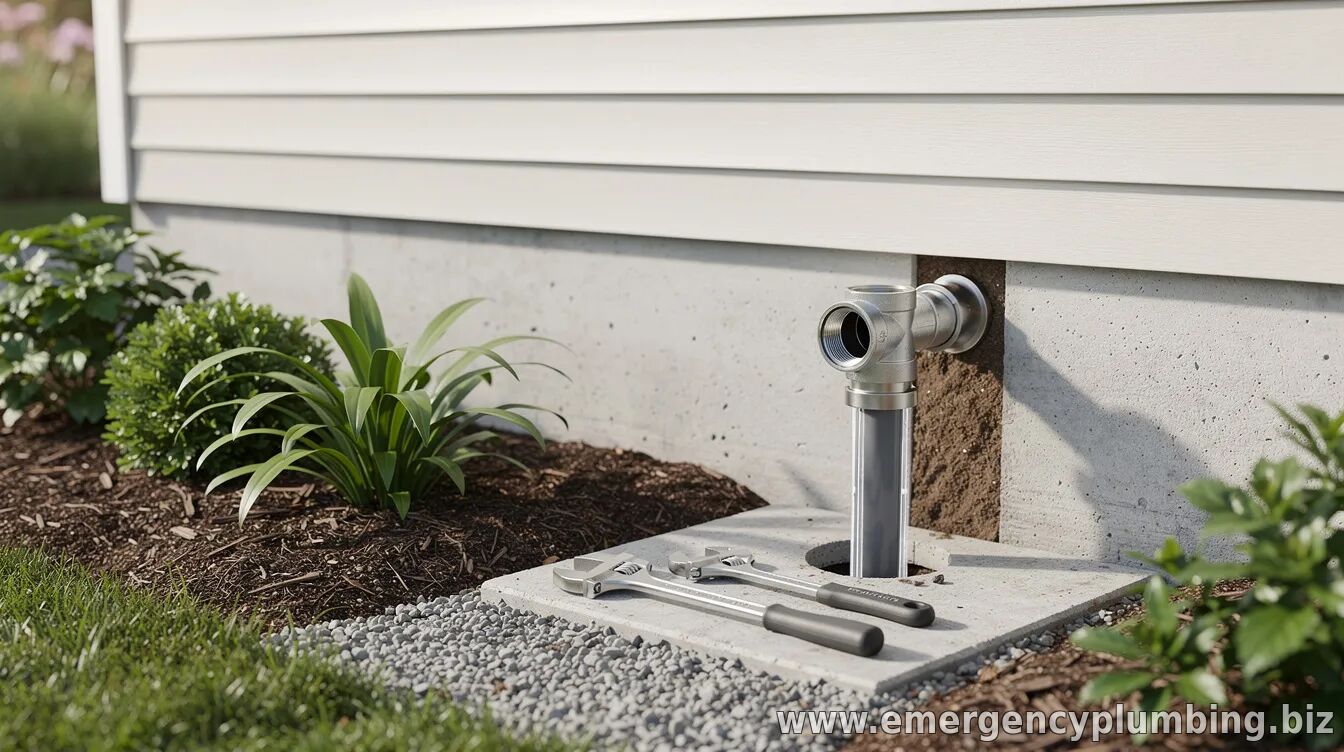
Cleanouts are typically located near the foundation or where the main drain line exits the home. Some properties may have more than one access point, depending on the layout and plumbing design. Homeowners should be able to visually locate the cleanout cover or access cap and understand what it connects to.
It’s also worth checking practical details that affect serviceability. Keep the area around the cleanout accessible—avoid burying it under mulch, soil, gravel, or landscaping materials. If the cap is damaged, corroded, or difficult to remove, maintenance should be handled promptly to prevent delays during a real blockage. Maintenance tips that reduce plumbing risk
Cleanouts don’t require daily homeowner use, but they do benefit from basic upkeep. Start with accessibility: ensure the opening remains unobstructed and identifiable. Next, avoid actions that can lead to future clogs, such as flushing inappropriate items or sending excessive grease and debris into drains.
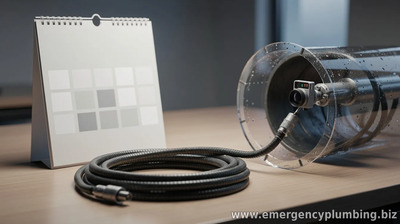
When it comes to cleaning or inspections, it’s generally best left to licensed plumbing professionals—especially for systems that show recurring slow drainage, frequent backups, or signs of root intrusion. A technician can determine whether snaking is enough or whether a more advanced approach (like camera inspection) is needed.
Outside cleanouts are a small feature with outsized impact. By making your drainage system easier to inspect and clear, they help protect your home from disruptive backups and can lower long-term maintenance costs. Taking a moment to locate, protect, and understand your cleanout can pay off the next time your plumbing needs attention.
| |
⏰ Dispatcher support 24/7
📞 224-754-1984CALL ☎ Subscribe 👆 FORUM 🗣
North Shore, Northwest suburbs of Chicago, IL
Next & Previous posts
Related articles: