

0:48 AM 7 Common Causes of Low Water Pressure at Home | |
Low water pressure can make everyday tasks like showering, washing dishes, or doing laundry frustrating. While the cause is often something relatively minor inside your home, sometimes the problem starts at the street or with the water provider’s infrastructure.
A quick diagnostic helps: does the low pressure affect only one faucet or multiple fixtures? That single detail can narrow down the likely cause and save time—and water—during troubleshooting. 1) Clogged faucet aerator or showerhead
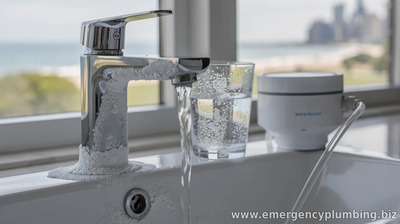
One of the most common reasons for weak flow is mineral buildup or debris in the aerator (the small screen at the tip of a faucet) or the showerhead. Over time, hard water deposits can restrict flow, reducing pressure at that specific fixture.
Try removing and cleaning the aerator or showerhead. If the issue clears after cleaning one fixture, you’ve likely found the cause. 2) Partially closed shutoff valve
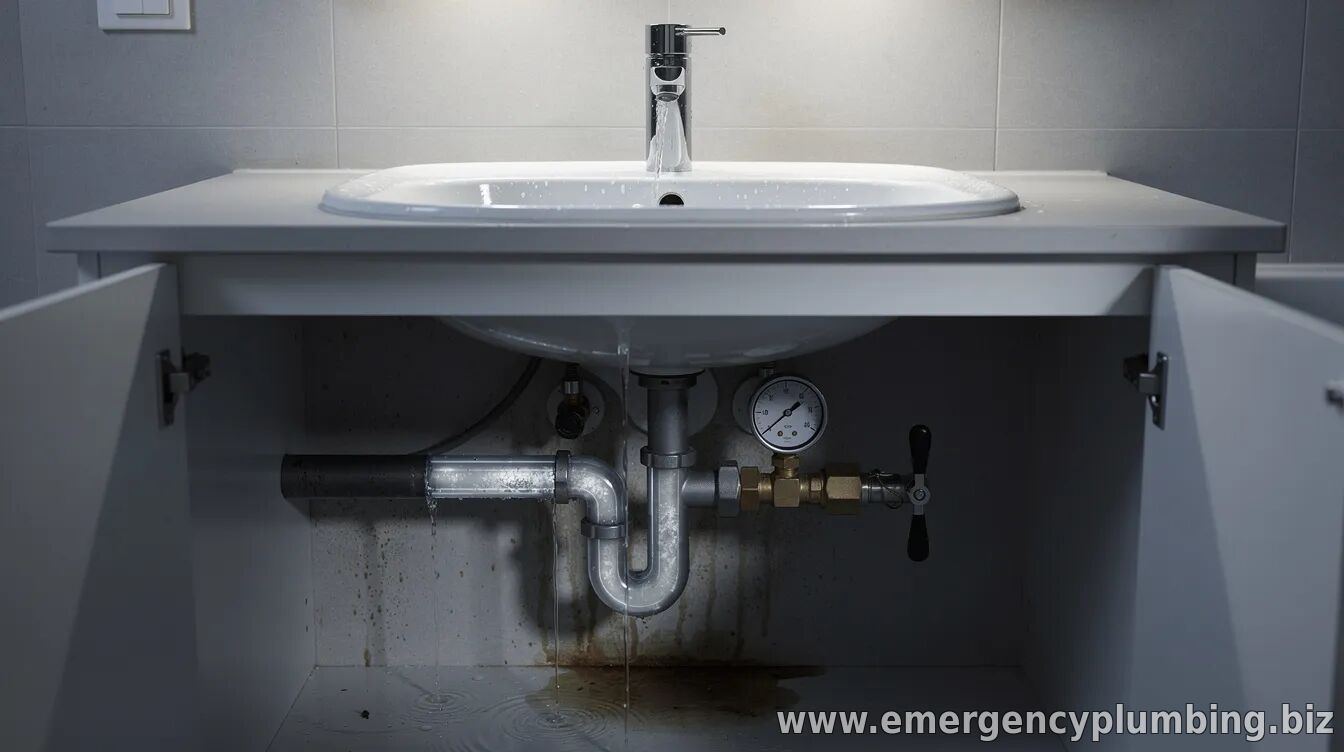
If a shutoff valve was turned only partially—during installation, maintenance, or repairs—it can limit water flow and lead to consistently low pressure. This can affect one area (like a bathroom) or a whole section of plumbing.
Check the valves under sinks, near toilets, or where the home’s supply line connects. Ensure they’re fully open and that nothing is obstructing the handle’s movement. 3) Water pressure regulator problems
Many homes have a pressure regulator to keep incoming household pressure within a safe range. If it’s set too low, failing, or clogged with sediment, it can reduce pressure throughout the home.
If low pressure shows up across multiple rooms, the regulator is a high-priority item to inspect (or have inspected). Adjusting settings should be done carefully and according to the manufacturer’s guidance. 4) Scale buildup or pipe corrosion
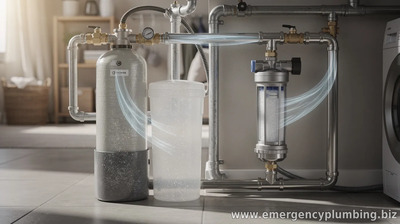
In homes with hard water or older plumbing, mineral scale and internal corrosion can narrow the inside of pipes. This restriction reduces flow rate, which people perceive as low pressure—especially at higher-demand times like running multiple fixtures.
Signs may include gradual worsening over time, cloudy water, or reduced flow from several outlets. Addressing this may require professional evaluation, and sometimes pipe treatment or replacement, depending on severity. 5) Leaks in plumbing or in the line
A leak won’t always look dramatic. Hidden leaks can reduce available pressure by allowing water to escape before reaching your fixtures. The impact depends on where the leak occurs and how large it is.
Look for wet spots, damp drywall, unexplained water meter movement, or water pooling near pipes. In some cases, hiring a plumber to perform leak detection can quickly pinpoint the issue. 6) Clogged supply line or debris in the plumbing
Debris can enter supply lines during construction, repairs, or after work on nearby plumbing. Sediment can settle in valves, sections of pipe, or strainers, limiting flow.
If the problem is localized and cleaning fixture screens doesn’t help, it may be time to check broader filters or have the supply lines inspected for blockage. 7) Municipal or neighborhood water pressure issues
Sometimes the cause isn’t in your home at all. If neighbors experience low pressure—or if it occurs during specific hours—an issue with the local water system may be responsible. Seasonal demand spikes, maintenance, or water main problems can affect pressure across an area.
Verify whether the issue is widespread. If so, contact your water utility and report the timing and affected locations to help them investigate.
Next steps: Start with the simplest checks—clean the aerator/showerhead and verify shutoff valves—then determine whether the problem is localized or whole-house. From there, consider pressure regulators, pipe scaling, leaks, clogs, and external water-supply issues.
If you want, tell me whether the low pressure affects one fixture or the entire home, and whether your water supply is hard (scale buildup on faucets). I can suggest the most likely cause to investigate first.
| |
⏰ Dispatcher support 24/7
📞 224-754-1984CALL ☎ Subscribe 👆 FORUM 🗣
North Shore, Northwest suburbs of Chicago, IL
Next & Previous posts
Related articles: