

1:30 AM Sump Pump vs Ejector Pump: Key Differences Explained | |
A sump pump and an ejector pump both move unwanted water away from a building, but they’re built for different plumbing setups and water sources. Understanding the differences can help homeowners pick the right equipment and reduce the risk of basement flooding or drainage backups.
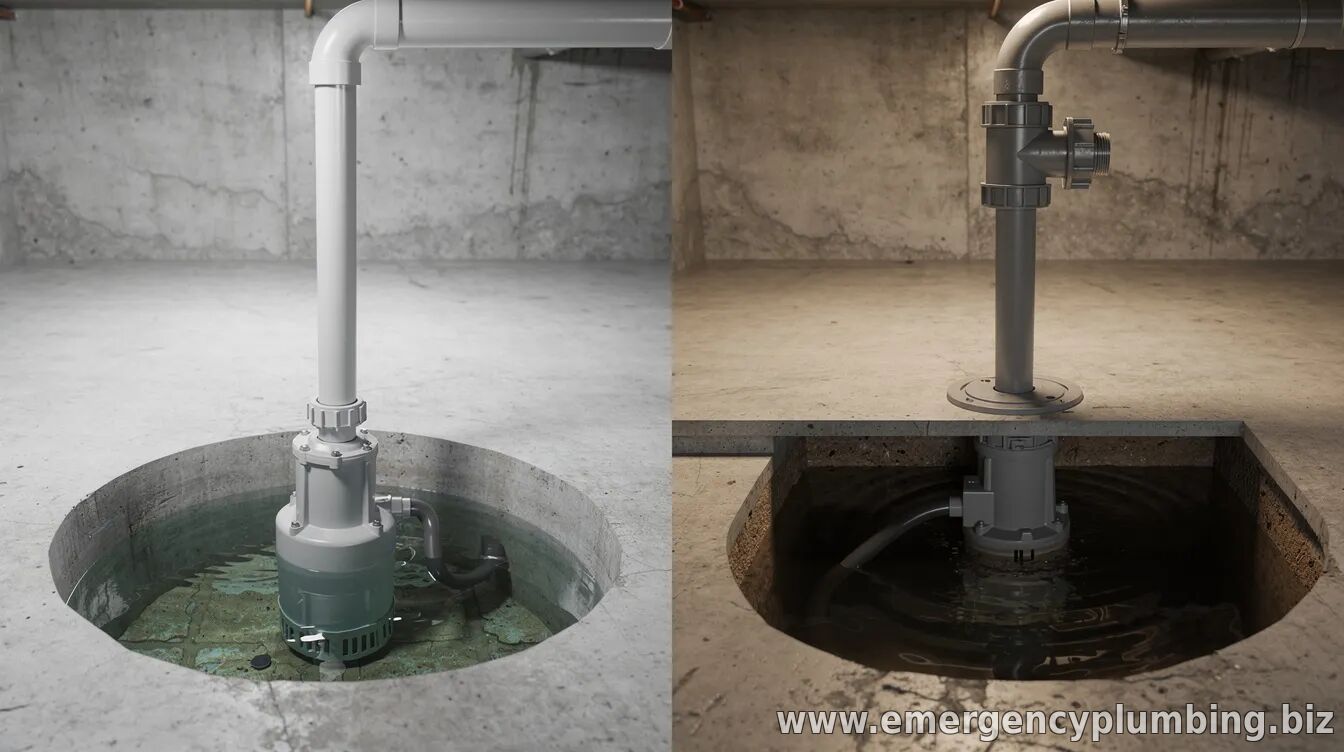
At a glance: a sump pump is commonly used for water that collects in a lowest point (like a basement sump pit), while an ejector pump is typically used when water must be lifted from a higher or enclosed drain location up to where it can discharge. Where the water comes from
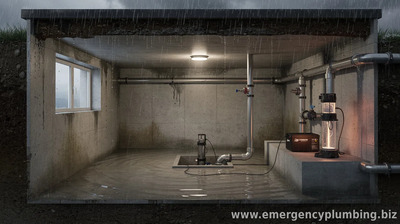
In most homes, a sump pump handles groundwater seepage, stormwater infiltration, or condensation that accumulates below-grade and collects in a dedicated sump basin (pit). An ejector pump is often installed in a separate basin or receiving tank designed to collect wastewater or drainage that would otherwise be unable to flow to a main discharge line by gravity. How each pump is installed and operates
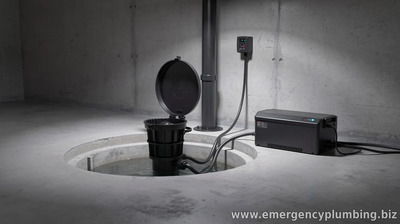
Sump pumps are usually placed in a sump pit in the basement or crawl-space, where a float switch activates the pump when water reaches a certain level. The discharge line typically routes to a suitable outlet such as a storm drain, dry well, or an area that won’t re-enter the building.
Ejector pumps are commonly used with systems that require pressure or lift—for example, discharging water from a basement bathroom, laundry room, or a mechanical space where the sewer or drainage line is too high for gravity flow. Many ejector applications use a tank that receives wastewater and pumps it upward through a discharge pipe. Discharge location and lift requirements
The biggest practical difference is the lift and plumbing route required. Sump pumps are primarily designed to remove groundwater from below grade and send it away to a predetermined discharge location.
Ejector pumps are selected based on how far and how high the waste or drainage must be pushed to reach the main sewer or discharge point. Because they often handle wastewater in addition to water, ejector systems may be configured for higher duty cycles and specific piping arrangements. What each pump is typically used for
most often choose a sump pump for basement waterproofing—especially in areas prone to heavy rains or persistent seepage where water collects in a pit.
An ejector pump is commonly used where basement plumbing fixtures discharge into a collecting tank. It’s also relevant in situations where the building’s main drain is not positioned low enough for gravity flow, or where the layout requires a pumped “eject” to the correct outlet. Maintenance and reliability considerations
Both systems rely on float switches, check valves, and reliable power. Sump pumps typically need routine checks to confirm the pit stays clear, the float moves freely, and the discharge line isn’t obstructed.
Ejector pumps often require additional attention because the receiving tank and discharge components can be affected by wastewater characteristics. Periodic inspection of the check valve, alarm (if installed), and the pump’s performance can help ensure the system doesn’t fail during heavy use or storms.
Bottom line: pick a sump pump for groundwater collection in a sump pit, and choose an ejector pump when your drainage or wastewater must be lifted from a basement-level collecting tank to a higher main line. If you’re replacing equipment, a licensed plumber or qualified contractor can confirm the right pump type by checking the water source, piping layout, and required head pressure.
| |
⏰ Dispatcher support 24/7
📞 224-754-1984CALL ☎ Subscribe 👆 FORUM 🗣
North Shore, Northwest suburbs of Chicago, IL
Next & Previous posts
Related articles: