1:04 PM Are tankless water heaters suitable for large households? | |
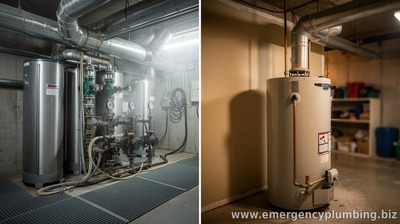
For households with many residents or high simultaneous hot-water needs, the question isn’t just if a tankless system can heat water, but whether it can supply enough flow when several taps run at once. Tankless models heat water on demand, which can save space and reduce standby energy loss, but their effectiveness hinges on size, installation, and climate.
Key considerations for large households
1) Flow rate and proper sizing: Tankless heaters are rated by gallons per minute (GPM). A large household may require multiple outlets (showers, sinks, laundry) running at once. An undersized unit may deliver lukewarm water during peak demand. A professional assessment often involves calculating peak-hour usage and selecting a unit or a loop that can meet or exceed that demand.
2) Climate and water temperature: In colder climates, incoming water is cooler, reducing the available GPM. In such areas, higher-capacity models or multiple units in parallel may be necessary to maintain comfortable temperatures during peak use.
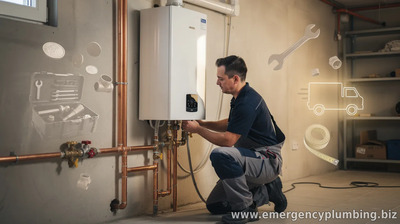
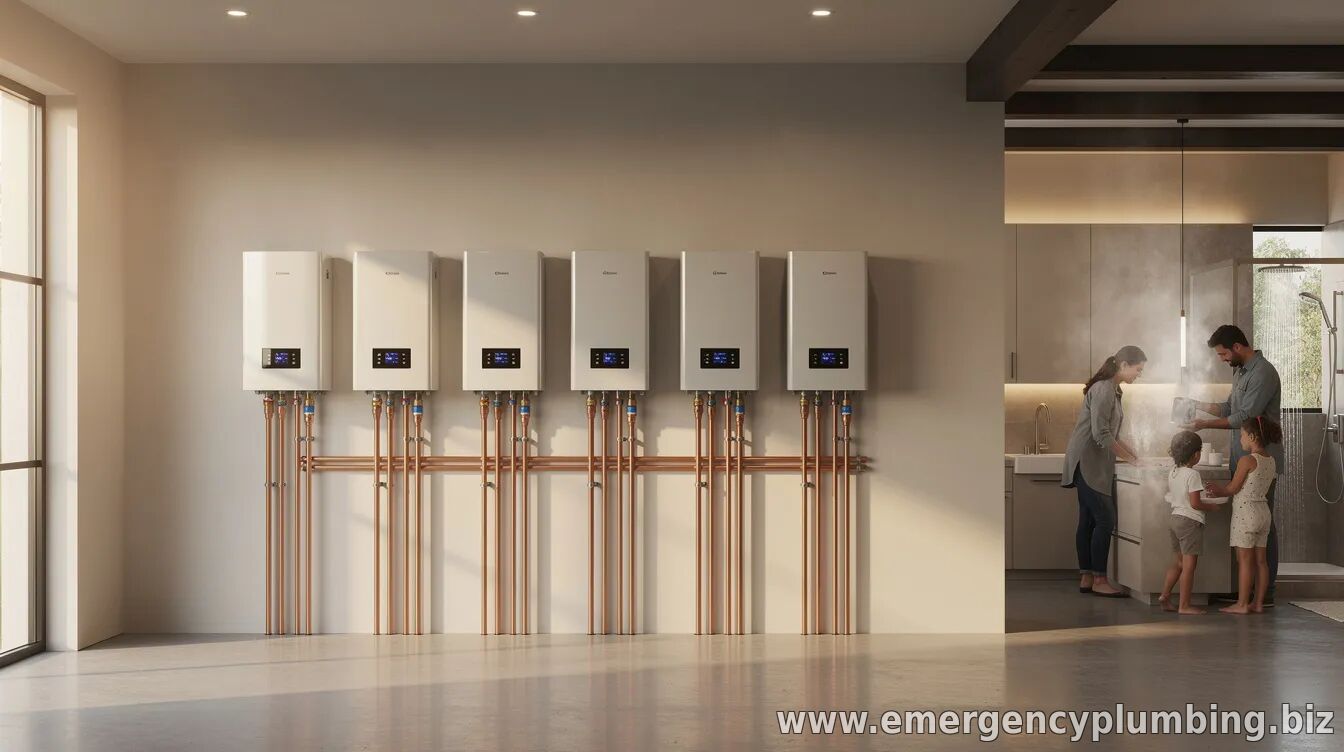
3) Installation options: For big homes, professionals commonly install either a single high-capacity tankless unit or a staged multi-unit system (parallel arrangement) to share load. Proper venting, gas supply or electrical capacity, and piping layout are crucial for performance and safety.
4) Energy efficiency and operating costs: Tankless systems typically reduce standby energy losses, which can lower bills over time. However, the savings depend on usage patterns. In homes with high hot-water demand, the upfront cost and potential need for a booster or recirculation loop should be weighed against long-term savings.
5) Maintenance and lifespan: Regular descaling in areas with hard water helps sustain performance. Large households should plan for annual maintenance to prevent scale buildup that can reduce flow and efficiency.
6) Alternatives and complements: In some cases, a hybrid approach—combining a tankless heater with a small storage tank or recirculation line—can ensure steady hot water at convenient temperatures without a large tank.
What to ask a installer
Ask about peak-demand calculations, recommended models for your climate, required venting or electrical upgrades, warranty coverage, and service plans. Getting multiple quotes helps compare equipment, installation complexity, and total cost of ownership.
Bottom line: Tankless water heaters can serve large households well when correctly sized and installed, but choosing the right configuration is essential. A qualified plumber or HVAC professional can help tailor a solution to your home’s hot-water profile and budget.
| |
⏰ Dispatcher support 24/7
📞 224-754-1984CALL ☎ Subscribe 👆 FORUM 🗣
North Shore, Northwest suburbs of Chicago, IL
Next & Previous posts
Related articles: