

REQUEST A QUOTE 📩

Submit the form, we'll contact you as soon as possible!


Name:
Email *:
Phone *:
Message *:
Select type of service *:
Your area *:
Add file (15 Mb MAX):
Security code *:

Emergency plumbing, plumber near me, service, HVAC, IL


12:59 PM

How long does a sump pump last? Lifespan, factors, and maintenance


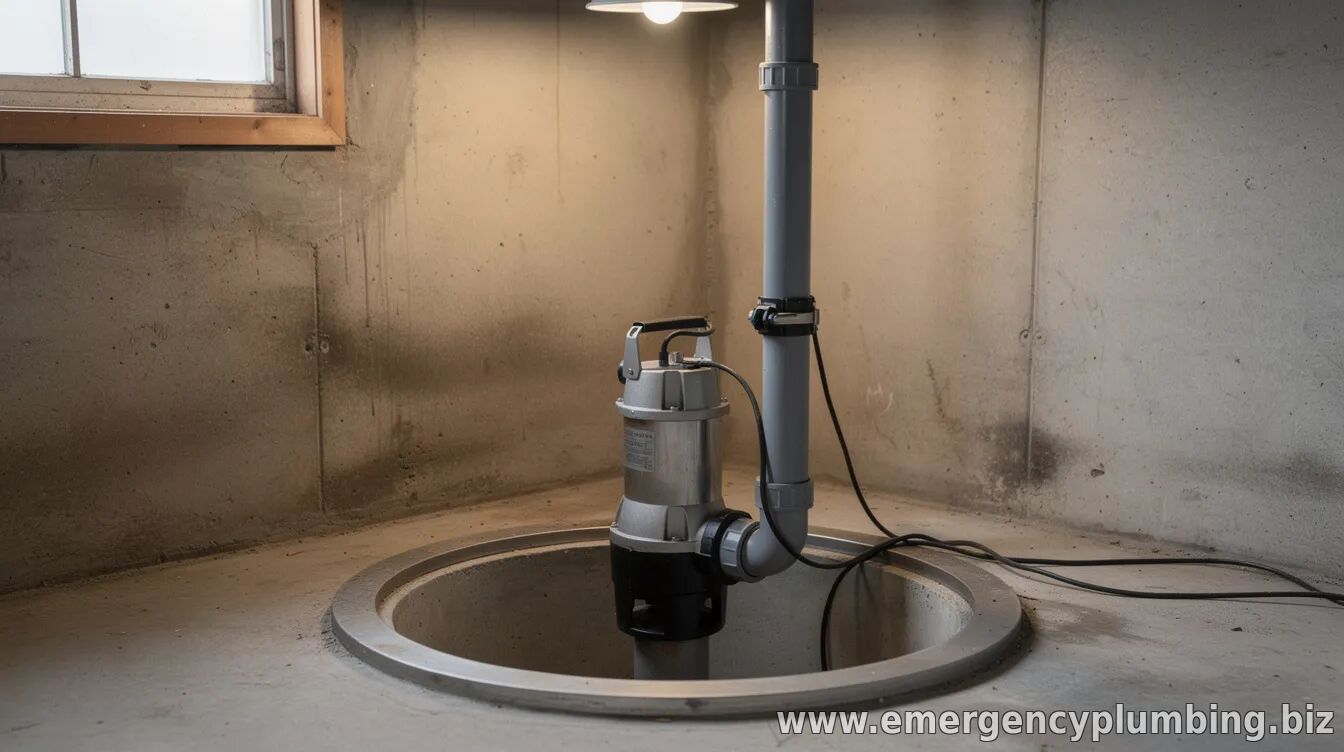
How long a sump pump lasts depends on several factors, including the type of pump, the environment, and how well it is maintained. The most common residential units fall into two categories: submersible pumps and pedestal pumps. Submersible models are generally designed to operate quietly underwater and tend to last around 8 to 10 years with proper care. Pedestal pumps, which sit above the sump with the motor exposed, may have a shorter lifespan in some setups, often 5 to 7 years, though this can vary based on use and maintenance.


What affects lifespan


Several elements influence how long a sump pump will run before needing replacement:

  • Quality and design: Higher-end units with cast iron or bronze components often resist corrosion and wear better than lower-cost plastic models.
  • Usage and water conditions: Frequent pumping in heavy rainfall or persistent groundwater increases wear on impellers and bearings.
  • Power interruptions and cycling: Repeated starts and stops can wear out the motor and float switch faster.
  • Maintenance: Regular cleaning of the intake screen, checking the discharge line, and testing the float mechanism extend life significantly.
  • Environment: A dirty sump basin, sediment buildup, or poor venting can shorten a pump’s life.


Signs it may be time to replace


If your pump shows frequent failures, makes unusual grinding or screeching noises, runs constantly, or fails to start after testing, consider replacement. A noticeable drop in pumping capacity or repeated need for professional repairs are also indicators that a new unit may be more cost-effective in the long term.


Maintenance tips to extend life


Proactive maintenance can push a sump pump toward the upper end of its expected life:

  • Test monthly: Pour water into the basin to verify the pump activates and shuts off correctly.
  • Clean the intake screen and impeller: Remove debris and mud that can impede performance.
  • Inspect the discharge line: Ensure it’s clear and not blocked or frozen, and that water flows away from the foundation.
  • Check the float and switch: Ensure the float moves freely without catching on rocks or debris.
  • Replace seals and bearings as recommended: Some models have service intervals; follow manufacturer guidelines.
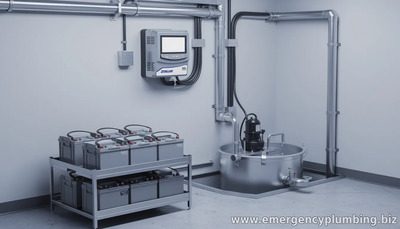
  • Consider a backup system: A battery backup pump or water-powered backup can reduce stress on the primary unit during heavy rains.


Bottom line: most residential sump pumps last about 5 to 10 years, with proper selection and maintenance potentially extending life toward the upper end of that range. If you’re in a damp area or have a history of basement flooding, investing in a reliable, well-maintained unit and a backup system is a prudent long-term choice.


Category: Plumber near me | 03/07/2026 | Views: 4 | Added: plumber | Tags: Sump pump, Home Improvement, Basement, Waterproofing, Maintenance | Rating: 5.0/1


⏰ Dispatcher support 24/7

📞 224-754-1984

CALL ☎ Subscribe 👆 FORUM 🗣

North Shore, Northwest suburbs of Chicago, IL


Did you like the post?
0 0


Next & Previous posts


Related articles:

Total comments: 0
avatar


REQUEST A QUOTE 📩

Name:
E-mail *:
Phone *:
Select type of service *:
Your area *:
Message *:
Add file (15 Mb MAX):
Security code *: