

1:29 AM Backflow Preventers Explained: When You Need One | |
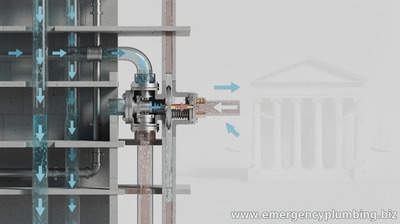
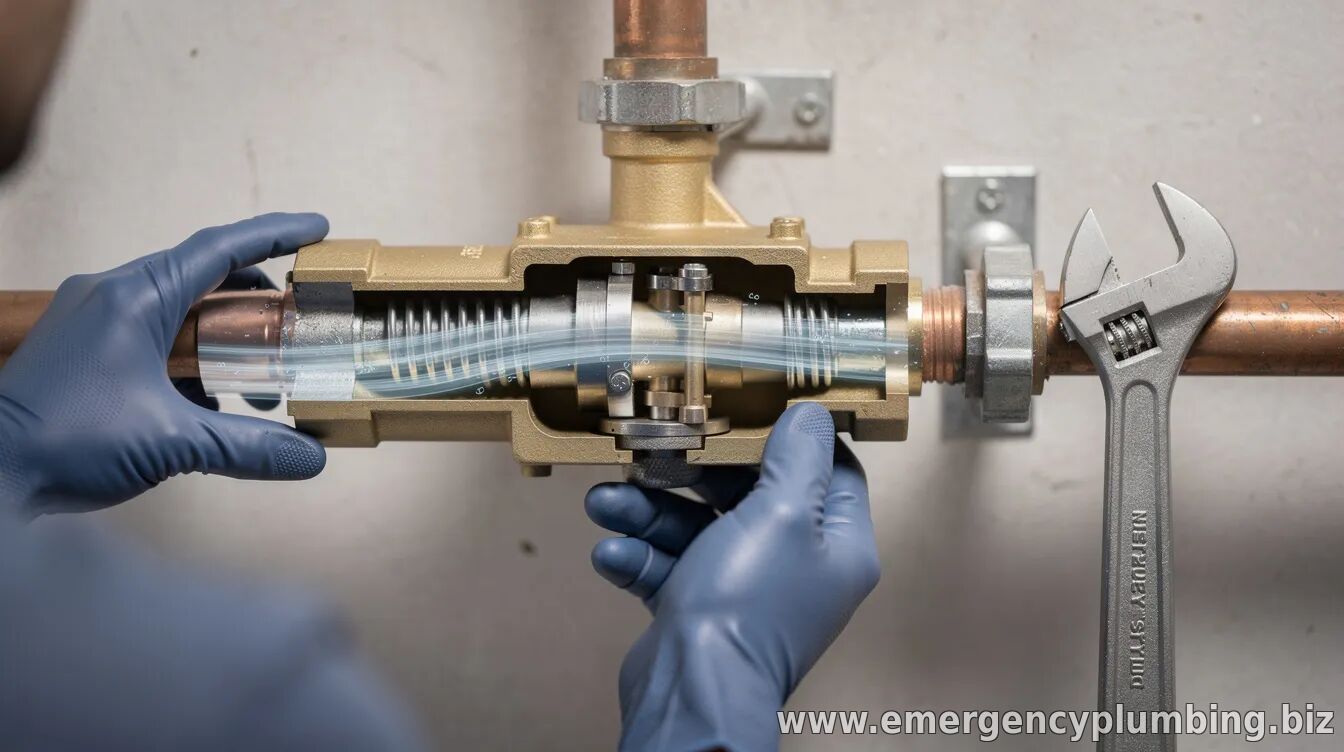
A backflow preventer is a plumbing device designed to stop backflow—the unwanted reversal of water flow that can pull contaminants into a building’s drinking-water lines. Instead of water moving normally from the supply into your home or facility, pressure changes can force water to flow in the opposite direction, creating a potential health risk.
Backflow can occur when there’s a drop in water pressure on the public side (for example, during a main break or heavy demand). If your plumbing has certain connections or risk sources, contaminants may be drawn backward through the system. What backflow preventers protect against
Backflow can move a wide range of substances into potable water systems, including chemicals used in irrigation, wastewater from drains connected to irrigation lines, or other contaminants associated with cross-connections. The goal of a preventer is to create a barrier so drinking water stays uncontaminated.
In many cases, the device is required not because your household is likely to contaminate the water, but because the plumbing layout creates a cross-connection risk that could become hazardous under certain pressure conditions. Do you need one? It depends on your setup and local code
Whether you need a backflow preventer typically comes down to your local regulations and whether your property contains connections that elevate risk. Common triggers include irrigation systems, fire sprinkler systems, pools, boilers, and any plumbing connected to chemical treatments or non-potable water sources.
Some homes may be subject to requirements if they have in-ground irrigation or other auxiliary water systems. Others may not, depending on how the system is installed and whether a qualifying assembly is already in place. How installers and code officials determine requirements
Water authorities and plumbing officials generally evaluate the hazard level and the type of backflow scenario most likely for your property. They may require a specific kind of backflow assembly, placement location, and documentation (such as testing and maintenance records).
Even if a preventer is installed, it often must be tested periodically by a qualified professional to ensure it continues to function correctly. A device that fails inspection may need repair or replacement. Common types and what they’re used for
Backflow preventers come in different configurations, such as assemblies intended for low-risk or high-risk conditions. The right type depends on factors like the potential contaminant and how severe the consequences could be if backflow occurs.
Because selection is code-driven, homeowners typically should not self-specify replacements. Instead, they should work with a licensed plumber or backflow tester who can match the assembly to local requirements.
If you’re unsure whether you need one, the fastest route is to contact your local water utility or review the plumbing requirements for your area. They can often explain whether backflow prevention is required for your service type, property use, or irrigation system—and what steps you’ll need to stay compliant.
| |
⏰ Dispatcher support 24/7
📞 224-754-1984CALL ☎ Subscribe 👆 FORUM 🗣
North Shore, Northwest suburbs of Chicago, IL
Next & Previous posts
Related articles: