

9:02 AM What Is Backflow Prevention—and Why the Law Requires It | |
Backflow prevention refers to measures designed to keep water from moving in the wrong direction—specifically, preventing contaminated or non-potable water from flowing back into a potable (drinking) water system.
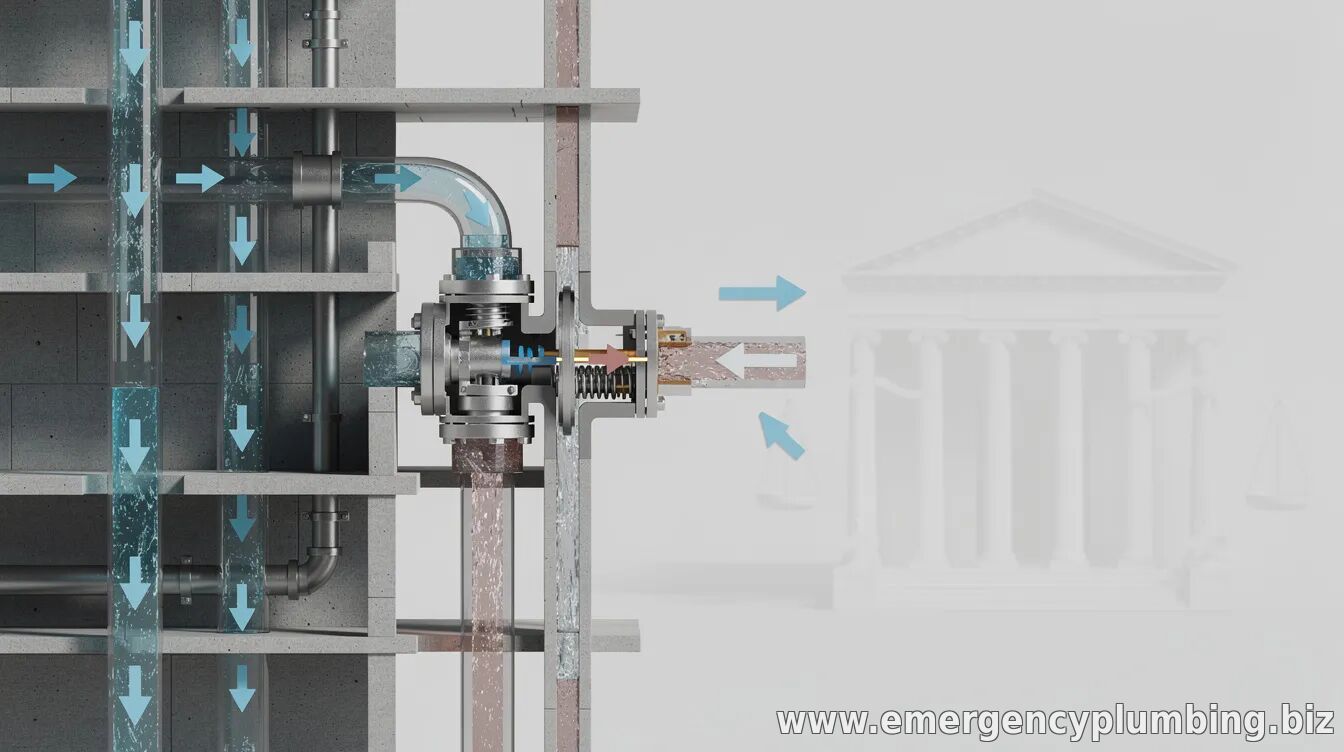
Under normal conditions, water moves from the utility’s mains into homes and businesses. But certain pressure changes can reverse that flow, creating a risk that pollutants could enter the drinking-water supply.
Backflow can occur during events such as firefighting, major water main breaks, or malfunctioning water pressure equipment. It may also be triggered by connected systems that carry chemicals, wastewater, or other materials—especially when those connections are not properly protected. Why backflow is a public health issue
If backflow happens, contaminants can be drawn into the potable water line. Depending on the source, that could include fertilizers, pool chemicals, boiler fluids, pesticides, or even sewage. The concern isn’t theoretical: backward flow can spread contamination quickly through plumbing before it’s noticed.
Backflow prevention therefore functions as a barrier—using approved devices and proper installation to reduce the likelihood that contaminated water reaches the drinking-water network. How backflow prevention works
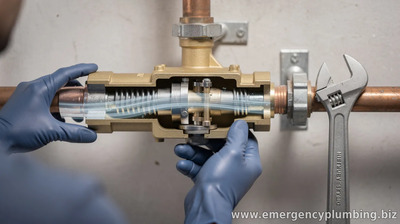
Many jurisdictions require specific backflow prevention assemblies for different exposure risks. Common device types include check valves and specialized backflow preventers that allow normal flow in one direction while blocking reverse flow.
Which device is required depends on factors such as the hazard level of the connected source, the setup of the plumbing, and local utility or code requirements. Proper installation and testing are also essential parts of an effective program. Why the law requires it
Backflow prevention is required by law because utilities and regulators have a duty to protect the public’s drinking water. Plumbing codes and water utility rules often mandate protection for connections that could introduce contaminants, even if those connections are used only intermittently.
Many systems are covered under local building codes and utility backflow regulations, which may require periodic testing, documentation, and corrective action if a device fails inspection. What owners typically need to do
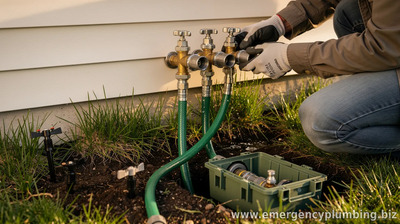
Homeowners and businesses may be responsible for installing and maintaining the required backflow preventers, particularly for certain irrigation systems, commercial equipment, and service lines with higher hazard risk.
In practice, that often means scheduling inspections and testing with qualified professionals, keeping records, and ensuring repairs are completed promptly if a device does not meet performance standards.
Because requirements vary by location and by the type of hazard, the most reliable next step is to check with the local water utility or municipal code office and confirm what protection and testing schedule applies to your property.
| |
⏰ Dispatcher support 24/7
📞 224-754-1984CALL ☎ Subscribe 👆 FORUM 🗣
North Shore, Northwest suburbs of Chicago, IL
Next & Previous posts
Related articles: