

11:34 PM How Often Should You Service Your Sump Pump? | |
Sump pumps are one of the few home systems that may sit idle for weeks or months—then suddenly need to perform flawlessly. That’s why establishing a service routine matters: it helps prevent clogs, failures, and water damage when you need the pump most.
While exact timelines vary by model and environment, a practical rule of thumb for many households is monthly testing plus seasonal maintenance. Below is a straightforward schedule you can adapt to your basement’s needs. Monthly: test the pump and check for warning signs
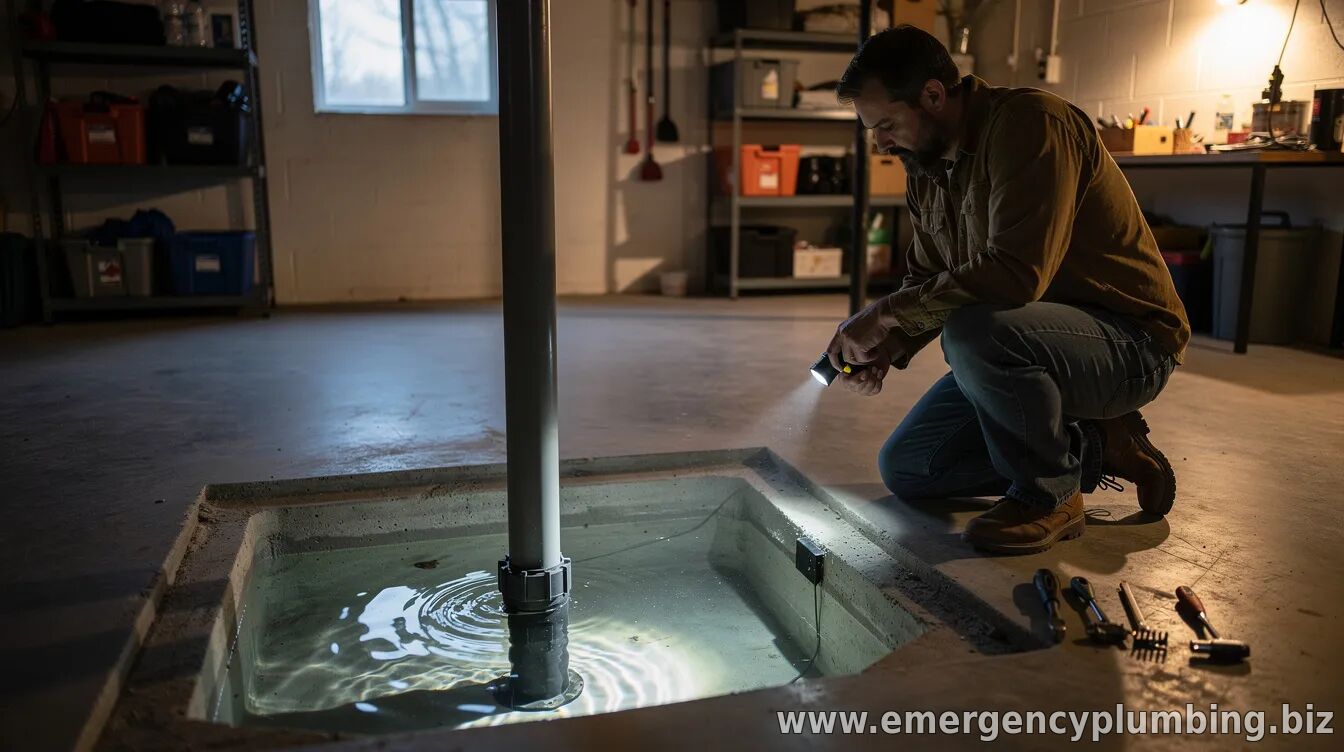
At least once a month, test your sump pump’s switch and operation. For pumps with a float switch, confirm the float moves freely and the pump turns on when water rises. If your unit includes a high-water alarm, verify it’s functioning as well.
During these checks, also look for early warning signs: unusual noises, frequent short cycling (turning on and off rapidly), visible debris around the pit, or water backing up rather than clearing. Every 3–4 months: inspect the pit and clear debris
If your sump pit collects leaves, silt, or other debris—common in homes with poor drainage, nearby landscaping, or heavy storms—consider a more frequent cleaning. Remove accumulated sediment and check the discharge line area for blockages or buildup that can restrict flow.
Do not disturb electrical components unnecessarily, but keep the pit area clean so the pump can reliably start and switch at the intended water level. 1–2 times per year: deeper maintenance
Plan more thorough maintenance at least once per year, ideally before your region’s wettest season. For many homes, doing it twice annually—once in spring and once in fall—offers extra protection.
Deep maintenance may include inspecting the check valve, confirming the discharge line is clear, and evaluating the power cord and connections for wear or corrosion. If your system uses a battery backup, test and inspect that backup according to the manufacturer’s instructions. When the pump runs often, service more frequently
How often the pump activates is a strong indicator of whether you need to tighten the schedule. If the pump runs repeatedly after moderate rain, performs frequent start-stop cycles, or runs for extended periods, it may be dealing with restricted discharge, a failing check valve, or increased water inflow from grading and drainage issues.
In those cases, consider increasing inspection frequency (for example, cleaning the pit more often and checking valves and discharge flow sooner) and, if problems persist, having the system evaluated by a qualified technician. Bottom line: a simple maintenance rhythm
A reliable sump pump maintenance plan usually looks like this: test monthly, keep the pit clear every few months as needed, and complete deeper servicing 1–2 times per year—plus any additional attention if the pump is cycling frequently.
Following the manufacturer’s guidance for your specific pump model is essential, especially for battery backups and sealed components. If you’re unsure where your system falls on the schedule or it has already shown warning signs, treating maintenance as an immediate priority can help avoid costly basement flooding.
| |
⏰ Dispatcher support 24/7
📞 224-754-1984CALL ☎ Subscribe 👆 FORUM 🗣
North Shore, Northwest suburbs of Chicago, IL
Next & Previous posts
Related articles: