
1:27 AM Combi-Boilers vs. Traditional Furnaces in Illinois | |
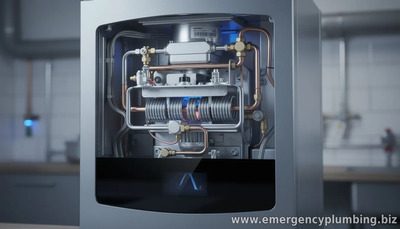
Illinois homes trying to cut heating costs often compare two paths: upgrading to a condensing combi-boiler (which provides space heat and domestic hot water in one unit) versus installing a more familiar traditional furnace paired with a separate water heater.
The headline trade-off is straightforward: furnaces can be effective, but they frequently waste some energy through flue gas heat. Condensing combi-boilers are designed to capture more of that heat—turning it into useful warming and hot water—especially when conditions allow the system to run at efficient temperatures. How efficiency is measured (and why it matters)
“Efficiency” isn’t a single number across all setups. Furnaces typically earn high ratings through steady performance under specific test conditions. In contrast, condensing boilers are rated based on how much heat they recover when the flue gases cool enough to condense water vapor.
That difference can create real savings in Illinois climates, where heating demand is significant and weather swings are common. But condensing performance depends on operating conditions—particularly the temperature of the water returning to the boiler and whether the system is designed for lower-temperature heating. Where combi-boilers can outperform furnaces
A condensing combi-boiler can reduce energy use in three main ways:
For households that use hot water heavily—such as families, multi-occupant homes, or properties with higher simultaneous demand—the combi approach can also simplify energy management by matching hot-water production to real usage. When a traditional furnace may still win
Condensing combi-boilers are not automatically cheaper in every home. A traditional furnace paired with an appropriately efficient water heater (and good ductwork) can be competitive when:
In some cases, getting a combi-boiler to reach its best performance may require changes beyond swapping the unit—such as adjusting heat emitters, adding controls, or improving system water flow. Illinois-specific factors that affect savings
Illinois homeowners experience long heating seasons and frequent cold snaps, but the magnitude of savings depends on the home’s envelope and distribution:
Home efficiency comes first. Air sealing, insulation upgrades, and window improvements can lower total heating demand—making any heating system save more. Condensing systems generally benefit most when the home needs steady, moderate heating rather than repeated bursts.
Emissions and fuel type matter. Savings may look different depending on whether your current furnace runs on natural gas, propane, or electricity (for example, via heat pumps). Combis are typically discussed in the context of gas-fired condensing boilers, where recovered heat can directly translate into lower gas consumption.
Weatherization and control strategy drive performance. Outdoor reset, zone controls, and correct plumbing design help maintain return-water temperatures that support condensation. Real savings: what to expect (the practical way to estimate)
Because every home is different, the most reliable approach is to compare measured fuel use and likely seasonal efficiency—not just equipment specs. A credible estimate typically requires:
When a combi-boiler is correctly sized and integrated with lower-temperature heating, many Illinois households can see noticeable reductions in heating fuel use. When retrofitted into a system that forces higher temperatures or introduces operational problems (like short cycling), savings can shrink. What to ask installers before choosing
To avoid paying for “efficiency on paper” that doesn’t translate into your actual utility bill, ask contractors to address performance conditions—not just equipment cost:
Illinois homes that get these details right tend to capture more of the condensing benefit. The bottom line
A condensing combi-boiler can deliver real energy savings in Illinois, particularly when the home is well-matched to lower-temperature heat delivery and when hot-water demand makes the “single efficient system” advantage meaningful. A traditional furnace can remain a strong choice when the existing heating distribution is optimized, the upgrade is well designed, and overall efficiency gains come from both the equipment and the building.
If you’re deciding between them, prioritize a system-level evaluation—heat loss, controls, plumbing or duct design, and commissioning—because that’s what turns efficiency ratings into dollars saved.
| |
⏰ Dispatcher support 24/7
📞 224-754-1984CALL ☎ Subscribe 👆 FORUM 🗣
North Shore, Northwest suburbs of Chicago, IL
Next & Previous posts
Related articles: