

0:33 AM Spring Lawn & Irrigation Startup: First Checks for Hose Bibs | |
Spring is the season when lawns wake up—and irrigation systems must follow. Before you turn on the water, take a methodical pass at hose bibs and spigots (the manual faucets that feed hoses and often your irrigation setup) to prevent leaks, water hammer, and avoidable damage.
Many irrigation problems blamed on “old pipes” are actually caused by something simple left from winter: a hose bib that seized in place, a valve with a worn washer, or a line that drained incorrectly. Starting with these fundamentals saves time later when zones won’t pressurize or sprinklers won’t pop up. 1) Check hose bibs and spigots for leaks and proper operation
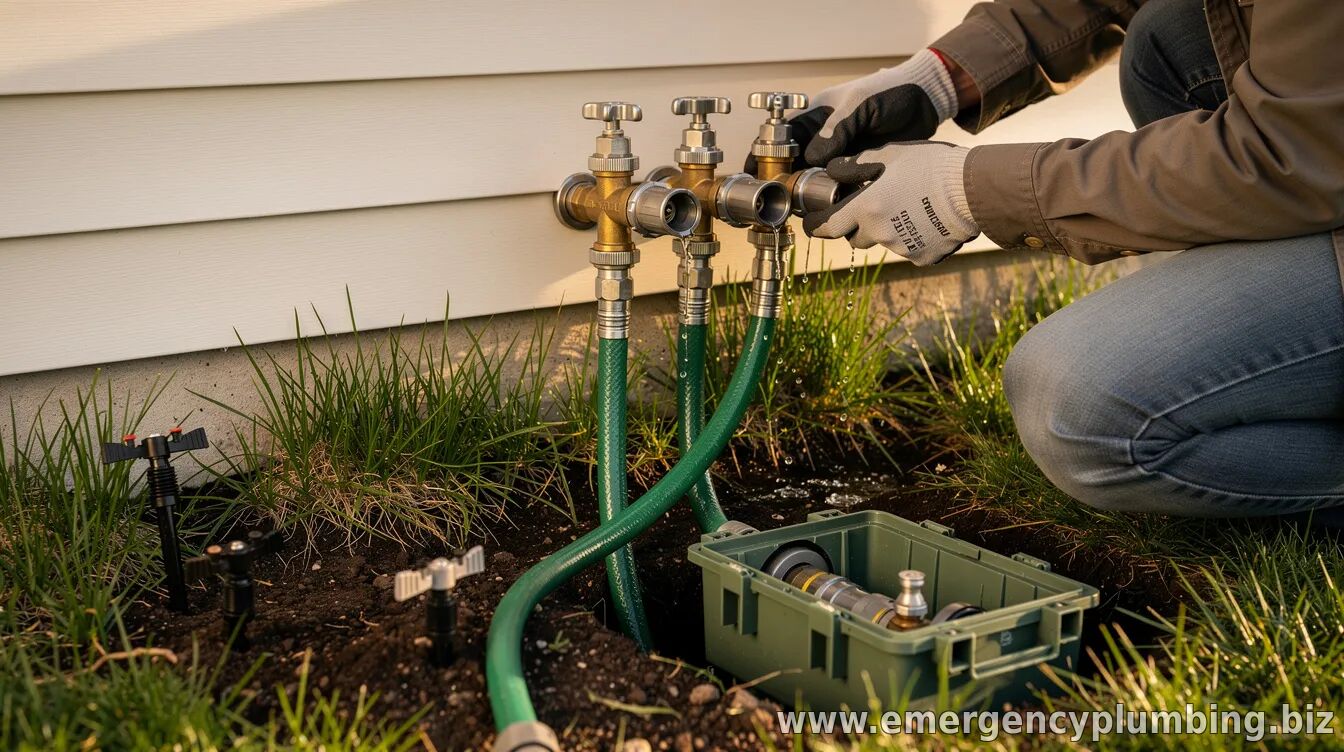
Begin at the outdoor faucets. Look for moisture around the base, dampness behind the hose connection, or mineral buildup that suggests a slow leak. Then open each spigot slightly, pause, and close it again to confirm smooth movement and stable sealing.
If a hose bib won’t turn freely, don’t force it—gentle movement is safer. Tighten hose connections if needed, and replace washers or cartridges only if you see persistent dripping after the valve is fully closed. 2) Verify valves, backflow protection, and shutoffs are set correctly
Most compliant irrigation setups include shutoff valves and backflow prevention. Confirm that any shutoff used for winterization is fully open (or returned to its operating position) and that the backflow device is correctly installed with no obvious cracks, corrosion, or loose fittings.
If your system includes an irrigation backflow preventer with an isolation relief port or test ports, follow the device manufacturer’s guidance. The goal is straightforward: restore flow to the irrigation lines without bypassing the protection that keeps the system safe. 3) Restore pressure gradually and watch for “water hammer”
After winter, it’s smart to reintroduce water carefully. Turn valves back on slowly—especially if you’ve seen bangs or jolts in the past. Rapid pressure changes can dislodge debris, stress fittings, or trigger water hammer.
Once the water is on, observe nearby components: connection points, visible tubing, and any sprinkler headers. Early signs of trouble—spraying, sputtering, or unexpected damp spots—are much easier to fix at the start than after the system runs through multiple cycles. 4) Run a brief “flush” and test zones one by one
Before committing to full scheduling, run each irrigation zone briefly. This helps clear sediment that can collect during freezing and thawing cycles, as well as any debris that made it past the winterization steps.
As each zone runs, confirm sprinkler heads pop up properly, spray patterns look even, and there’s no water pooling in unexpected places. If one zone behaves differently—weak pressure, uneven coverage, or a stalled head—mark it and troubleshoot that circuit before continuing.
For homeowners setting up a new or spring-start irrigation routine, this zone-by-zone approach also helps map what “normal” looks like. Once you know which parts are behaving consistently, future startup becomes faster and more predictable. 5) Confirm drainage and sprinkler alignment before full watering
Spring often reveals what winter hid. Check that sprinkler heads are at the correct height and not obstructed by mulch that shifted over the season. Look for signs of sinking or misalignment, particularly around edges of the lawn where freeze-thaw can move soil.
If your yard includes low spots, confirm that those areas drain as expected. Persistent puddling can indicate clogged heads, improper slope, or a need to adjust spray arcs so water lands where roots actually need it.
When you’re ready to expand into full watering schedules, adjust run times based on current conditions and follow any local guidance for irrigation during spring. Systems typically need fine-tuning—especially after winter shutdowns—so treat the first couple of weeks as a calibration period rather than a one-and-done activation.
By starting with hose bibs, spigots, and the basics of flow restoration, you reduce the odds of leaks and improve sprinkler performance from day one. With a careful startup, your irrigation system is more likely to deliver consistent coverage all season long.
| |
⏰ Dispatcher support 24/7
📞 224-754-1984CALL ☎ Subscribe 👆 FORUM 🗣
North Shore, Northwest suburbs of Chicago, IL
Next & Previous posts
Related articles: