
3:42 AM Constantly Running Toilet: DIY Fixes vs. Plumber | |
A constantly running toilet is more than an annoying sound—it can waste hundreds of gallons of water and quietly raise utility bills. The good news: many causes are common, predictable, and often fixable with basic tools. The key is knowing what to try first, how to verify the result, and when the problem is likely beyond a DIY repair.
In most cases, the source of the continuous flow is inside the tank. When water keeps refilling or dribbling into the bowl, it typically points to a worn or misaligned component, a dirty sealing surface, or an improperly adjusted water level. Less often, the issue originates from the supply line, pressure fluctuations, or a damaged tank-to-bowl seal. Common DIY checks you can do first
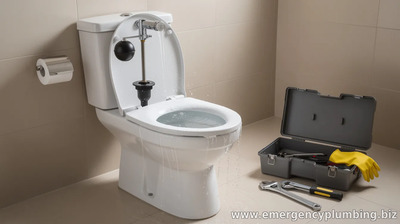
Start with the simplest observations before replacing parts. Remove the tank lid and watch the water cycle. If the tank refills constantly or the water level in the tank rises above the manufacturer’s marked line, you may be dealing with a fill valve or float adjustment problem. If the flapper (the rubber seal at the bottom of the tank) looks warped, cracked, or sits unevenly, the tank may keep leaking into the bowl.
Next, confirm whether water is leaking by adding a few drops of food coloring to the tank (or using a tank dye test). If color appears in the bowl after a short wait, you likely have a flapper or seal issue. If the toilet runs only intermittently, watch for pressure-related behavior or a fill valve that doesn’t shut off reliably. DIY fixes: flapper, fill valve, and water level
Replace or re-seat the flapper: Many “ghost flushing” cases are resolved by cleaning the flapper and ensuring it closes fully. If the rubber is hardened or warped, replacement is usually straightforward. After installing, test by listening for refill and checking whether the bowl stays clear.
Adjust the float or fill valve: If the water level is set too high, it can run into the overflow tube and keep the toilet cycling. Adjusting the float mechanism or fill valve height to the recommended water line often stops the continuous flow. If the fill valve is sticky, corroded, or doesn’t respond to adjustments, replacement may be the better option.
Inspect the overflow tube and connections: Make sure the float and fill components move freely and that nothing is obstructing the overflow path. Also check for signs of mineral buildup or debris that can prevent seals from closing tightly. When to call a plumber instead
DIY repairs are most effective for tank-level problems where parts are accessible and replacements are inexpensive. However, persistent or recurring running after component replacement can indicate a deeper issue, such as a worn tank-to-bowl gasket, a damaged flush valve, supply line problems, or a plumbing-related pressure/venting concern.
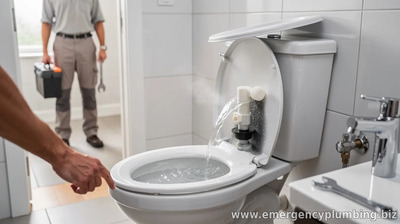
Consider calling a plumber if you notice any of the following: the toilet continues running after you replace the flapper and adjust the water level; you find cracks in the tank or bowl; the water level repeatedly rises and falls in a way adjustments can’t correct; you suspect supply line leaks or recurring water hammer/pressure instability; or you’ve already replaced multiple parts without success. These scenarios often justify professional diagnosis to avoid repeated trial-and-error spending. Cost and time: what usually matters
DIY typically involves low-cost parts (like a flapper or fill valve) plus basic tools. The real time saver is accurate diagnosis—watching the tank cycle, checking for dye leakage, and verifying the water level. If the problem is intermittent or returns quickly after a repair, the “cheapest” choice can shift toward professional service, especially when multiple components appear to be failing at once.
Whether you fix it yourself or hire a plumber, the most important step is to confirm the repair worked. Listen for the refill behavior, re-check the bowl after waiting, and ensure the tank water level settles at the proper mark.
If you’re dealing with a constantly running toilet, start with the tank: inspect the flapper, verify water level, and test for bowl leakage. If the issue persists after common adjustments or replacements—or if there are signs of damage or complicated supply/pressure behavior—calling a plumber can prevent wasted water and repeat repairs.
| |
⏰ Dispatcher support 24/7
📞 224-754-1984CALL ☎ Subscribe 👆 FORUM 🗣
North Shore, Northwest suburbs of Chicago, IL
Next & Previous posts
Related articles: