

2:30 AM How to Clean Your Kitchen Faucet Screen Effectively | |
A kitchen faucet screen (often called an aerator screen) can collect mineral deposits, sediment, and debris over time. When it does, you may notice weaker water pressure, a sputtering stream, or inconsistent flow from the spout.
Cleaning the screen is usually straightforward and can improve performance without replacing parts. The key is identifying the screen type, soaking away mineral buildup, and reassembling everything correctly. What you’ll need
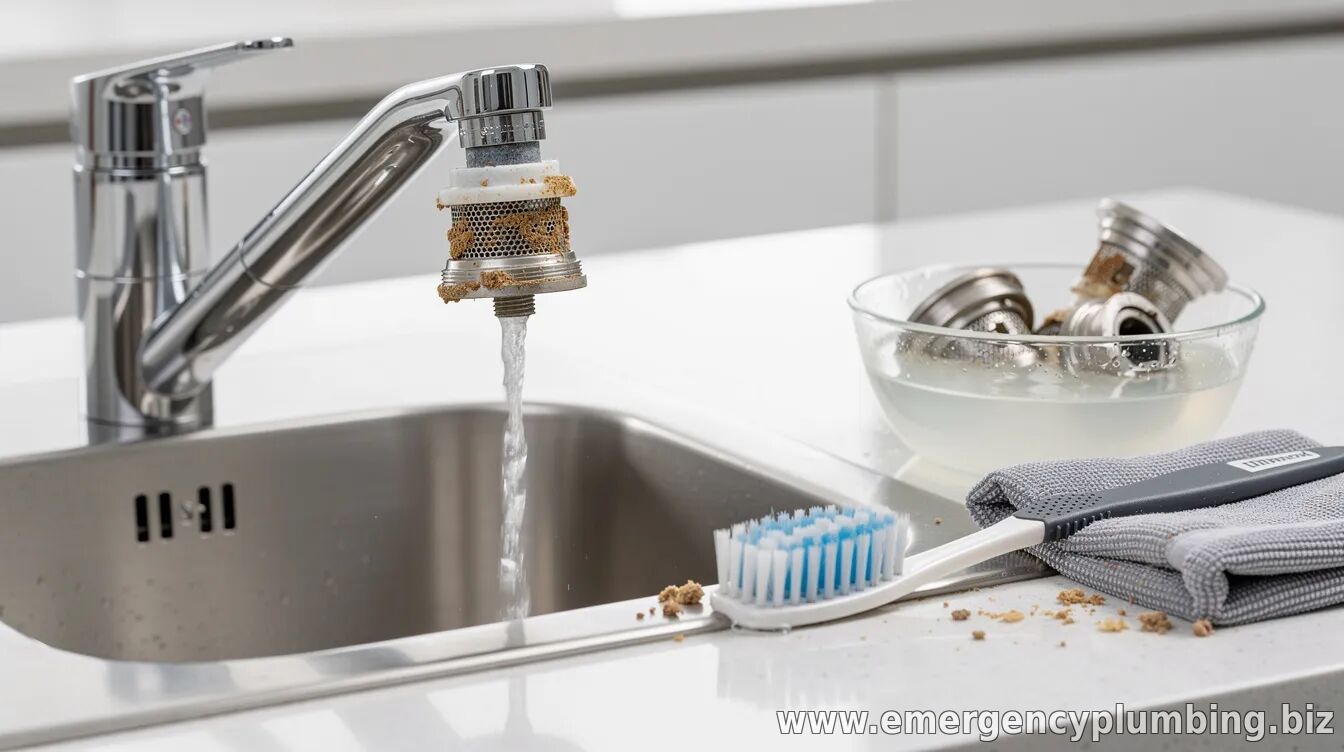
You typically only need a few basic items: an adjustable wrench or pliers (optionally), a soft toothbrush or small cleaning brush, white vinegar, a bowl or cup for soaking, and a microfiber cloth. For stubborn buildup, a non-scratch brush and gentle descaling method are helpful. Step-by-step cleaning
1) Remove the aerator/screen carefully. Wrap the faucet aerator with a cloth to prevent scratches, then use a wrench or pliers gently if it’s stuck. Turn counterclockwise to loosen in most models.
2) Disassemble if possible. Many aerators come apart into the screen and small rubber gaskets or internal parts. Take a quick photo before removing pieces so you can reassemble them in the same order.
3) Rinse and scrub. Rinse the screen with warm water. Use a toothbrush to loosen sediment from mesh openings and edges. Avoid aggressive tools that could deform the screen.
4) Descale with vinegar (if needed). If you see hard mineral scale or cloudy deposits, soak the screen and parts in white vinegar for 30 minutes to a few hours. Check periodically; when buildup loosens, remove and rinse thoroughly.
5) Clear the flow paths. Gently clean any internal pathways and small holes you can access. Ensure the mesh openings are open and not blocked by remaining particles.
6) Reassemble and test. Place parts back in the correct order, making sure any rubber gaskets sit flat and are not twisted. Tighten the aerator snugly (don’t overtighten), then run water to confirm smooth, steady flow. When to repeat—and when to call for help
For homes with hard water, cleaning every 1–3 months can prevent major buildup. If flow issues persist after cleaning, the problem could be deeper in the faucet plumbing (such as cartridge blockages) rather than just the screen.
If you notice persistent leaks around the aerator, broken plastic threads, or a damaged gasket, replacing worn parts may be necessary. For complex faucet designs or if removal is difficult without risking damage, consider contacting a plumber or using the manufacturer’s service guidance.
Keeping the faucet screen clean helps maintain consistent water pressure, improves spray quality, and reduces the chance of sediment-caused clogging elsewhere in your kitchen plumbing.
| |
⏰ Dispatcher support 24/7
📞 224-754-1984CALL ☎ Subscribe 👆 FORUM 🗣
North Shore, Northwest suburbs of Chicago, IL
Next & Previous posts
Related articles: