

2:16 AM Ductless Mini-Split vs Central AC for Older Homes | |
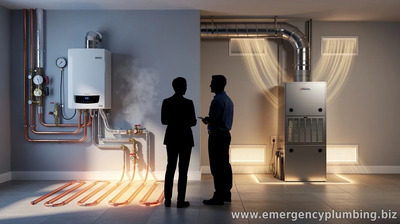
Ductless mini-splits and central air both cool homes, but older properties can make the “best” choice look very different. Homes built before modern insulation standards, with leaky ducts—or without ducts at all—often benefit from systems designed for room-by-room comfort.
Below, we compare the two options with an older-home lens: retrofit feasibility, efficiency, comfort, and the tradeoffs homeowners typically weigh before signing a contract. 1) Retrofit reality: ducts (or the lack of them)
Central AC relies on ductwork to move conditioned air throughout the house. In older homes, ducts may be undersized, poorly sealed, routed through unconditioned spaces, or simply not present in the way a new system would need. Fixing or replacing ducts can quickly erase the “lower system price” gap.
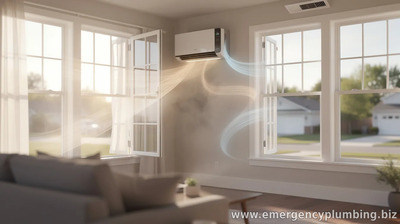
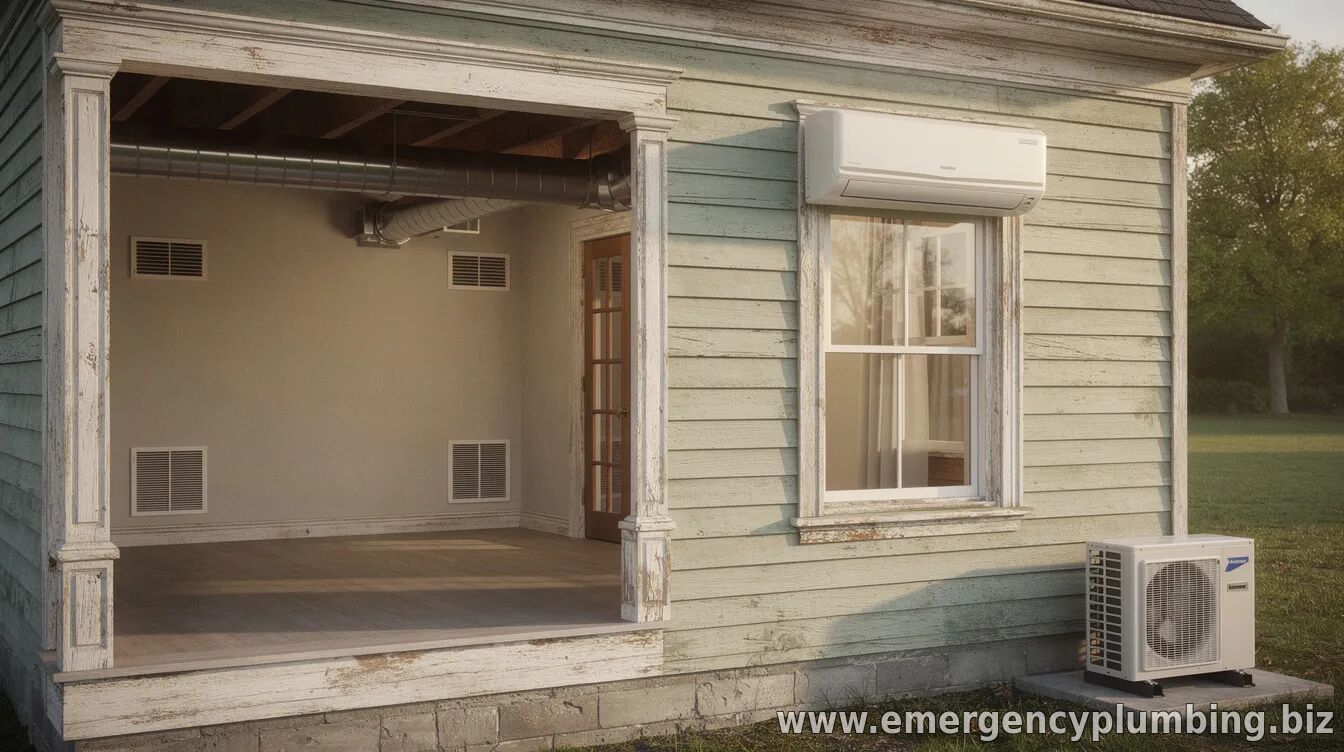
Ductless mini-splits avoid most of that. They use an outdoor unit connected to one indoor air handler per zone, with small lines run through exterior walls (or via existing routes where possible). For older homes with awkward layouts or limited space for duct runs, this can be the smoother path. 2) Comfort control: zoning and uneven cooling
Older homes often have rooms that heat up faster—top-floor bedrooms, sun-facing living areas, additions, and spaces over garages. Central AC can cool the entire system, but comfort can be uneven if airflow is limited by duct design or register placement.
Mini-splits typically shine here because they deliver targeted cooling to specific zones. If you need to cool certain areas during the day and other rooms at night, multi-zone ductless systems can provide more consistent comfort without cooling the entire house at full output.
That said, central AC can still work well in older homes if the ducts are in good condition and the system is properly sized. The key variable is the duct performance and the overall building envelope, not just the cooling equipment. 3) Efficiency and operating costs in real conditions
Both technologies can be efficient, but the winner often depends on how the home actually runs. Central systems may lose energy when ducts leak or when conditioned air travels through hot/cold crawlspaces and attics. Those losses show up on utility bills even if the thermostat is set correctly.
Ductless mini-splits are engineered for efficiency in part-load conditions and zoning. Many models use variable-speed technology, allowing them to ramp output to match demand rather than cycling on and off as aggressively. In homes where occupancy patterns vary by room, this can improve comfort per dollar.
However, older homes with major air leaks or weak insulation may still require envelope improvements for the biggest savings—regardless of which HVAC system you choose. 4) Installation cost and disruption: what homeowners should expect
Central AC retrofits can be straightforward when ducts already exist and are reasonably sealed. But when ductwork is aging, poorly routed, or missing, the “total installed cost” can rise—sometimes meaningfully—after duct repairs, additions, or replacements are accounted for.
Ductless installation usually involves more visible indoor units (and their wall penetrations), but less invasive duct construction. For many older homes, the disruption is mainly localized rather than whole-system.
In terms of long-term value, homeowners should compare the full project scope: electrical upgrades, condensate drainage needs, any structural considerations for mounting indoor units, and whether additional zones will be added later. 5) Resilience and future flexibility
Ductless mini-splits offer flexibility because you can add zones over time. If you finish a basement, convert an attic, or remodel a portion of the home, it may be simpler to expand cooling comfort room-by-room.
Central AC tends to be more “whole-house” in its expansion options, though upgrades (like better filtration or controls) are often easier to standardize across one system.
If your older home has clearly defined comfort needs—specific rooms that are consistently too hot or too cold—zoned ductless planning can make the system feel like it “grows” with your house.
Bottom line: For many older homes, ductless mini-splits are the better fit when ductwork is inadequate, comfort is uneven, and you want room-by-room control without major duct renovations. Central AC can be a strong choice when ducts are already effective and the home’s insulation/air sealing are in decent shape.
The practical recommendation for homeowners is to evaluate cooling loads and duct performance (if present) and to prioritize air sealing and insulation upgrades when they’re needed—because the envelope largely determines how hard any air conditioner must work.
| |
⏰ Dispatcher support 24/7
📞 224-754-1984CALL ☎ Subscribe 👆 FORUM 🗣
North Shore, Northwest suburbs of Chicago, IL
Next & Previous posts
Related articles: