
0:16 AM Energy Recovery Ventilators: Why Illinois Homes Need Fresh Air | |
Illinois households face a recurring tradeoff: bring in enough outdoor air for health and comfort, or keep heating and cooling costs under control. In many homes, that balance is difficult to maintain with traditional ventilation approaches—particularly when windows are closed for much of the year.
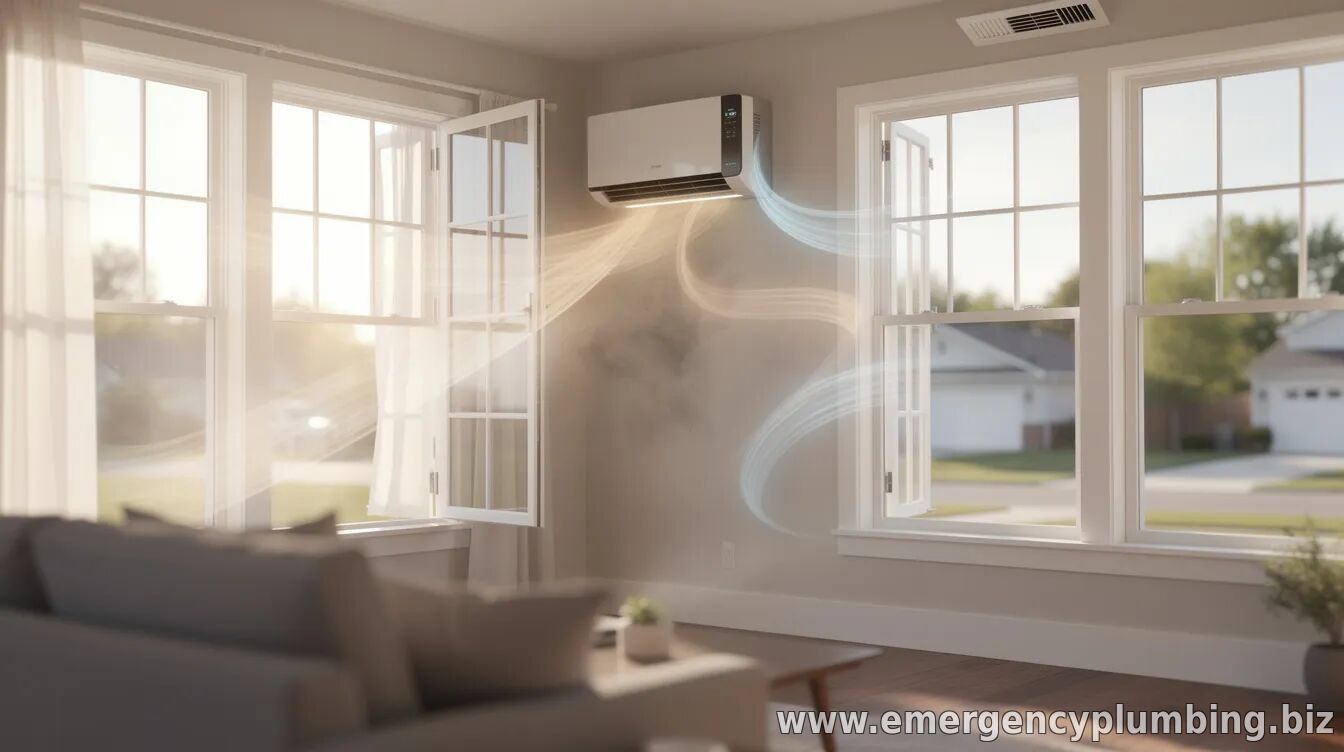
Energy Recovery Ventilators (ERVs) offer an alternative. By moving stale indoor air out and drawing fresh outdoor air in, ERVs can improve ventilation without wasting as much conditioned energy. The result is steadier indoor air quality alongside better efficiency. Fresh air matters—especially when winters tighten homes
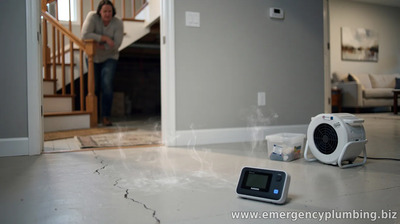
During long heating seasons in Illinois, indoor spaces often become sealed to reduce drafts and energy loss. While that can help comfort, it can also reduce the exchange of air that removes moisture, odors, and pollutants. Poor ventilation can contribute to problems such as lingering cooking smells, excess humidity, and higher concentrations of indoor contaminants from sources like cleaning products and building materials.
Many homes rely on mechanical exhaust fans or passive leakage for fresh air. Those methods can be inconsistent: intake may be insufficient during extreme temperatures, or ventilation rates can drop when outdoor pressure patterns shift. How an ERV works in plain terms
An ERV is designed to transfer heat—and, depending on design, moisture—to the incoming air stream. As air flows through the unit, the outgoing stale air warms the fresh incoming air in winter, and helps cool it in summer. This energy exchange reduces the cost of conditioning ventilation air.
Where an ERV differs from a simpler ventilation fan is its ability to manage humidity transfer in addition to temperature. In Illinois’s climate, where both winter dryness and summer humidity can be challenging, that moisture-aware exchange can support more stable indoor comfort. Potential benefits for homeowners
Homeowners considering ventilation upgrades often look for improvements that go beyond just “more air.” ERVs can help address several common concerns:
Choosing the right system for Illinois homes
Not every ERV installation is equal. Performance depends on sizing, duct design, airflow balancing, and whether the unit matches the home’s heating and cooling configuration. A properly designed system helps ensure that ventilation air reaches the right areas without creating drafts or over-ventilating.
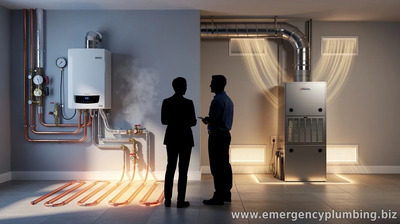
Because ductwork and indoor pressure conditions strongly affect airflow, many experts recommend evaluation by qualified HVAC professionals. That process often includes reviewing the home’s layout, existing ventilation equipment (such as bathroom or kitchen exhaust), and comfort goals. What to expect after installation
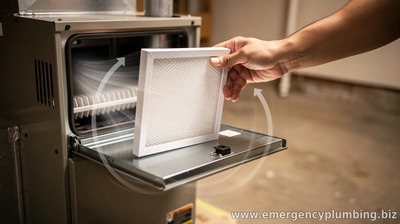
Once an ERV is operating, homeowners typically notice a more consistent “fresh air” feel—without needing to open windows. Maintenance remains important: filters need periodic replacement, and the core (heat- and moisture-exchange surfaces) may require cleaning depending on manufacturer guidance and local conditions.
Many systems also include controls that adjust ventilation based on occupancy or outdoor conditions. Those settings can be tuned to align with comfort, energy targets, and indoor air quality goals. Next steps for homeowners
For Illinois residents weighing ventilation improvements, an ERV can be a strategic option—especially when the home is tight, occupants experience stale-air complaints, or humidity issues persist. The most important first step is to assess ventilation needs and verify that an ERV would be correctly sized and installed for the property.
As indoor comfort expectations rise and efficiency becomes a bigger priority, ERVs are increasingly viewed not as a luxury, but as a practical way to bring fresh air indoors—year-round—while limiting energy waste.
| |
⏰ Dispatcher support 24/7
📞 224-754-1984CALL ☎ Subscribe 👆 FORUM 🗣
North Shore, Northwest suburbs of Chicago, IL
Next & Previous posts
Related articles: