

3:37 AM UV Air Purifiers for HVAC: Do They Actually Work? | |
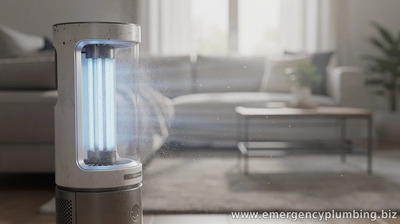
UV air purifiers—especially systems using UV-C light—are often marketed as a high-impact way to improve indoor air quality in HVAC setups. The short answer is that they can work, but “do they actually work?” depends on how the device is designed, where the UV light is placed, and whether it provides enough UV dose to the air or surfaces it’s intended to treat.
Unlike filters that physically trap particles, UV-C in HVAC applications works by damaging the genetic material of microorganisms (like bacteria and viruses) so they can’t reproduce. However, that effect is not automatic: it requires sufficient UV intensity, the right exposure time, and appropriate airflow paths that bring air close to the UV source. What UV in HVAC systems is (and isn’t) doing
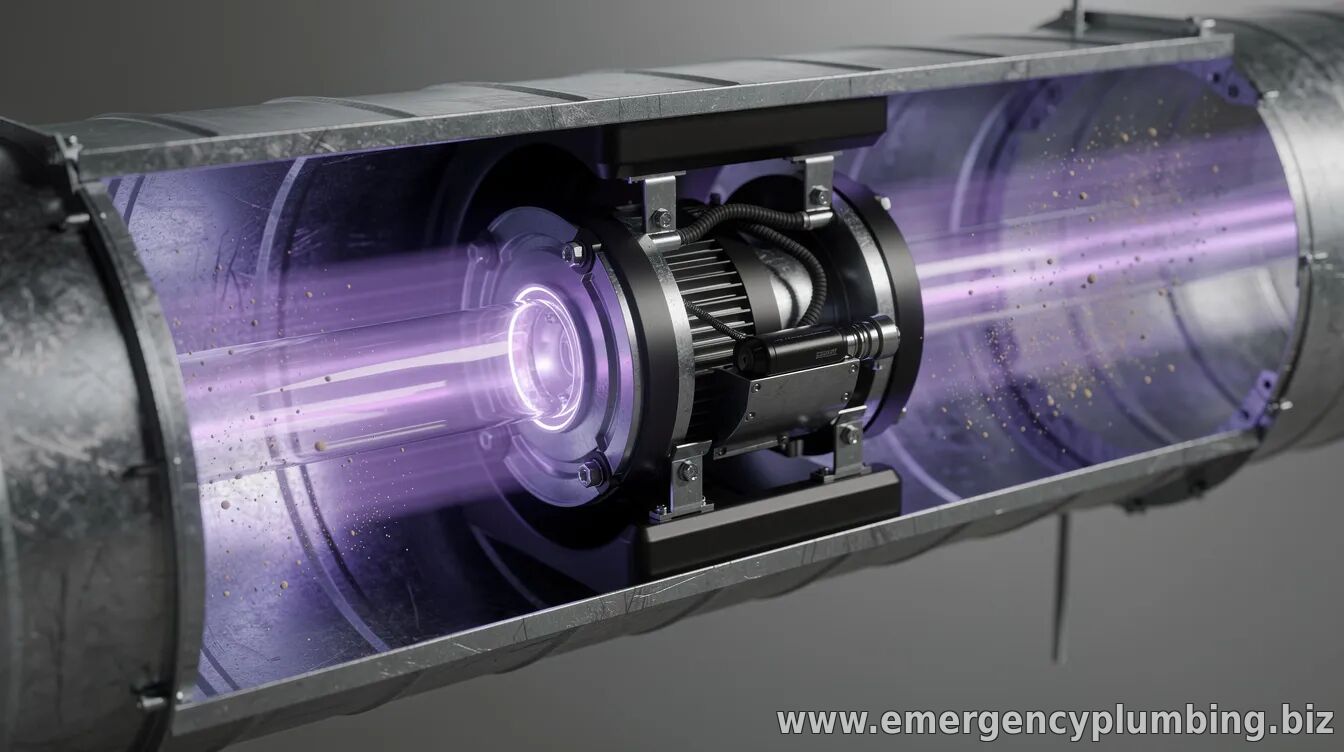
In many HVAC installations, UV-C is installed in one of two places: inside air handlers near evaporator coils, or in upper-room/duct environments depending on the design. In either case, the goal is usually to reduce contamination on cooling coils, drain pans, and nearby internal surfaces—or to inactivate microorganisms in the moving air as it passes through the UV-lit zone.
UV systems generally do not replace particle filtration. For dust, smoke, and many allergens, a properly sized filter (and good HVAC maintenance) remains the primary control. UV can complement filtration by targeting microbes, but it’s typically not the full solution for all indoor air contaminants. Why performance varies so much
A UV device’s effectiveness is often limited by practical constraints. Air moves through HVAC systems at different speeds, and many units are designed so air passes the UV lamps quickly. If the airflow is too fast, the microorganisms may not receive the UV “dose” needed for reliable inactivation.
Installation geometry matters as well. UV intensity drops with distance and is affected by reflections, lamp aging, and whether surfaces are kept clean. Dust accumulation on lamp sleeves or on nearby reflectors can reduce output, sometimes significantly. That’s why routine maintenance—lamp replacement on a schedule and periodic cleaning—often determines whether a system performs as advertised. Safety and exposure: a key requirement
UV-C can be harmful to eyes and skin if it escapes into occupied spaces. Credible HVAC UV products are designed with shielding and interlocks where appropriate, and they should be installed by qualified professionals who understand local code requirements and safe exposure practices.
Even when a system is enclosed in ducts or a UV chamber, buyers should look for clear documentation on safety features, output ratings, and installation conditions. Without that, the system may provide less benefit than expected while adding risk if UV is not contained. Realistic expectations for “clean air”
Most public-facing claims focus on germ reduction, not on overall air quality. When UV is applied to HVAC coils and drain pans, it can help slow microbial buildup that contributes to odors and indoor contamination on surfaces. But for airborne particles and allergens, UV alone is rarely sufficient.
A practical way to evaluate UV is to consider what it’s targeting in your specific system: Are you trying to reduce microbial growth on cooling components? Are you hoping to inactivate microbes in the air stream? The best-fit approach typically combines UV with other controls such as high-efficiency filtration, proper ventilation, humidity management, and regular HVAC servicing. What to look for before installing UV in HVAC
If you’re considering UV-C for an HVAC system, prioritize measurable details rather than marketing language. Look for:
Finally, consider getting independent verification where available and consulting HVAC professionals who can assess ductwork layouts and fan speeds. In many cases, the difference between “it works” and “it doesn’t” is less about UV technology itself and more about whether the system can deliver the right dose to the right air volume—or the right surfaces—over time.
So, do UV air purifiers for HVAC actually work? Yes—when properly designed, installed, and maintained, they can reduce microorganisms and help keep HVAC components cleaner. But for comprehensive indoor air quality, UV is best viewed as one part of a layered strategy rather than a standalone fix.
| |
⏰ Dispatcher support 24/7
📞 224-754-1984CALL ☎ Subscribe 👆 FORUM 🗣
North Shore, Northwest suburbs of Chicago, IL
Next & Previous posts
Related articles: