5:15 AM Radon in Drinking Water on Chicago’s North Shore | |
Radon is a naturally occurring radioactive gas that can pose health risks when it accumulates indoors. While radon is widely discussed as an air-quality issue, it can also be present in drinking water. In the Chicago area—especially the North Shore, where homeowners often rely on groundwater—residents may wonder whether radon in water is a meaningful risk and what practical steps can address it.
Health authorities generally emphasize that radon in water is most concerning because it can escape from water into indoor air during everyday activities such as showering, washing dishes, or running hot water. Over time, inhaled radon decay products can increase the likelihood of lung cancer. Is radon in water a North Shore concern?
Radon in drinking water depends on local geology and groundwater conditions. Areas that draw from groundwater sources are more likely to encounter radon than those relying on surface water. For communities along the North Shore, the key question is not whether radon exists in the region, but whether it shows up in a specific household’s water at levels high enough to justify mitigation.
Because radon concentrations can vary significantly from one well or neighborhood to another, even nearby homes may have different results. That variability is why testing is central to determining whether radon is a risk for a particular household. How water-related radon becomes an indoor health issue
When radon-containing water is used indoors, the gas can transfer into the air and disperse through the home. The risk is therefore influenced by both the radon level in the water and how that water is handled—particularly hot water use and plumbing fixtures that increase aeration.
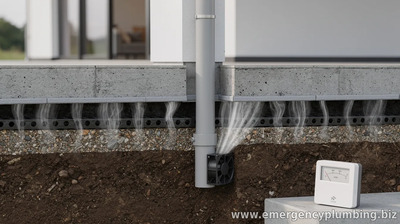
As a result, mitigation strategies often focus on controlling radon at the source in water, reducing its release into indoor air, and—when needed—addressing radon in the air itself through ventilation or other building-focused measures. Testing: the fastest way to know
The most practical starting point is radon testing with methods designed for household water. Residents should use reputable, accredited testing services or certified laboratories and follow instructions carefully, since test protocols can affect reliability.
Many public health best practices also recommend pairing water testing with radon-in-air testing, because indoor airborne radon may reflect multiple pathways. If air tests indicate elevated radon, mitigation may need to target the home’s ventilation and sealing strategy, not only the water. How to reduce radon from drinking water
If test results show radon in water at concerning levels, mitigation options can include treatment systems that remove or reduce radon before it enters the home. The suitability of a system depends on the type of water supply, household plumbing, and the radon concentration.
Common approaches include point-of-entry or point-of-use systems, along with strategies that reduce radon release during water use. Homeowners should consult qualified water treatment professionals to select equipment, confirm performance, and establish ongoing maintenance requirements.
In some cases, combining water treatment with measures that improve indoor air management can be the most effective way to lower overall exposure. For residents already pursuing air-radon reduction, water treatment should be planned as part of an integrated plan rather than handled in isolation. Next steps for North Shore homeowners
If you suspect radon in your drinking water—or simply want clarity—consider the following workflow: test your water using an appropriate method, consider an air-radon test to capture the exposure pathway, and then choose mitigation solutions based on measured results rather than assumptions.
For residents seeking guidance, local public health resources, certified radon service providers, and university or government-backed radon programs can help connect households with the right testing and mitigation pathways. With targeted action based on results, the risk from radon—where present—can be managed.
| |
⏰ Dispatcher support 24/7
📞 224-754-1984CALL ☎ Subscribe 👆 FORUM 🗣
North Shore, Northwest suburbs of Chicago, IL
Next & Previous posts
Related articles: