

1:00 AM Garbage Disposal Troubleshooting: Jammed, Leaking, Humming | |
A garbage disposal that jams, leaks, or hums is a common household problem—often caused by everyday items like food scraps that won’t break down, utensils or hard debris that get caught, or worn seals and fittings. Because disposals involve electricity and moving parts, the first step is always safety: switch off the power before you inspect, clear jams, or tighten anything.
Start with a safety reset. Turn off the disposal at the wall switch and, if applicable, the breaker. Confirm the unit won’t start when you flip the switch. Never put your hands into the disposal opening, even if you believe the power is off. When the disposal is jammed
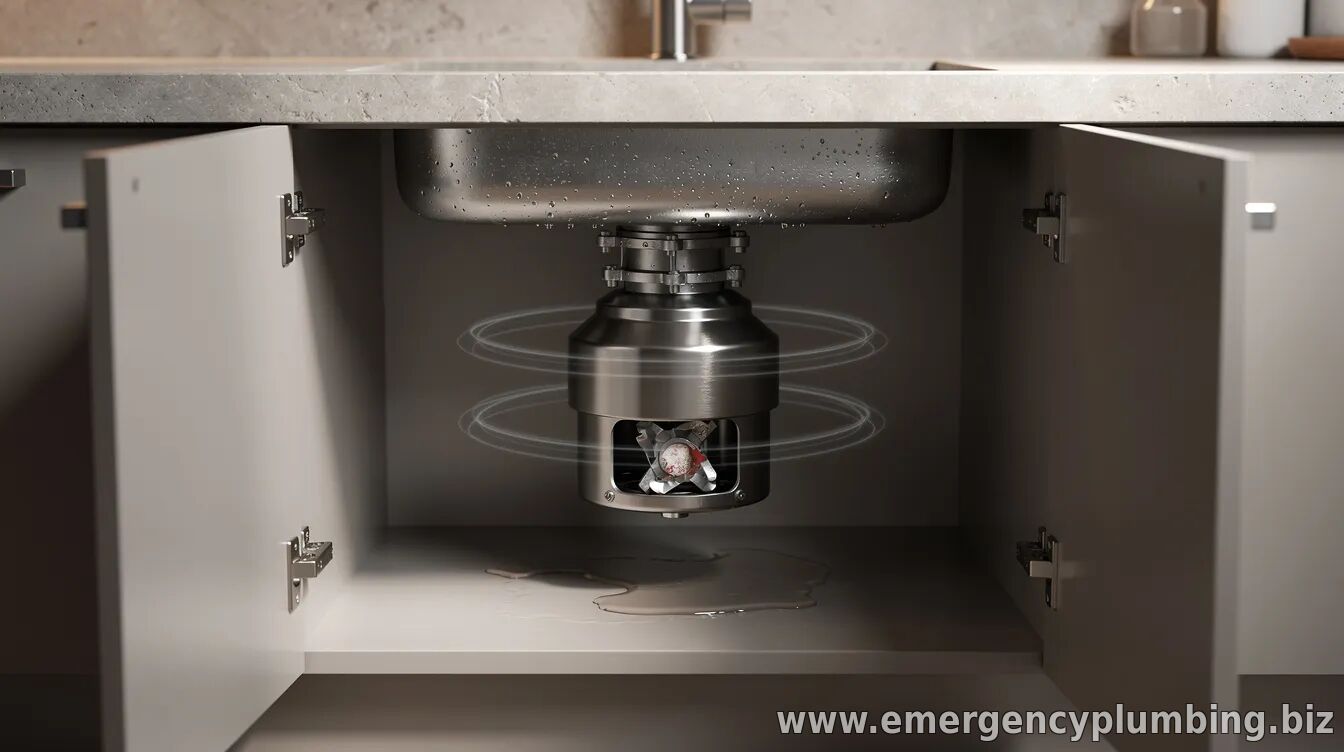
If the unit won’t turn at all—sometimes you may see standing water or hear no motion—something may be stuck. A common remedy is to use the disposal’s reset/lock system. Many models have a manual reset button and a removable hex key or wrench opening at the bottom for manually rotating the grinding mechanism.
Practical steps for a jam:
If you still can’t rotate the mechanism or you suspect a foreign object (like a utensil or bottle cap), it may be time to call a licensed plumber or appliance technician. Forcing the motor or repeatedly resetting can worsen the problem. When the disposal is leaking
Leaking can range from a minor drip to a persistent flow. Most leaks come from connections—under the sink, at the discharge outlet, or around mounting hardware. Start by identifying where the water originates rather than where it lands.
How to troubleshoot a leak:
Some leaks are fixable with tightening or replacing a gasket, but if the housing is cracked or the unit is old and corroded, repair may be less cost-effective than replacement. If water is reaching electrical components, stop using the disposal and get professional help. When the disposal is humming
A humming sound usually indicates the motor is trying to start but can’t. The most frequent cause is jamming or overload—often triggered by something too tough for the shredder to process (fibrous foods, grease buildup, or a hard object). Less commonly, electrical issues or a failed capacitor/starting mechanism may be involved.
What to do when it hums:
If the unit hums even after confirming the mechanism rotates freely, you may be dealing with an electrical problem. Because disposal electrical circuits can be dangerous, a qualified electrician or plumber is often the safest next step. Quick prevention tips
Once your disposal is operating normally, a few habits can reduce future trouble: run water while using the unit, avoid dumping grease or starchy materials in large amounts, and feed tough scraps gradually. If you notice recurring jams, inspect what you’re sending into the disposal and consider occasional cleaning with products made for disposals.
Bottom line: Jammed, leaking, and humming are common—but treat each symptom differently. Always cut power before troubleshooting, identify the exact source of a leak, and don’t keep resetting a unit that won’t rotate. If basic checks don’t resolve the issue, professional service can prevent damage and improve safety.
| |
⏰ Dispatcher support 24/7
📞 224-754-1984CALL ☎ Subscribe 👆 FORUM 🗣
North Shore, Northwest suburbs of Chicago, IL
Next & Previous posts
Related articles: