

1:32 AM Septic Tank Maintenance: How Often It Needs Pumping | |
Septic tank problems are often preventable, but “how often” to pump is a question with no single universal answer. The right maintenance interval depends on system size, household water use, sludge and scum buildup rates, and whether the system has been properly cared for.
Still, industry guidance offers practical starting points: many residential septic systems require pumping roughly every 3 to 5 years. Systems that generate less waste or have larger tanks may go longer, while high water use can shorten the interval. Why pumping frequency varies
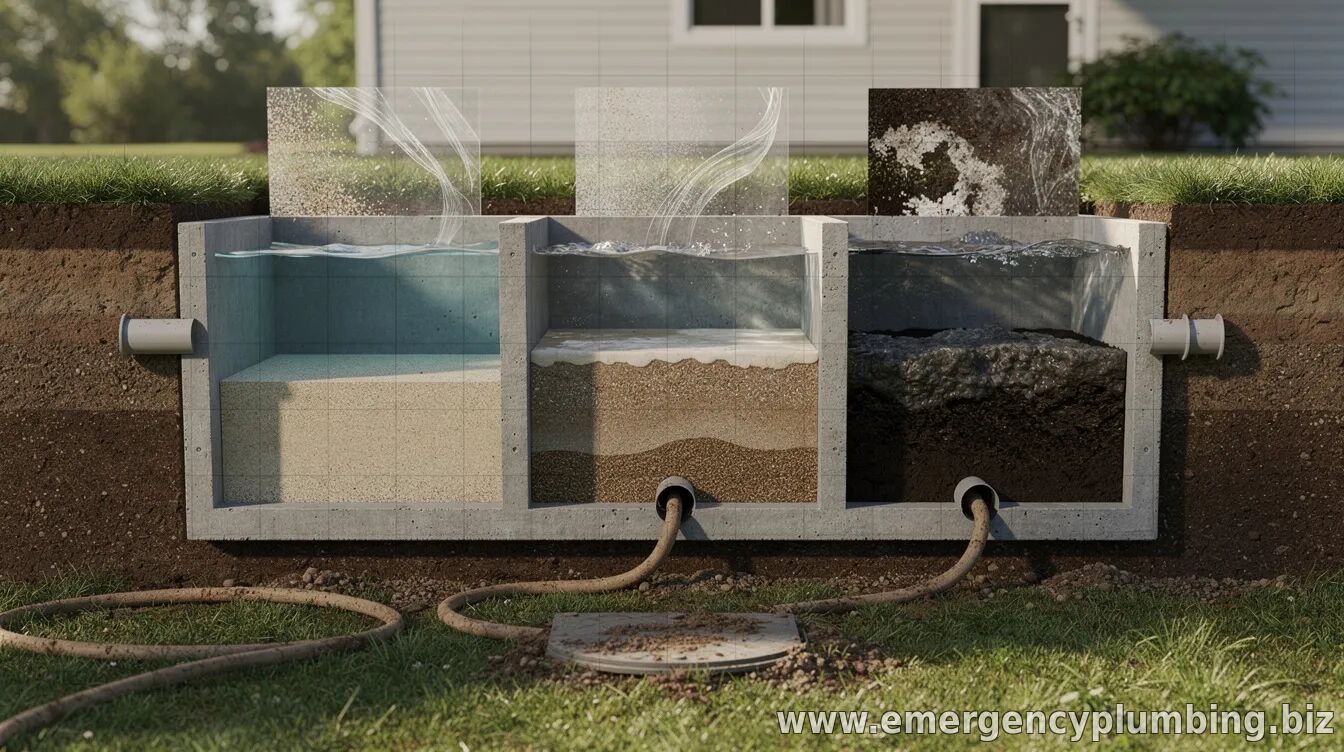
A septic tank separates solids from wastewater. Over time, two layers build up: sludge at the bottom and scum at the top. Pumping is needed when these layers reach a level that threatens system performance—when solids can escape into the drain field and cause clogs.
Household factors that commonly change pumping needs include the number of occupants, frequency of laundry and dishwashing, garbage disposal use, and whether water-efficient fixtures reduce flow. The condition of the tank and how well solids are contained also matters. Common guidance: a practical range
For typical single-family homes, a common baseline is pumping every 3–5 years. Some tanks may only need service every 5–7 years if usage is low and the system is functioning well. Other homes—particularly those with larger-than-average wastewater flow—may need pumping sooner.
The most accurate method is to measure tank conditions. A qualified septic professional can inspect and determine sludge and scum thickness, then recommend the interval based on how close the layers are to thresholds where solids may carry over. Signs it’s time to schedule pumping
While a timer is useful, warning signs should trigger immediate attention regardless of the last service date. Homeowners should watch for symptoms that indicate the tank is nearing capacity or the system is struggling to process wastewater.
These signs don’t always mean the tank alone needs pumping, but they often justify checking both the tank and the drain field to prevent a more expensive failure. How to reduce the need for early pumping
Good system habits can slow sludge buildup and protect the drain field. Avoid sending materials that don’t break down easily into the tank, and reduce unnecessary water surges that can push solids into the distribution area.
Practical steps include using high-efficiency fixtures, spreading out laundry loads, fixing leaks promptly, and limiting or eliminating garbage disposal use. Regular inspections can also catch developing issues before they become backups or drain-field damage. What to do next
If the septic tank’s last pumping date is unknown or the home has changed occupants, the safest approach is to schedule a professional assessment. Measuring sludge and scum layers helps establish a realistic maintenance plan—often more reliable than relying solely on a general timeframe.
With the right interval and consistent care, most septic systems can operate efficiently for years, saving homeowners from emergencies and costly repairs.
| |
⏰ Dispatcher support 24/7
📞 224-754-1984CALL ☎ Subscribe 👆 FORUM 🗣
North Shore, Northwest suburbs of Chicago, IL
Next & Previous posts
Related articles: