

0:46 AM Grease Trap Cleaning for Illinois Restaurants: Frequency & Cost | |
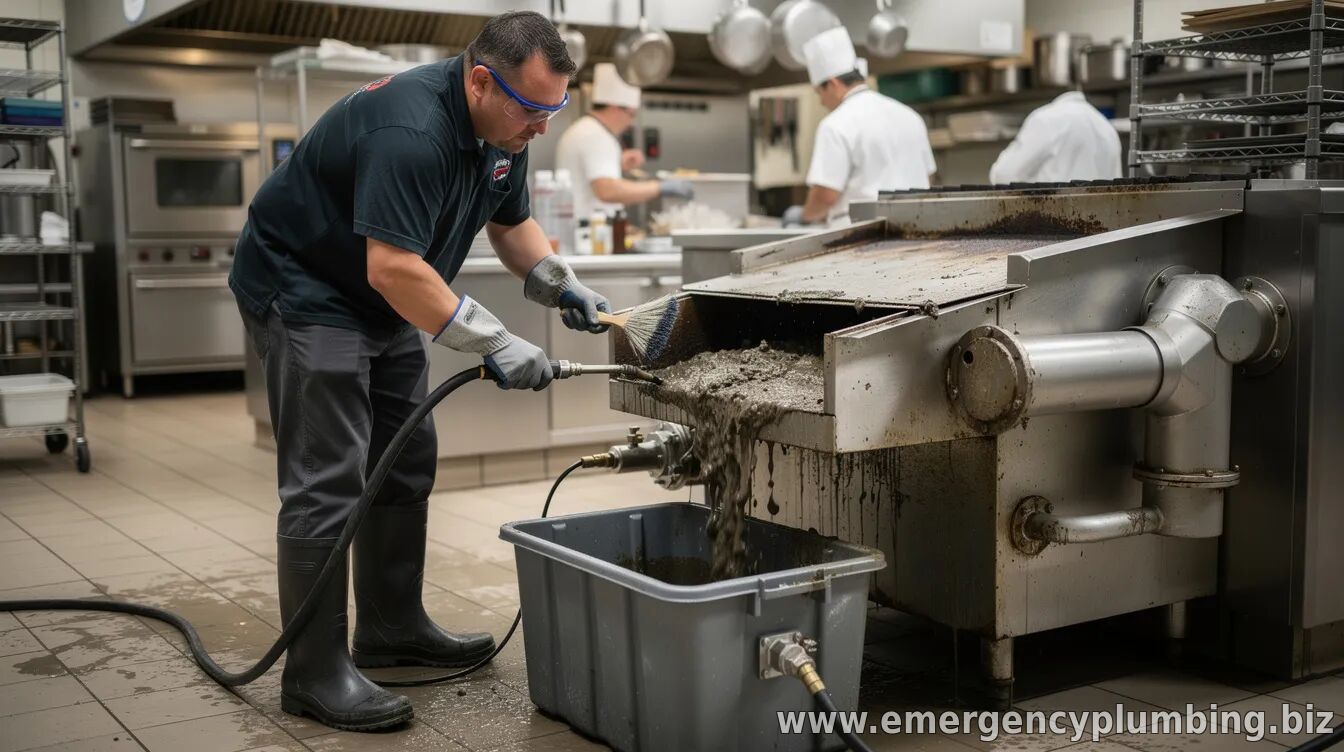
Grease trap (grease interceptor) maintenance is a recurring expense for Illinois restaurants—but skipping cleanings can quickly turn that cost into emergency repairs, disrupted service, and potential compliance issues. For owners and operators, the practical question is usually twofold: How often should the trap be cleaned? and What will it cost?
While the exact requirements can vary by locality and facility design, most responsible programs are built around usage-based maintenance. The guiding idea is simple: clean before fats, oils, and grease (FOG) build up to the point where flow is restricted or solids escape into plumbing lines. How frequently should Illinois restaurants clean grease traps?
In practice, frequency depends on kitchen load, the size and type of interceptor, and the effectiveness of grease control habits upstream (such as proper fryer and food-waste management). Many restaurants schedule cleanings on a recurring basis, then adjust based on results measured by inspection and pump-out history.
Common schedules you’ll see in the field:
Even if a restaurant follows a set interval, many operators also conduct regular inspections to confirm that the actual condition matches the plan. If grease depth, odor, or flow problems indicate buildup is progressing faster, the cleaning cadence should tighten. What affects grease trap cleaning cost in Illinois?
Grease interceptor cleaning is priced based on more than just “time on site.” Service providers typically factor in the size and configuration of the unit, the amount of accumulated material, the complexity of access, and local disposal and hauling expenses.
Key cost drivers include:
Typical cost ranges restaurants budget for
Because pricing varies by vendor and conditions, Illinois restaurants generally plan for a recurring service cost rather than expecting one fixed price. As a baseline, many operations fall into these planning ranges:
To get the most accurate estimate, contractors typically ask for details like the grease interceptor capacity (or dimensions), the last cleaning date, whether there are signs of FOG carryover (e.g., clogged lines or odors), and the business volume. Restaurants that can provide these basics usually receive tighter quotes and fewer “surprise” adjustments. How to choose a cleaning schedule that reduces risk
Owners can reduce both cost volatility and operational downtime by using a simple maintenance approach: define an initial schedule, verify performance, and adjust based on inspection findings. A well-run grease program typically includes documentation—proof of cleanings, inspection notes, and any corrective actions taken.
Common best practices that support better outcomes include training staff on fryer oil handling, minimizing solid food contamination entering drains, and ensuring waste streams are managed so that grease control relies less on “catch-up” cleanings.
For restaurants, the smartest cost is often the one that prevents backups. Emergency plumbers, after-hours service, kitchen downtime, and potential environmental or compliance fallout usually cost far more than steady maintenance. What Illinois restaurants should do next
If you’re building or revising a grease trap program, start by reviewing your current interceptor type and the last cleaning records, then set a frequency aligned with your kitchen output. From there, schedule inspections to confirm accumulation rates and refine the pump-out interval.
Because local expectations can differ across Illinois municipalities and facility types, it’s also wise to coordinate with your grease hauler and, where applicable, your local wastewater authority on any documentation or scheduling norms. A short planning conversation now can help avoid reactive spending later.
| |
⏰ Dispatcher support 24/7
📞 224-754-1984CALL ☎ Subscribe 👆 FORUM 🗣
North Shore, Northwest suburbs of Chicago, IL
Next & Previous posts