

0:57 AM Spring Plumbing Inspection: What to Check After Winter | |
Winter can be especially tough on household plumbing. Even if pipes didn’t visibly burst, repeated freeze-thaw cycles may have weakened joints, stressed fixtures, or caused small leaks that only show up once temperatures rise.
A spring plumbing inspection is a practical way to reduce the risk of water damage and costly repairs. Focus on the most failure-prone areas first—where freezing occurs, where pressure changes happen, and where water flow slows or backs up. 1) Check for leaks, dampness, and water stains
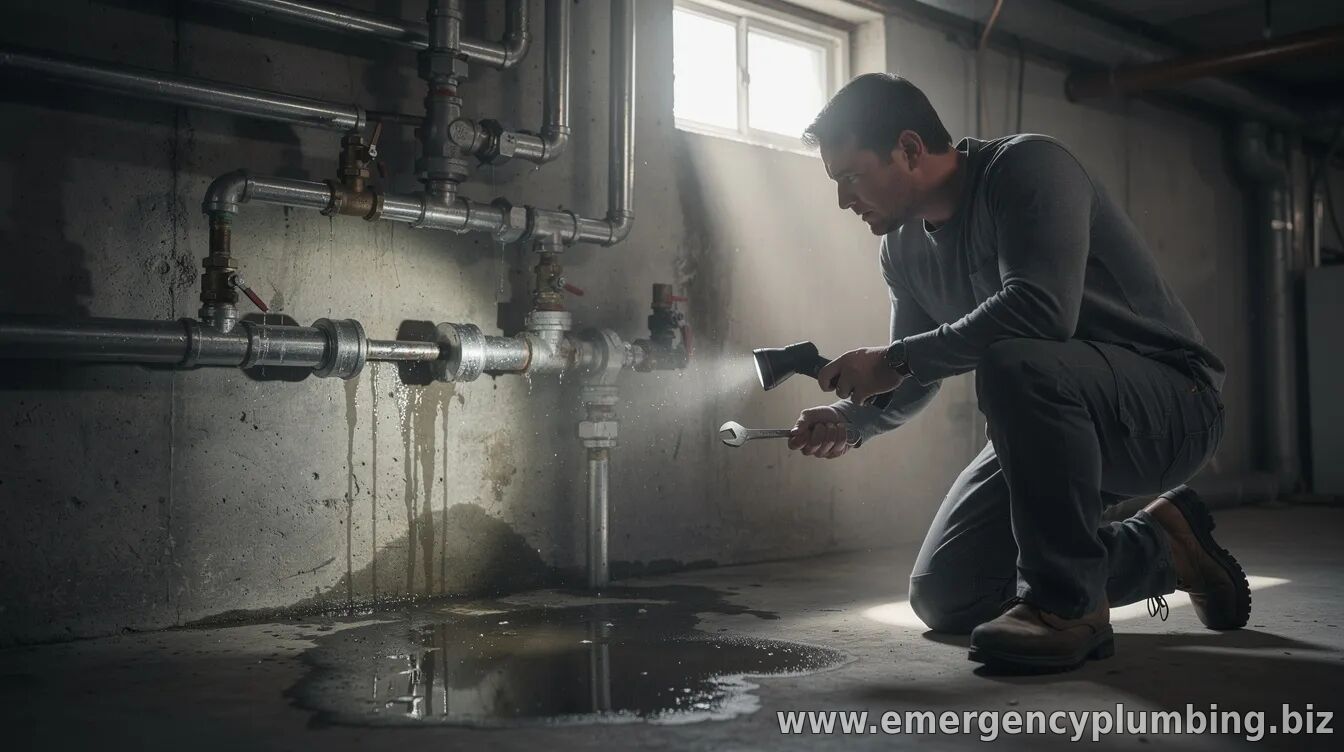
Start with a whole-home visual scan. Look under sinks, around toilets, near water heater bases, and along accessible pipe runs in basements, crawl spaces, utility rooms, and garages. Pay attention to discoloration, bubbling paint, warped drywall, corrosion, or musty odors that can indicate moisture buildup.
Next, confirm common leak sources: hose bibs (outdoor spigots), shower/tub caulk lines, supply line connections, and toilet seals at the floor. If you can, wipe suspect areas dry and re-check after a short period—some leaks are intermittent and won’t show right away. 2) Inspect shutoff valves and test fixture supply lines
Shutoff valves are your first line of defense when something goes wrong. Make sure the main shutoff and fixture shutoffs turn smoothly and can fully close. If a valve sticks, replacing it may prevent a bigger emergency later.
Then check supply lines to sinks, toilets, and appliances. Look for bulges, cracks, corrosion, and moisture at connection points. If you notice any dampness around compression fittings or flexible connectors, address it promptly—small failures can worsen as seasonal demand increases. 3) Verify drains, traps, and venting
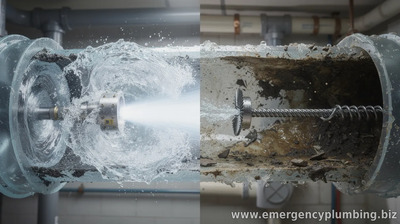
Freeze conditions can push debris into drains or affect venting, leading to slow drains, gurgling sounds, or recurring odors. Run water at multiple fixtures and watch for proper drainage. Slow kitchen sinks, backed-up tubs, or toilets that refill strangely may point to a clog or vent issue.
Check that drain traps under sinks have water (a functional seal helps prevent sewer gas). If traps were dry during winter—such as infrequently used bathrooms—re-test after running water and ensure there’s no leakage at the slip joints. 4) Review water pressure and water quality
After winter, pay attention to how water feels and looks. If you’ve noticed changes in pressure, clogged-feeling faucets, or unusual noises when water turns on or off, inspect for partially blocked screens, worn supply components, or sediment-related buildup.
Water quality can also shift with seasonal changes. Look for cloudy water at first draw, increased mineral scale, or discoloration. If you have a filtration system, check cartridges and follow the manufacturer’s seasonal maintenance guidance. 5) Examine the water heater and pressure-related controls
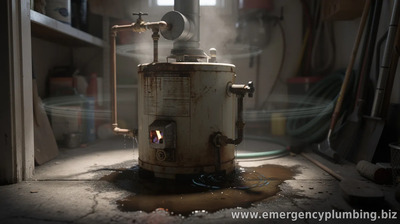
Your water heater can accumulate sediment over time, and winter use patterns may highlight existing issues. Inspect for leaks around the tank seams and connections, and confirm the area around the heater is dry and clear of stored items.
Also verify pressure relief discharge pipes (where present) are properly installed and not leaking. If your system includes a pressure regulator or expansion tank, ensure it’s functioning and that you’re not seeing signs of water hammer or cycling. 6) Don’t forget outdoor plumbing
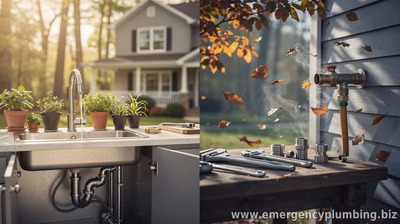
Outdoor plumbing is one of the most freeze-exposed parts of a home. After the thaw, turn on outdoor faucets carefully and check for drips at handles, threaded connections, and any attached hoses. If you overwintered or drained lines, restore them gradually and watch for leaks.
If you still have underground lines or irrigation connections, inspect accessible shutoffs and verify sprinklers or irrigation zones resume normal flow. Addressing a minor outdoor leak early can prevent soil erosion and damage to foundation-adjacent areas.
When to call a professional depends on what you find. If you detect persistent leaks, repeating sewer odors, toilets or drains that won’t behave, or pressure that suddenly drops or spikes, it’s worth involving a licensed plumber. Many problems—especially those involving hidden piping, venting, or water heater components—are faster and less expensive to resolve when caught early.
Use this spring inspection as a baseline. Keep notes on what’s normal, what changed after winter, and what repairs were made, so next season’s maintenance starts with clear context.
| |
⏰ Dispatcher support 24/7
📞 224-754-1984CALL ☎ Subscribe 👆 FORUM 🗣
North Shore, Northwest suburbs of Chicago, IL
Next & Previous posts
Related articles: