
1:52 AM Hard Water on Chicago’s North Shore: Effects and Fixes | |
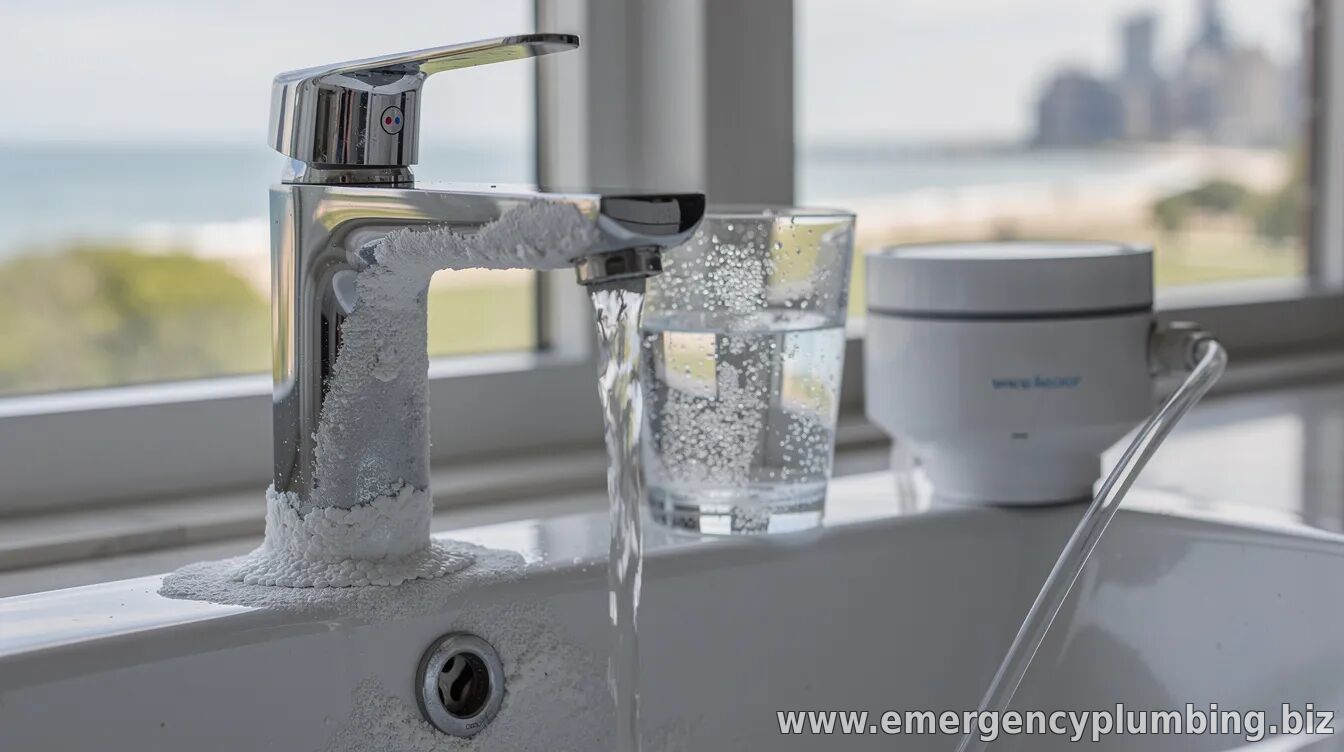
Residents along Chicago’s North Shore often notice the telltale signs of hard water: cloudy glass, white scale on faucets, and soap that doesn’t rinse as cleanly. While hard water is not considered unsafe to drink, it can create real headaches for plumbing, appliances, skin, and household cleaning. What hard water is—and why it happens locally
Hard water contains high levels of dissolved minerals, most commonly calcium and magnesium. In the Chicago area, these minerals can come through natural water sources and affect the local water profile. The result is water that leaves mineral deposits when it evaporates.
For homeowners, the biggest impact is visible: rings around sinks, dull shower doors, and buildup inside showerheads. Over time, scale can also accumulate in pipes and water-using appliances. How hard water affects your home
First, hard water can reduce how well cleaning products work. Detergents and soaps may form scum instead of producing a rich lather, which can mean more product use and less effective cleaning. Clothing can also feel stiffer, and towels may lose absorbency sooner than expected.
Second, limescale can stress plumbing and appliances. Scale buildup can decrease heat-transfer efficiency in water heaters and contribute to reduced performance or more frequent maintenance for machines that rely on hot water.
Third, many people report comfort and skin-hair effects. Mineral deposits don’t “make water unsafe,” but they can leave hair feeling dry or heavy and contribute to irritation for some users—especially with frequent showering. Signs you likely have hard water
Look for these recurring indicators around your home:
Solutions: reducing scale and improving cleaning results
Addressing hard water typically comes down to either preventing mineral buildup or removing minerals from the water you use. Several approaches are available, ranging from targeted treatments to whole-home systems.
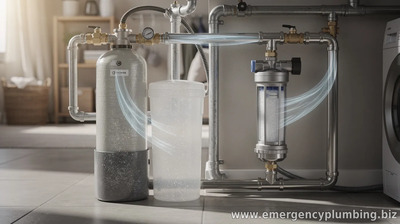
1) Water softeners (ion exchange): Common for homes with persistent scaling, softeners exchange calcium and magnesium ions for sodium or potassium ions. This can reduce limescale and make soaps and detergents work more effectively. Many systems also include maintenance schedules for resin and salt or brine.
2) Whole-home filtration with scale control: Some filtration and conditioning systems are designed to limit mineral-related problems without traditional full softening. Options vary by design, so it’s important to confirm whether a system is intended for scale reduction and what it can realistically achieve for your water chemistry.
3) Under-sink or point-of-use conditioning: For households that want to start smaller, conditioning filters at key taps (like kitchen and laundry lines) can reduce scale where it’s most noticeable. This can be a practical first step, particularly if you’re focusing on drinking water and cooking rather than entire home plumbing.
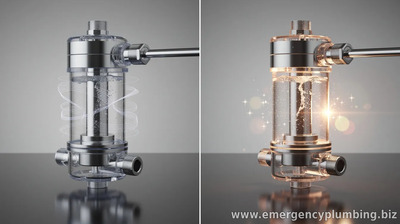
4) Showerhead and faucet treatments: If the primary complaint is bathroom buildup, specialized showerhead filters or scale reducers can provide localized improvement. These won’t solve whole-home plumbing scale, but they may ease day-to-day cleaning.
5) Confirm with a test: Before investing, test your water hardness (often measured in grains per gallon or mg/L). A local utility’s water quality report may provide baseline information, but home testing helps tailor recommendations and compare solutions. What to do next
For North Shore homeowners, the fastest path to better results is to identify where hard water is affecting you most—cleaning, appliances, or bathroom fixtures—and then choose a solution that matches that priority. Start with a hardness test, review your household water needs, and consider whether a whole-home softener, targeted conditioning, or a point-of-use approach is the best fit.
| |
⏰ Dispatcher support 24/7
📞 224-754-1984CALL ☎ Subscribe 👆 FORUM 🗣
North Shore, Northwest suburbs of Chicago, IL
Next & Previous posts
Related articles: