

1:29 AM Spring Plumbing Checklist for Illinois Homeowners | |
As Illinois moves from late-winter freeze to spring thaw, plumbing systems can face sudden stress—pressure changes, shifting soil, and rapid temperature swings that reveal small leaks or weak joints. A short spring check can help you catch problems early and keep water running reliably through the wetter months ahead.
Below is a practical spring plumbing checklist for Illinois homeowners, with focus on the areas most likely to fail after winter and during seasonal temperature shifts. 1) Start with the fastest wins: leaks and water pressure
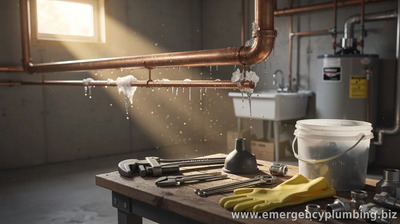
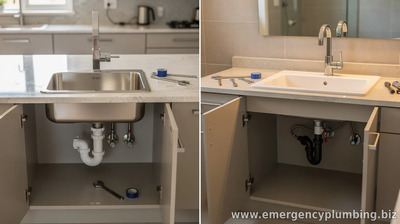
Begin with a careful walk-through of your home’s visible plumbing. Look under sinks, around toilets, near water heater connections, and at any exposed pipes in basements, crawlspaces, garages, or utility areas. Check for damp drywall, water spots, corrosion, rust trails, or mineral buildup that can indicate slow leaks.
Next, verify water pressure and flow. If faucets seem weaker than usual or you hear unusual banging or hissing, it may point to air in lines, a failing pressure regulator, or other issues that deserve attention. 2) Inspect freeze-prone points and shutoffs
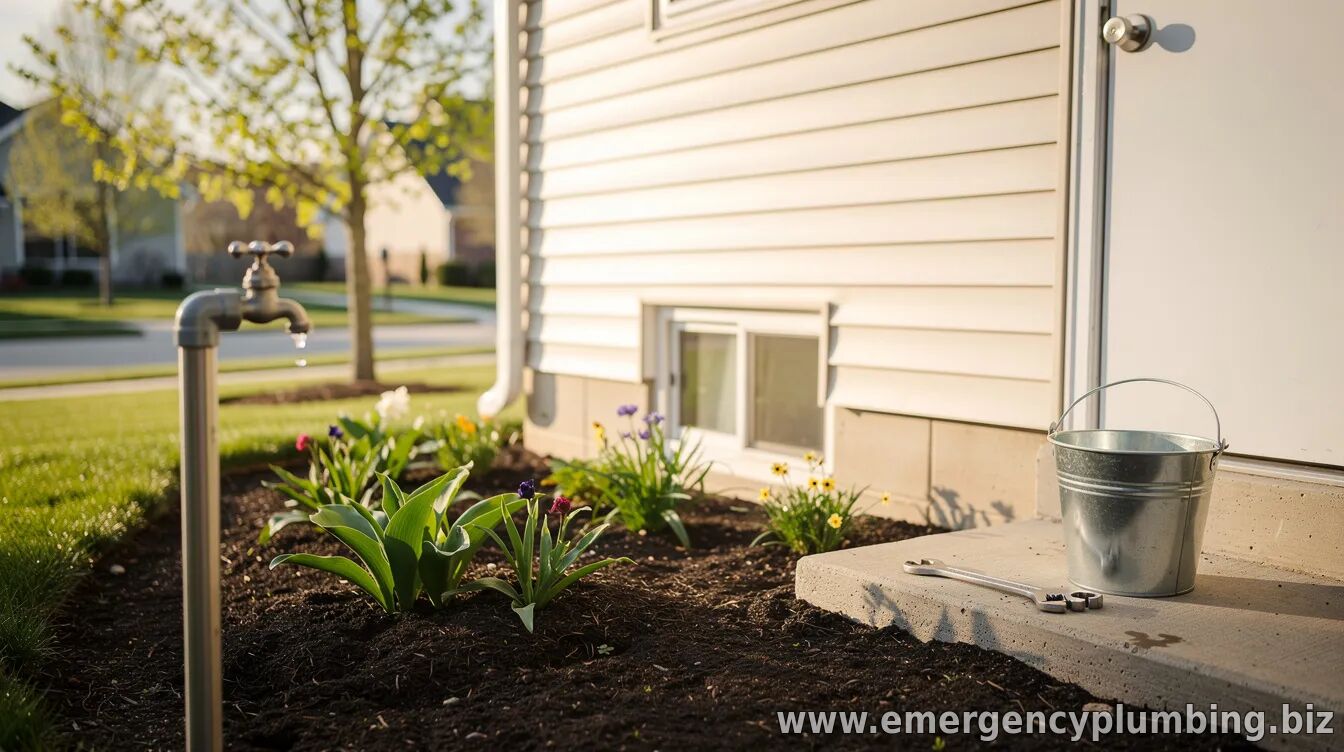
Even though winter is over, parts of a system can remain vulnerable. Pay special attention to lines that run along exterior walls, near foundation edges, or through unheated spaces. Confirm that outdoor spigots (hose bibs) are functioning properly and that any winter covers were removed correctly and stored safely.
Test shutoff valves you may need in an emergency. Make sure the main water shutoff and any individual fixture shutoffs (e.g., under sinks or near the water heater) can be turned. If a valve won’t move, fixing it now can prevent a bigger problem later. 3) Prevent clogs: drain, clean, and confirm proper drainage
Spring is a common time for drainage issues as debris breaks free and seasonal sediment shifts. Run water through sinks, tubs, and floor drains to confirm everything drains steadily. If you have a sump pump or basement drain system, check that the pit is not obstructed and that the system operates as expected.
Also consider routine cleaning for strainers and overflow fixtures. Clear hair and debris from bathroom drains, clean sink strainers, and ensure overflow holes aren’t blocked—small blockages can become major leaks if water has nowhere to go. 4) Review the water heater and key household plumbing systems
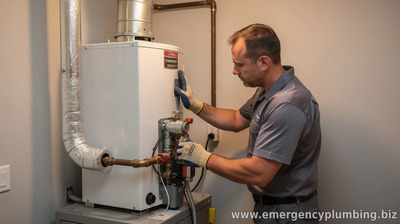
Your water heater is another high-impact item for spring readiness. Inspect the area around the unit for signs of leakage and check the temperature setting. If your heater uses a pressure relief valve, ensure there’s no leaking or corrosion around the discharge pipe.
Flushing the water heater (when appropriate for your model) can help reduce sediment buildup that leads to poor performance and premature failure. If you’re unsure of the correct maintenance steps, consult the manufacturer’s guidance or schedule a professional inspection.
Optional checks that can add extra protection include examining dishwasher and washing machine hoses for cracking or swelling, testing toilet tank flappers (a running toilet is often a spring surprise), and confirming that seals under fixtures remain tight and dry.
With a modest amount of time, Illinois homeowners can reduce the odds of spring leaks, clogged drains, and water heater problems. Treat this checklist as a seasonal habit—especially after extreme weather or if your home is older. If you notice recurring moisture, persistent odors, or water pressure that suddenly changes, it’s a good time to bring in a licensed plumber before a small issue turns into costly damage.
| |
⏰ Dispatcher support 24/7
📞 224-754-1984CALL ☎ Subscribe 👆 FORUM 🗣
North Shore, Northwest suburbs of Chicago, IL
Next & Previous posts
Related articles: