
1:08 AM High-Efficiency vs Standard Furnace: Is It Worth Upgrading? | |
Choosing between a high-efficiency furnace and a standard model is one of the biggest heating decisions homeowners can make. The right answer depends less on marketing claims and more on your current equipment, heating needs, installation quality, and the economics of your local energy market.
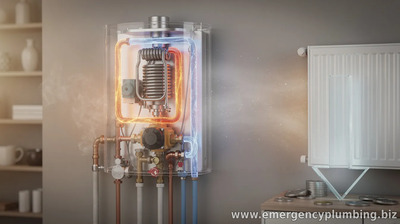
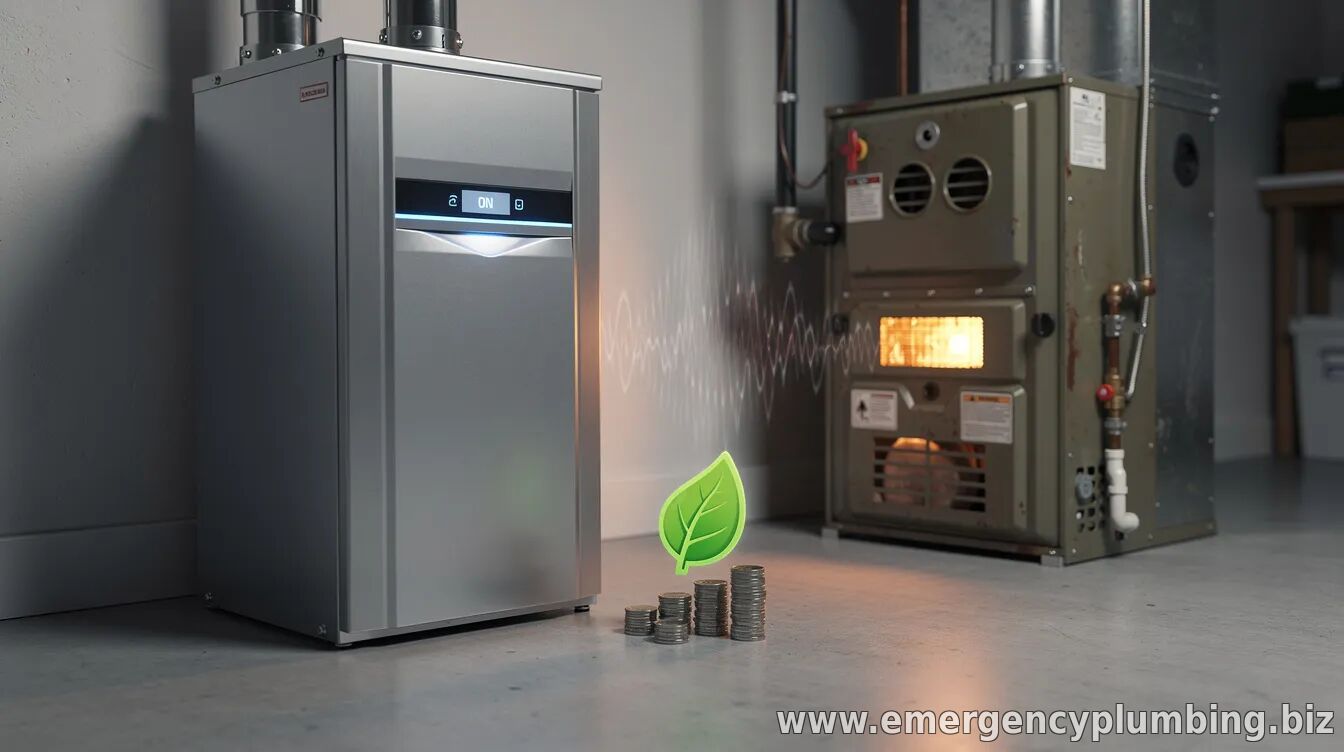
At a glance, high-efficiency furnaces are designed to recover more heat from the combustion process. In practical terms, that means higher fuel utilization, often lower monthly heating bills, and improved temperature stability—especially during cold snaps. How “standard” and “high-efficiency” differ
Standard furnaces typically run with lower overall efficiency and may vent combustion gases in ways that discard more usable heat. High-efficiency models are engineered to extract additional energy before exhaust leaves the system, which can translate into a better return on every unit of fuel you buy.
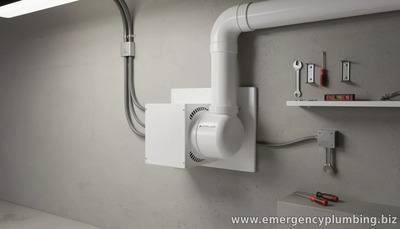
Another key point: high-efficiency furnaces may require specific venting and drain setups (commonly involving condensing technology). This is not a reason to avoid them, but it can affect the installation scope and total project cost. What you gain with an upgrade
For many households, the benefits are straightforward: reduced energy consumption and more consistent indoor temperatures. High-efficiency systems can also align better with modern home improvements—such as air sealing, insulation upgrades, and updated thermostats—because there is less wasted heat to compensate for.
In addition, a properly installed system can support quieter operation and improved airflow control. Comfort gains are often most noticeable in homes with uneven heating, cold rooms, or frequent temperature swings. The hidden factors that decide the payoff
The upgrade is not purely a comparison of furnace labels. Installation quality matters—especially correct sizing, duct sealing, and proper airflow. An oversized furnace may cycle too frequently, reducing efficiency and increasing wear, while leaky ducts can erase potential savings.
Home characteristics also influence performance. If your home is older and under-insulated, improving insulation and air sealing may deliver a bigger comfort and cost impact than upgrading the furnace alone.
When a high-efficiency furnace is most worth it
Upgrading to high-efficiency is often most compelling when you use the furnace heavily each year, live in a colder climate, and plan to stay in the home long enough to realize energy savings. It’s also a strong choice if your current system is failing, inefficient, or already requires major repairs—because you can avoid paying for half-measures on aging equipment.
However, if your current furnace is relatively new, your heating demand is low, and your ducts are in great shape, the payback period may be longer. In those cases, careful cost comparisons—and potentially an energy audit—can clarify whether the premium is justified. How to estimate whether you’ll break even
Homeowners can make better decisions by comparing not only the sticker price, but the installed cost and expected annual fuel use. Contractors and auditors can estimate expected savings using your heating history (or local weather data), furnace efficiency ratings, and your home’s measured heat loss.
A practical approach is to request a written quote that includes: the furnace model and efficiency rating, venting and drain requirements (if condensing), ductwork assessment, installation labor, and any required system upgrades. Then compare the incremental cost against projected annual savings to estimate a simple payback window.
Bottom line: high-efficiency furnaces often reduce operating costs and improve comfort, but the “worth it” threshold depends on installation scope, your home’s thermal performance, local energy prices, and how long you intend to stay. For many households, especially in colder climates or with aging equipment, the upgrade can pay off—provided the system is sized and installed correctly.
| |
⏰ Dispatcher support 24/7
📞 224-754-1984CALL ☎ Subscribe 👆 FORUM 🗣
North Shore, Northwest suburbs of Chicago, IL
Next & Previous posts
Related articles: