

0:05 AM What Is a Combi-Boiler and Is It Worth It? | |
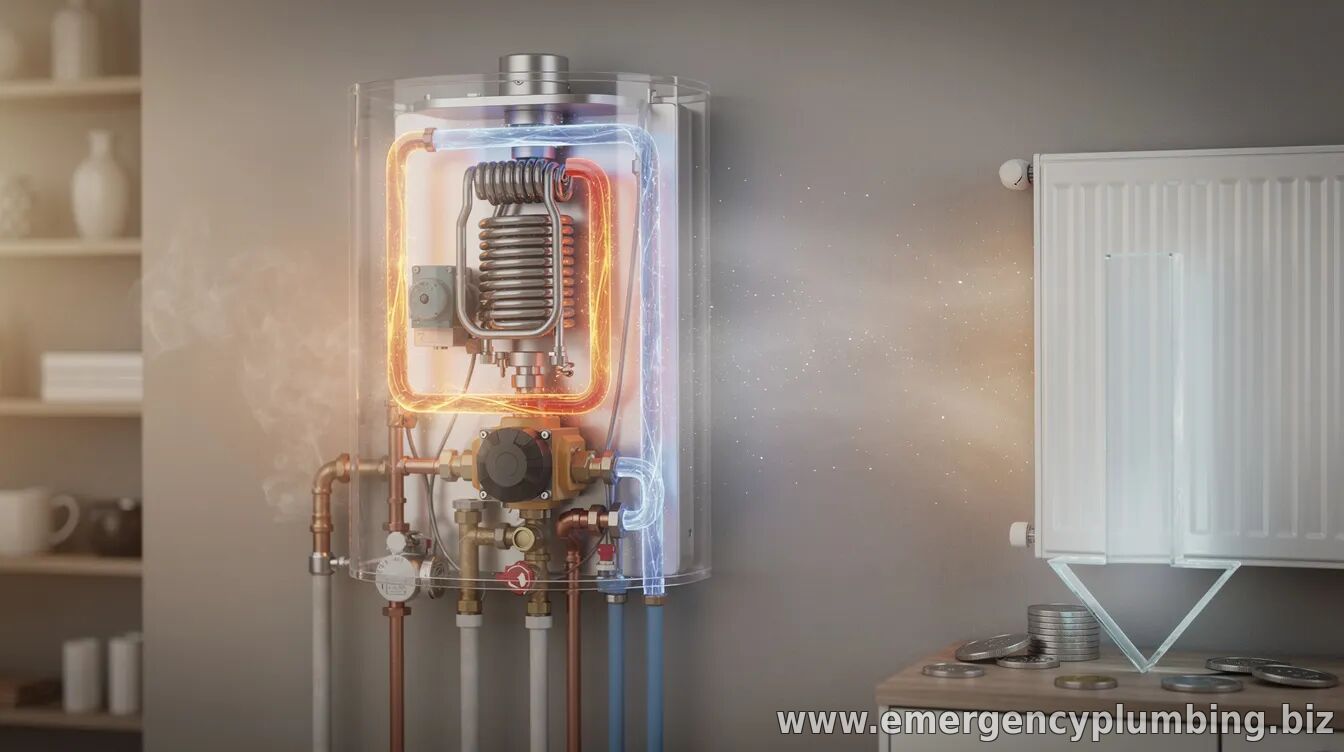
A combi-boiler—short for combination boiler—is a type of gas (or sometimes oil) boiler that provides central heating and hot water directly from the mains supply. Unlike traditional systems, it doesn’t require a separate hot-water cylinder or cold-water tank.
In most homes, this means you get hot water whenever you open a tap or run a shower, while the boiler simultaneously supports heating through radiators (or underfloor heating). The key idea is “on demand,” rather than storing hot water in advance. How a combi-boiler works
When there’s a heating call, the boiler heats water for the central heating circuit. When you turn on a hot tap, sensors detect the flow and switch the boiler to deliver hot water to your taps. Because the system relies on mains water, the boiler’s performance depends on your incoming water pressure and the boiler’s output.
For many households, this setup simplifies plumbing and can reduce the amount of space taken up by bulky tanks—an advantage particularly in smaller properties. Common benefits: why people choose combi
No hot-water storage tank: With no cylinder or tank, the system is often easier to install and takes up less space.
Hot water on demand: There’s no waiting for stored water to heat up, which can be convenient for everyday use.
Potential efficiency improvements: Modern boilers can be highly efficient, and on-demand heating can help avoid standing losses associated with stored hot water.
Lower system complexity: Fewer components can mean fewer things to maintain—though regular servicing is still essential. Limitations: when a combi-boiler may not be the best fit
Combi-boilers can be less ideal for homes with high simultaneous hot-water demand. For example, running a power shower and filling a bath at the same time—or multiple showers running concurrently—can strain the boiler’s hot-water capacity.
Another factor is mains water pressure. If your water pressure is low or inconsistent, hot water performance may suffer. In some cases, solutions like pressure-boosting equipment can help, but that adds cost and complexity.
Finally, if your home’s heating and hot-water needs are best served by a larger stored volume, a system or heat-only boiler (often paired with a hot-water cylinder) might deliver a more consistent experience. Is it worth it? A practical checklist
Whether a combi-boiler is “worth it” usually comes down to your household and your plumbing constraints. Before switching, consider:
It can also help to request a heat-loss calculation and discuss expected flow rates with your installer. A boiler that’s too small may struggle during simultaneous demand; one that’s sized appropriately is more likely to meet your routine.
In many typical homes—especially where space is limited and hot-water usage is moderate—a combi-boiler can be a strong, straightforward choice. In larger households or homes with heavy, simultaneous demand, you may find better comfort and performance from a different boiler configuration.
If you’re considering switching, compare total installed costs (including any upgrades that might be required), ask about expected hot-water performance, and ensure the installer can justify the design choice based on your property’s needs.
| |
⏰ Dispatcher support 24/7
📞 224-754-1984CALL ☎ Subscribe 👆 FORUM 🗣
North Shore, Northwest suburbs of Chicago, IL
Next & Previous posts
Related articles: