
1:04 AM How Chicago’s Heavy Rains Affect Your Plumbing | |
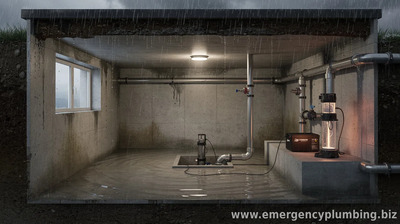
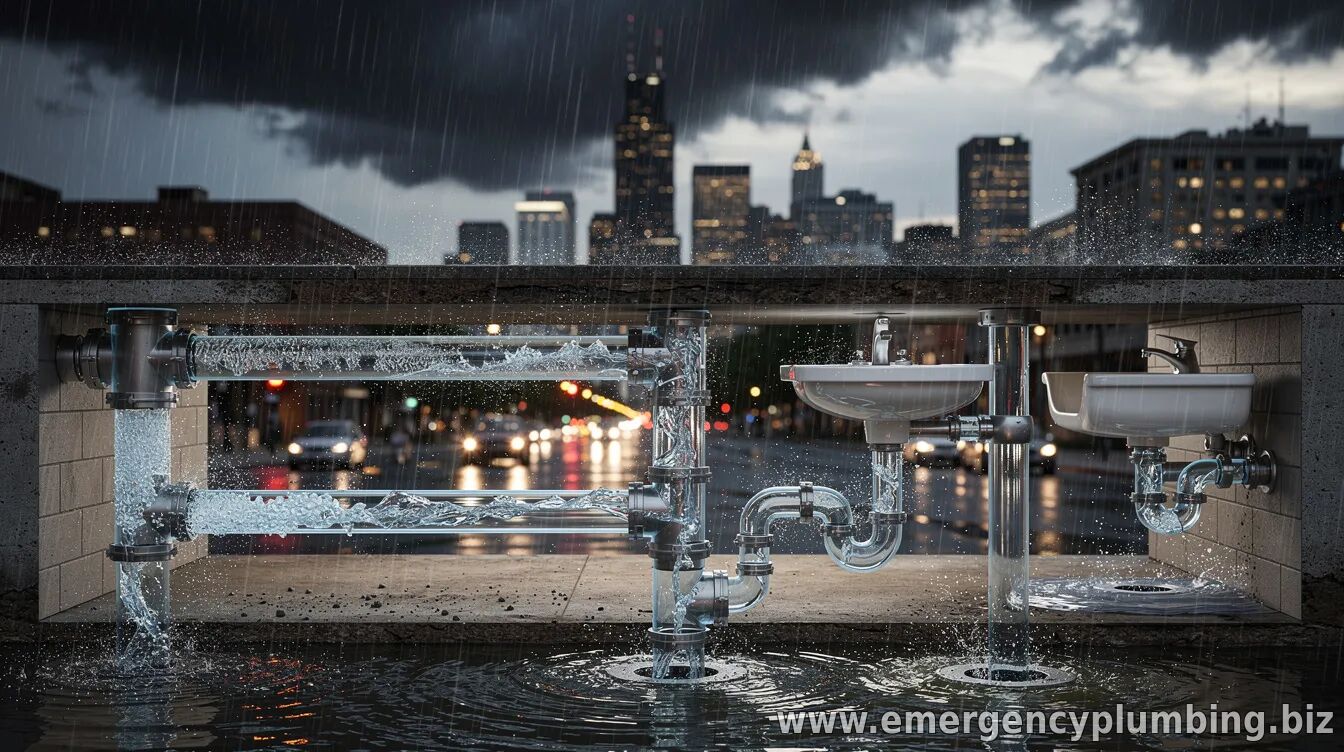
When heavy rain hits the Chicago area, plumbing problems can escalate quickly—often before the weather even clears. Sudden downpours can strain storm drains and sanitary sewers, increase groundwater pressure, and introduce debris into pipes. The result: backups, basement moisture, slow drains, and sometimes unexpected damage.
Below are the most common ways intense rainfall affects household plumbing in the region, plus practical steps to reduce risk. 1) Sewer backups and overflows
In many areas, combined sewer systems (where stormwater and wastewater are managed together) can be overwhelmed during intense storms. When capacity drops, sewer flow may reverse or back up through sinks, floor drains, and toilets. Even brief surges can leave residents dealing with gurgling drains and unpleasant odors.
Watch for: gurgling sounds in multiple drains at once, slow draining that worsens during rain, sewage smells near drains, and water backing up into basements or tubs. 2) Groundwater pressure rises
Prolonged or heavy rainfall can raise groundwater levels around homes. If your basement has cracks, gaps, or older waterproofing, groundwater can seep inward and increase moisture near plumbing penetrations and shutoff points. This can lead to wet walls, corrosion, and recurring leaks around supply lines.
Watch for: damp drywall or cinder block areas after storms, water around plumbing fixtures in basements, and persistent musty odors even when indoor humidity seems normal. 3) Sump pump strain (and failures)
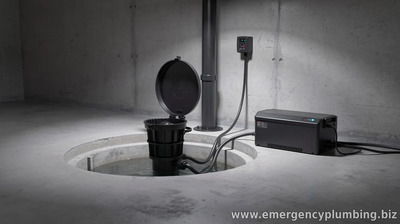
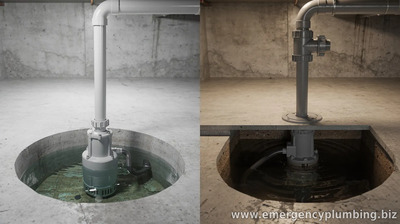
Many Chicago-area homes rely on sump pumps and check valves to keep basements dry. During major storms, sump systems can run continuously and are more likely to encounter power interruptions, clogged intakes, or failed check valves that allow water to flow backward.
Watch for: sump pump running nonstop during heavy rain, unusually loud operation, water pooling in the lowest parts of the basement, or dry periods that suddenly become wet as the storm intensifies. 4) Clogged drains from debris and storm runoffStorm runoff can carry leaves, soil, and other debris into outdoor drainage areas. That debris may end up affecting nearby yard drains, downspout extensions, and cleanouts—ultimately increasing the chance of indoor clogs. Indoor drain issues may also appear as drains back up from outside constraints.
Watch for: slow bathroom or kitchen drains during or after storms, water backing up at a single fixture first, and repeating clogs after rain events. What you can do before and during storms
After the storm, don’t ignore slow-draining or lingering odors—these can be early signs of partial blockages or continuing drainage issues. If you suspect sewage, treat it as a contamination risk and consider professional assistance promptly.
When to call a plumber (or remediation specialist)
If you experience repeated backups, sewage odors, persistent basement wetness, or signs of structural moisture, it’s usually worth bringing in qualified help. A licensed plumber can assess venting, drain flow paths, and potential backflow risks, while a specialist may evaluate waterproofing or sump performance.
Heavy rains are part of life in the Chicago area—but with quick detection and storm-ready plumbing habits, you can often reduce damage and keep the water where it belongs: out of your home.
| |
⏰ Dispatcher support 24/7
📞 224-754-1984CALL ☎ Subscribe 👆 FORUM 🗣
North Shore, Northwest suburbs of Chicago, IL
Next & Previous posts
Related articles: