

0:24 AM How to Read a Sewer Video Inspection Report | |
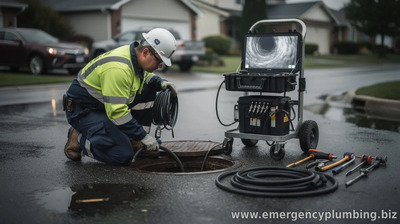
Sewer video inspections use a camera pushed through your drain or sewer line to document the inside condition of the pipe. The resulting report typically combines still images, video segments, measurements, and a scoring or description of defects. Learning what you’re looking at helps you ask the right questions and make informed decisions about repairs.
Although each company formats reports differently, most follow the same logic: identify where problems are, describe what the camera sees, grade severity, and recommend actions. Below are the most important sections—and how to interpret what your plumber is actually showing you. 1) Locate the problem: footage, distance, and direction
Most sewer reports reference footage that corresponds to a known point along the line—often using distance markers such as “distance from cleanout” or a similar measurement. The plumber may also indicate whether they’re inspecting from a particular access point and the pipe’s direction (for example, toward or away from the building).
What to look for: A clear start location, a stated distance scale, and a “problem segment” that corresponds to the defect seen in the video. If the report doesn’t make this obvious, ask your plumber to point to the exact timestamp/frame where the issue begins and ends. 2) Understand what the camera is showing: pipe condition and defects
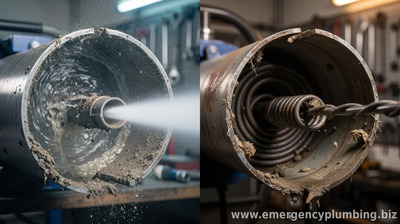
The report commonly summarizes the pipe’s condition using terms like corrosion, cracks, fractures, broken joints, root intrusion, deposits (scale/grease), scaling/offsets, or blockages. The images or video stills typically show the specific defect.
How to interpret it: A “crack” might appear as a thin opening along the interior wall, while a “broken joint” often looks like a misaligned area where segments no longer meet properly. “Root intrusion” usually shows fibrous growth entering through gaps. Deposits can narrow the pipe and may be shown as heavy coating along the bottom or sides.
Key question: Ask whether the defect is cosmetic/early-stage or whether it’s actively causing restricted flow or structural failure. 3) Severity scoring: what “grade” or “rating” means
Many companies assign a severity level or rating system—often aligned with industry practices or internal standards. The purpose is to translate visual findings into a comparable grade so homeowners and contractors can evaluate urgency.
What to look for: Definitions of the rating categories (e.g., minor/moderate/severe) and whether the rating reflects structural risk, flow restriction, or both. Two reports could show similar defects, but different severity grades depending on size, extent, or impact on hydraulics.
If the report lacks definitions, request them. A reputable plumber should be able to explain how their scoring connects to repair options. 4) Diameter, measurements, and evidence of flow restriction
Reports often include pipe diameter measurements and observations about obstructions. Even when the camera footage clearly shows a problem, numbers help confirm the practical impact.
Examples of what may appear: Reduced internal diameter from build-up, complete or partial blockage, standing water, or “sagging” (low spots) that can trap debris. The plumber may also note how far the camera could travel, which can indicate obstruction severity—even if the report’s defect list doesn’t fully capture it.
Key question: “Does this defect reduce flow or contribute to backups, and how much of the line is affected?” 5) Surface and material clues: joints, offsets, and corrosion
Where the report shows joints, offsets, or corrosion, it’s usually documenting structural vulnerabilities. Joints are typical entry points for infiltration and root growth, while offsets can create turbulence where debris accumulates over time.
What to look for: A description that ties visual signs to a likely cause—such as aging pipe, shifting soil, or repeated stress at joints. If the camera shows “deformation” or “offset,” the report may recommend structural repair rather than simple cleaning.
Practical takeaway: Cleaning can sometimes address deposits, but defects that create new gaps or allow roots/infiltration often require repair or rehabilitation. 6) What the recommendations actually mean (and when cleaning is enough)
Most inspection reports end with recommendations. These may include sewer cleaning (jetting), spot repairs, pipe lining (cured-in-place lining), full replacement, or monitoring. The correct option depends on whether the main issue is blockage, buildup, minor defects, or a larger structural problem.
How to decide if cleaning is the right answer: If the report primarily shows heavy deposits but otherwise sound pipe, your plumber may recommend targeted cleaning first. If the report shows multiple fractures, broken joints, significant offsets, or extensive root intrusion, repairs are usually necessary to prevent recurrence.
Key question: “Based on your findings, what’s the primary problem—flow restriction, structural damage, or both?”
When you watch the video alongside the report, you’re not just looking at “damage”—you’re verifying location, extent, and likely cause. That’s what turns a camera inspection from a generic assessment into a decision-ready document for repair planning.
If you’re reviewing a report with your plumber, ask them to walk through: the start location, the distance to each defect, the severity rating, and how those details support the specific repair recommendation. Clear answers usually indicate a thorough inspection and a repair plan matched to the actual problem inside the pipe.
| |

⏰ Dispatcher support 24/7
📞 224-754-1984CALL ☎ Subscribe 👆 FORUM 🗣
North Shore, Northwest suburbs of Chicago, IL
Next & Previous posts
Related articles:
![]()