

1:15 AM Illinois Home Sale: What Plumbing Inspectors Look For | |
In an Illinois home sale, the plumbing inspection is designed to verify that the home’s water, drainage, and ventilation systems work safely and reliably. Inspectors typically look for conditions that could cause leaks, backups, health risks, or premature failure, even when the plumbing appears to function normally. Water supply: pressure, shutoffs, and visible condition
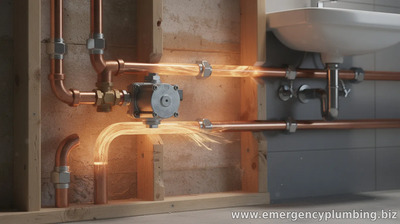
Inspectors often begin with the incoming water supply and distribution piping. They look for working shutoff valves, signs of corrosion, improper repairs, and plumbing that’s been modified in ways that compromise safety. Areas of attention commonly include visible supply lines, accessible valves, and whether components show active or repeated leakage. Leaks and moisture: hidden problems start with small signs
Even minor seepage can become a major issue, so inspectors check for evidence of past or ongoing leaks—such as water staining, rust trails, damp insulation, or water pooling in basements, crawlspaces, or around fixtures. They may also evaluate the condition of pipe supports and fittings, since loose or deteriorated connections can fail over time. Drainage and venting: preventing backups and sewer gas
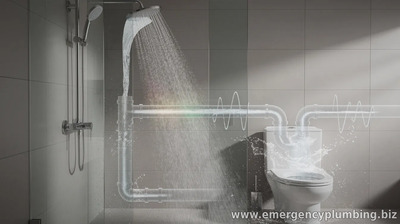
A core part of any home plumbing inspection is verifying that drains flow correctly and that the system is properly vented. Inspectors check for problems like blocked or undersized venting, improperly installed or missing vents, and drainage configurations that could cause slow draining, gurgling, or recurring clogs. Proper venting also helps prevent sewer gas from entering living spaces.
For toilets, sinks, tubs, and other fixtures, inspectors typically evaluate whether they drain without backing up and whether the water flow patterns suggest correct venting. While specific tests vary by inspector and the scope of the inspection, the goal remains the same: reduce the risk of costly repairs after closing. Fixtures, traps, and seals: code-minded details that matter
Inspectors commonly examine fixture connections and key components such as P-traps (or their functional equivalents), seals, and gaskets. They look for missing or incorrect traps, leaking fixture fittings, and installations that can allow odors or gases to escape. In kitchens and bathrooms, visible caulking and mounting details can also be assessed as indicators of whether water intrusion is being managed effectively.
Quality of installation is especially important around water-sensitive areas like showers, tubs, and laundry areas. Inspectors may look at how fixtures are connected and whether any accessible plumbing joints appear damaged, improperly joined, or at risk of leakage. Hot water system and accessibility
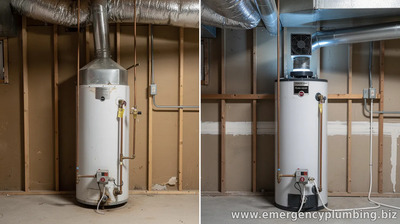
Most Illinois inspections include evaluation of the water heater and related components as part of plumbing safety. Inspectors may check for evidence of leaks, safe venting (if applicable to the fuel type), adequate clearance, and whether the installation appears serviceable and maintained. Accessibility matters too: systems that are difficult to inspect or that show poor installation practices may raise flags for further evaluation.
Depending on the inspection scope, inspectors may also observe pressure-related items, temperature controls, and whether the system’s condition suggests it could be nearing the end of its service life. Common red flags during Illinois home plumbing inspections
While every property is different, buyers and sellers often encounter similar issues. Inspectors may flag:
If any of these conditions are found, the inspector’s next step is usually to document what’s visible and recommend further testing or repair by a licensed professional when needed.
For buyers, review the inspection report carefully and ask whether concerns are cosmetic, safety-related, or likely to worsen. For sellers, consider a pre-listing plumbing check so repairs can be handled before negotiations start. In Illinois, planning for plumbing inspection findings can help keep transactions moving and reduce surprises after closing.
| |
⏰ Dispatcher support 24/7
📞 224-754-1984CALL ☎ Subscribe 👆 FORUM 🗣
North Shore, Northwest suburbs of Chicago, IL
Next & Previous posts
Related articles: