1:45 AM Main Sewer Line Backup: Emergency Steps Before the Plumber Arrives | |
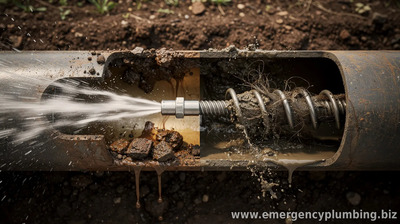
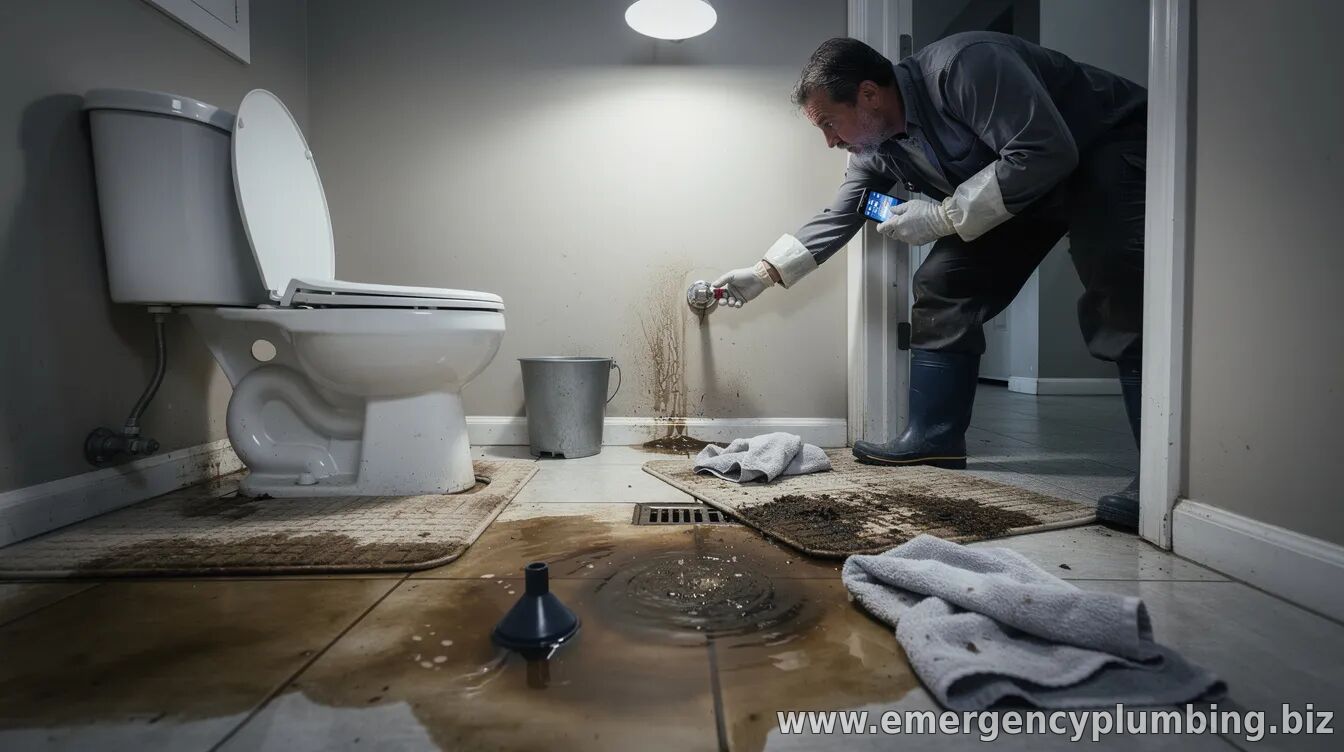
A main sewer line backup can cause sewage to rise in drains and toilets, trigger unpleasant odors, and—if ignored—lead to costly water damage. While waiting for a plumber, your best priority is to reduce contamination and prevent further backup. 1) Stop water use immediately
To prevent more sewage from pushing back into your home, stop running water and avoid flushing. If you have an automatic ice maker or washing machine, turn off their water supply or pause their cycle so they don’t add more water to the system. 2) Keep sewage contained and away from living areas
If you notice gurgling drains or rising water, close doors to affected areas and keep people and pets out. If possible, place towels or absorbent barriers around any spread points (without stepping into contaminated water). Avoid tracking water through the home. 3) Shut off the water supply when appropriate
If a toilet or plumbing fixture is actively overflowing or you suspect the problem is worsening, shut off your home’s main water supply to stop incoming water. In many homes, you can do this at the main shutoff valve; if you’re unsure, focus on minimizing use rather than delaying. 4) Don’t use harsh chemicals
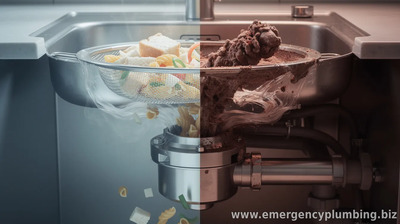
A common mistake is pouring chemical drain cleaners into backed-up lines. In a main line event, these products can be dangerous to handle, create harmful fumes, and may damage plumbing or make troubleshooting harder. Stick to mechanical or safety-focused actions only.
Also avoid attempting aggressive plunging or snaking into a fully backed main line unless you know what you’re doing—pushing clogs deeper can worsen the backup and increase the risk of exposure. 5) Ventilate and protect yourself
If you must approach the affected area, ensure good ventilation and wear protective gear if available. At minimum, consider gloves and eye protection; avoid direct contact with sewage and do not breathe in fumes. If the odor is strong or symptoms like dizziness occur, step away and wait for professional help.
Take note of what you see—which drains are affected, whether toilets back up, water levels, when it started, and any prior events (tree roots, recent clogs, heavy rainfall, plumbing repairs). This information helps a plumber diagnose faster and decide on the right equipment. 6) Call the right help
Contact a licensed plumber or your local sewer service immediately. If sewage is actively flooding or entering areas where it can spread quickly, consider emergency services and/or your homeowner’s insurance guidance. For safety, follow local advice—especially if there’s any risk to electrical systems.
If your home has a cleanout accessible on the property or near the main line, avoid opening it unless you’re trained and equipped; a main line backup can surge unexpectedly. A professional will determine whether and how to use it without increasing exposure. What to do when the plumber arrives
Before the technician starts, point out affected fixtures, show photos or videos if you took them, and share the timeline. Ask the plumber to explain what caused the backup (for example, a clog, grease buildup, collapsed pipe, or roots) and what steps will prevent recurrence.
After the issue is cleared, you may need sanitizing and damage assessment—especially if sewage contacted floors, carpets, drywall, or insulation. Acting quickly can reduce lingering odors and long-term damage
| |
⏰ Dispatcher support 24/7
📞 224-754-1984CALL ☎ Subscribe 👆 FORUM 🗣
North Shore, Northwest suburbs of Chicago, IL
Next & Previous posts
Related articles: