

2:50 AM Spring Plumbing Checklist After an Illinois Winter | |
Winter weather in Illinois can be hard on home plumbing. Freeze-thaw cycles, sudden temperature swings, and indoor heating can contribute to small leaks, weakened seals, and drainage issues that may not be obvious until spring. A quick, methodical inspection now can help you catch problems early and reduce water waste and repair costs. Start with the water shutoffs and visible plumbing
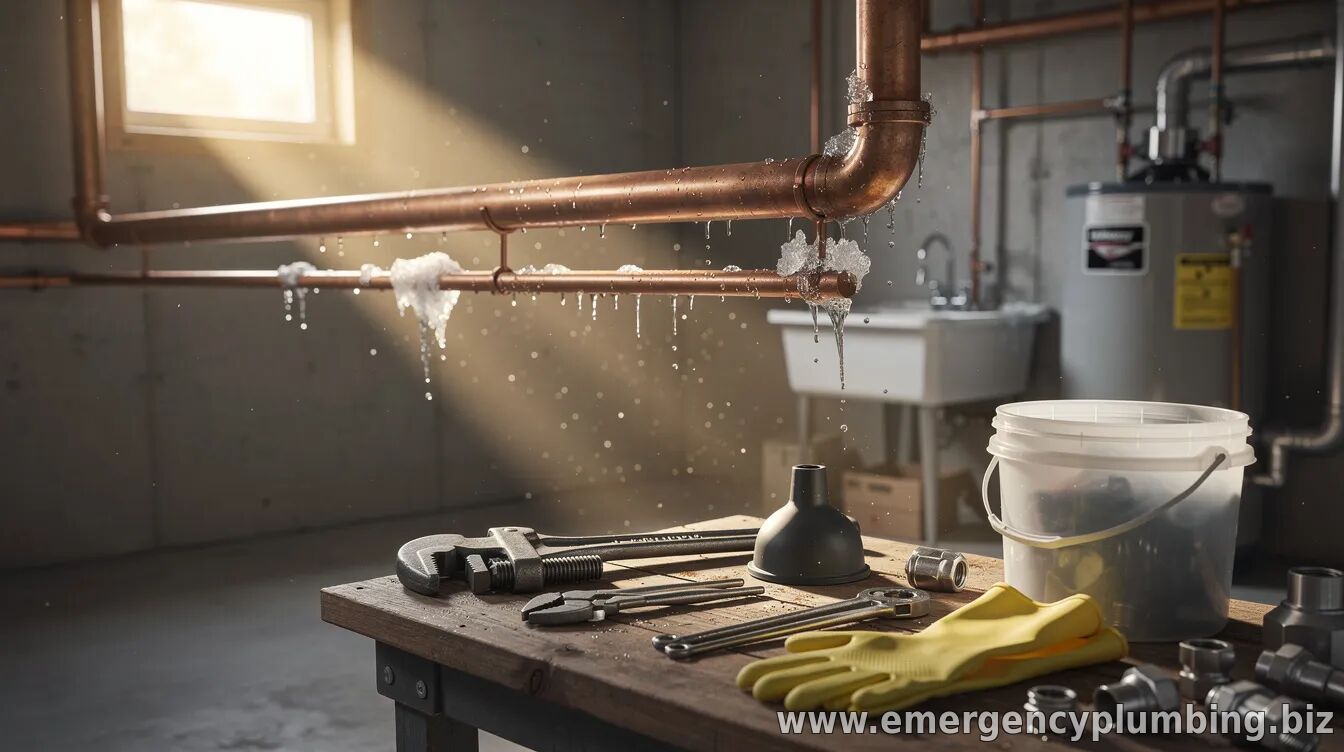
Before digging deeper, confirm you know where your main shutoff valve is and that it turns fully. Then inspect exposed pipes, faucets, under-sink plumbing, and any visible connections for dampness, corrosion, or mineral buildup that can indicate slow leaks. Pay special attention to areas near exterior walls, where pipes may run through unconditioned spaces. Check for leaks and water pressure changes
Next, scan for subtle signs of leaks. Look for water spots on ceilings and near plumbing fixtures, check under sinks and around toilets for moisture, and listen for running water when everything is turned off. If your water pressure seems lower than usual, it could be related to a partial blockage, a valve left in an unusual position, or an issue with the supply line.
If your home has a water meter, a simple flow test can be helpful: note the meter reading, avoid using water for a short period, and see if the meter changes. Any movement can point to a leak somewhere in the system. Inspect toilets, drains, and sewer/waste lines
Toilets should be checked for silent leaks—common signs include a bowl that slowly changes water level or continued refilling after flushing. For drainage, run water in multiple fixtures and observe whether water drains quickly and completely. If you notice slow drains or gurgling, the issue may be a clog, venting problem, or buildup that worsened during winter.
Also check cleanouts if your home has them. If you experience recurring backups, it may indicate a deeper issue that’s best handled by a qualified plumber.
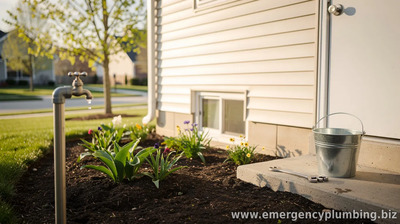
Make sure exterior drains and hose bibs are working properly. In many Illinois homes, outdoor plumbing is the first place freeze damage shows up in spring. Inspect hose connections, check for cracks or missing insulation, and confirm that any backflow preventers are seated correctly. Review water heater and safety features
Your water heater should receive a seasonal check. Look for signs of rust, puddling, or unusual odors around the unit and connections. If the system has a temperature and pressure (T&P) relief valve discharge pipe, ensure it’s properly routed and not leaking. If you’re due for routine maintenance or you notice inconsistent hot water, consider scheduling service.
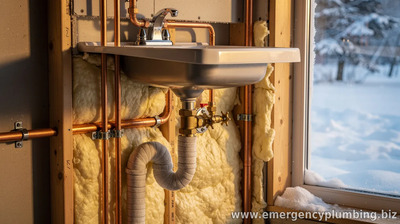
Finally, take a moment to review insulation on pipes—especially those in garages, basements, crawl spaces, and near exterior walls. Adding or replacing insulation and sealing gaps can help prevent winter damage before it starts.
By completing these steps in early spring, you can address common post-winter plumbing problems—leaks, drainage slowdowns, and freeze-related wear—before they grow into more expensive repairs.
| |
⏰ Dispatcher support 24/7
📞 224-754-1984CALL ☎ Subscribe 👆 FORUM 🗣
North Shore, Northwest suburbs of Chicago, IL
Next & Previous posts
Related articles: