
1:13 AM Medical & Laboratory Plumbing Installation: Key Requirements | |
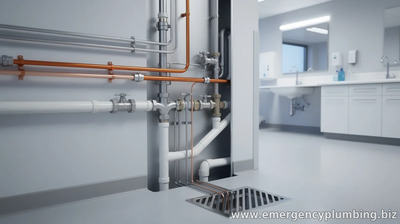
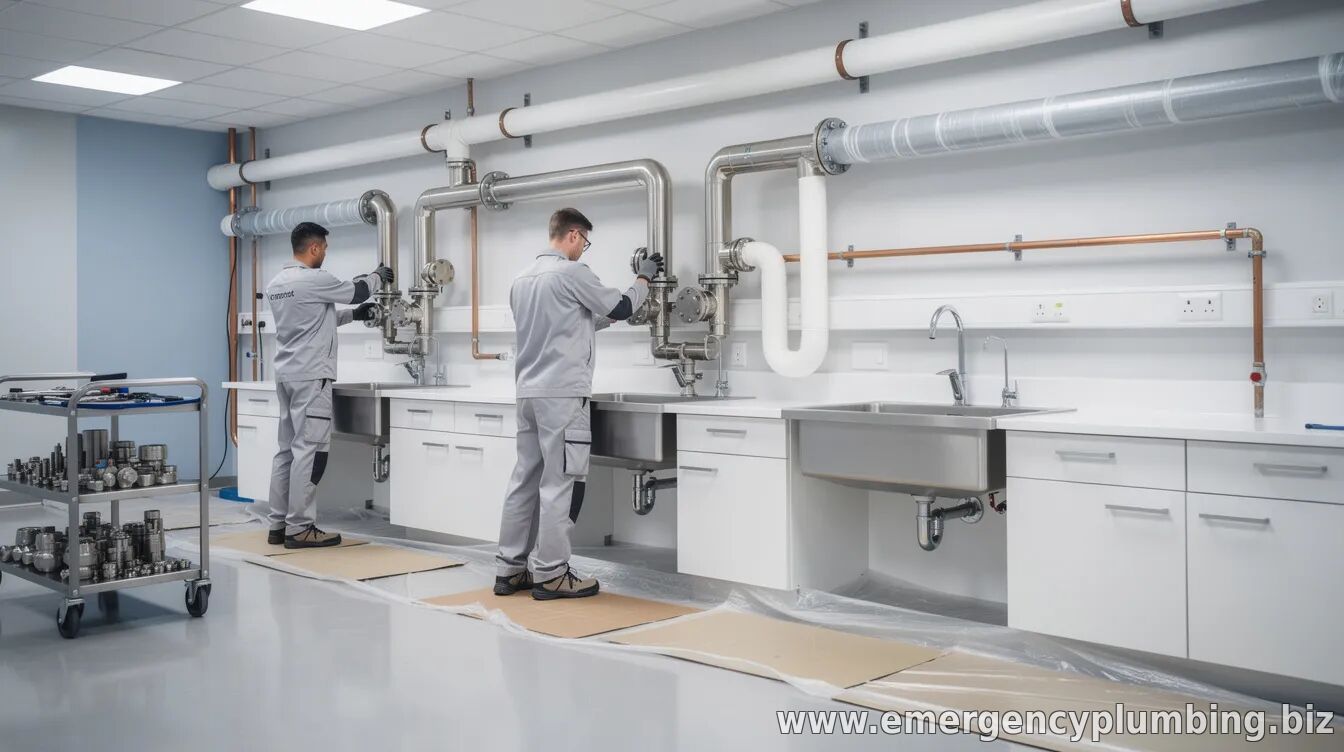
Medical and laboratory plumbing installation is not just a facility upgrade—it’s a safety-critical utility. Because these spaces support clinical care, specimen handling, and controlled experiments, the plumbing design and installation must reduce risks related to contamination, cross-connections, pressure fluctuations, and water quality variability.
In practice, installers and engineers focus on compliance with applicable plumbing codes and health-related standards, selecting appropriate materials and fixtures, and verifying system performance through documented commissioning and testing. Proper layout and hydraulics also matter, especially where precise drainage, controlled supply pressures, and reliable hot water (when required) are essential for daily operations. Materials, water quality, and chemical compatibility
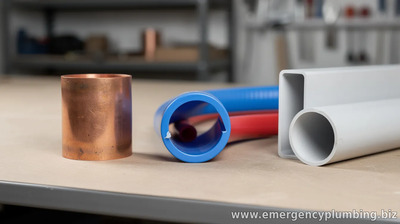
Material selection is a primary driver of performance in healthcare and laboratory environments. Systems must be compatible with the water chemistry, disinfectants, and cleaning chemicals used on-site. Depending on the application, projects often specify corrosion-resistant piping and fittings, appropriate valves, and fixtures designed to limit stagnation and support safe maintenance.
For certain lab functions, facilities may also require targeted filtration, treatment, or specialty supply configurations. Where applicable, designers plan for easy access to components for inspection, sampling, and replacement—without disrupting clinical workflows. Backflow prevention and cross-connection control
Cross-connection prevention is a cornerstone of medical and laboratory plumbing. Installations typically include backflow prevention devices tailored to risk levels, alongside procedures that help prevent potable water from being contaminated by non-potable or process fluids. This is especially important for sinks, eyewash stations, drains connected to process areas, and any point where water quality could be compromised.
Beyond hardware, system verification matters. Commissioning activities commonly include checking backflow assemblies, testing for correct installation orientation, confirming proper discharge routing, and maintaining documentation for ongoing inspection schedules. Drainage, ventilation, and contamination control
Laboratories often generate waste streams that require reliable drainage to prevent pooling, odors, or unintended mixing. Good installation practices include correct pipe sizing, slope, venting strategies, and trap configurations to maintain drainage performance under variable use patterns.
Where local regulations and facility requirements demand it, design teams may use segregation approaches for drainage from different zones, ensuring that higher-risk effluents do not share plumbing pathways with general drainage. Installers also account for cleanout access, leak detection, and ease of maintenance to reduce downtime. Installation quality, commissioning, and documentation
Even when materials and designs are correct, installation workmanship determines whether systems perform as intended. High-priority items include pressure testing, flushing and cleaning procedures, securing supports to prevent vibration or stress, and ensuring joints and connections meet specifications.
After installation, commissioning typically includes functional verification—such as checking flow rates, temperatures where required, drain behavior, and backflow device operation. For healthcare environments, facilities also benefit from clear operating and maintenance documentation, including inspection intervals and responsibilities.
For project owners and facility managers, the best outcomes come from early coordination between designers, installers, infection-control stakeholders, and operations teams. When requirements are defined up front and testing is treated as part of the build—not an afterthought—medical and laboratory plumbing systems can deliver safer performance, lower maintenance burden, and improved reliability over the system lifecycle.
| |
⏰ Dispatcher support 24/7
📞 224-754-1984CALL ☎ Subscribe 👆 FORUM 🗣
North Shore, Northwest suburbs of Chicago, IL
Next & Previous posts
Related articles: