

2:35 AM Pipe installation: considerations for new builds and remodeling | |
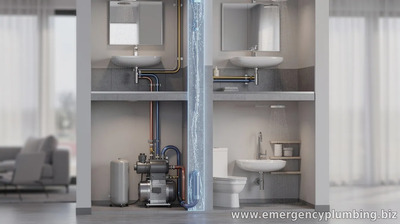
Whether you’re starting fresh with a new build or reconfiguring a current layout, proper pipe installation is foundational to a reliable plumbing system. From supply lines to drainage, the choices you make early will influence performance, maintenance, and long-term costs.
Plumbers typically navigate a web of local codes, manufacturer standards, and permit requirements. Factoring these into the planning phase helps avoid work stoppages and ensures inspections pass on the first try. A well-documented plan also supports smoother coordination with electricians, HVAC teams, and contractors.
Key considerations
Material selection matters as much as layout. Copper and PEX are common in modern homes, each with pros and cons for durability, freeze resistance, and ease of installation. For drainage, PVC or ABS remains standard for most sewer and vent lines. Consider climate, anticipated water pressure, and potential chemical exposure when choosing materials.
Layout decisions affect future maintenance and efficiency. Short, straight runs reduce pressure drops, while avoiding hard-to-reach joints minimizes leak risk. In remodels, re-piping often encounters existing walls and foundations, requiring careful mapping and sometimes wall restoration after the job.
Code compliance and safety
Local codes dictate pipe sizing, fixture connections, and backflow prevention. Permits are typically required for new installations or major retrofits. Ensure all work is inspected at necessary milestones to avoid costly rework and insurance issues.
Water efficiency standards influence fixture selection and pipe sizing. Installing pressure regulators or boosting energy efficiency with temperature control can yield long-term savings and reduce systemic wear on pipes.
Installation steps and best practices
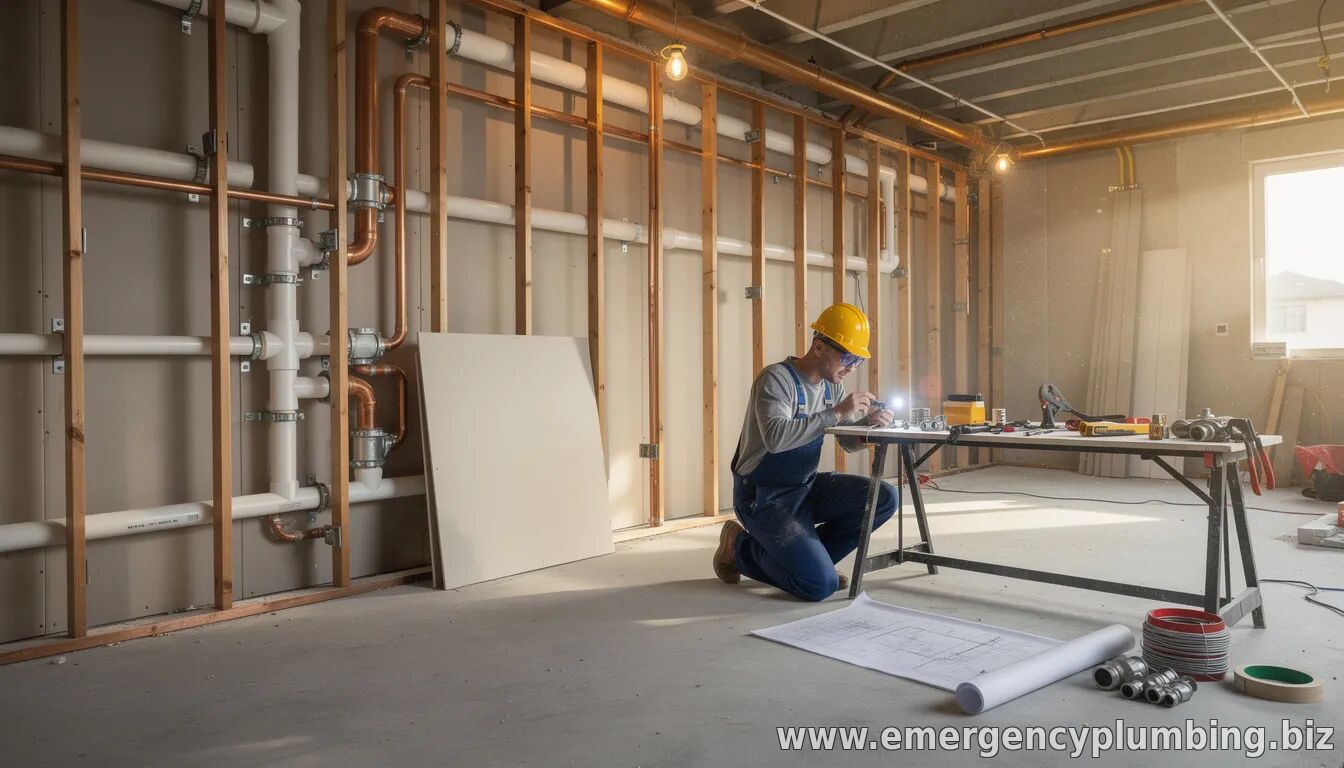
Develop a detailed as-built plan, then coordinate material deliveries to match the work schedule. Use proper support and hangers to prevent sagging. Test each segment for leaks before concealing walls, and document all changes for future maintenance and resale.
Finally, budget a contingency for unexpected encounters—old walls, concealed soldering requirements, or hidden utilities can alter timelines and costs. A proactive approach and clear communication with your contractor are essential for a smooth installation.
| |
⏰ Dispatcher support 24/7
📞 224-754-1984CALL ☎ Subscribe 👆 FORUM 🗣
North Shore, Northwest suburbs of Chicago, IL
Next & Previous posts
Related articles: