

6:38 AM Booster Pumps: Fixing Low Water Pressure in Multi-Story Homes | |
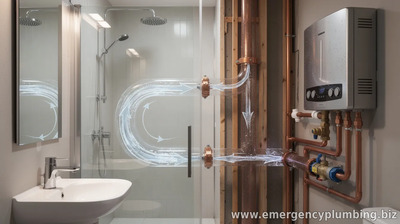
Low water pressure is a common complaint in multi-story homes, where showers run weakly, faucets sputter, and appliances struggle to perform. While it can be caused by clogged pipes or leaks, insufficient pressure from the municipal supply is also a frequent driver—especially at the far end of a distribution line or on higher floors.
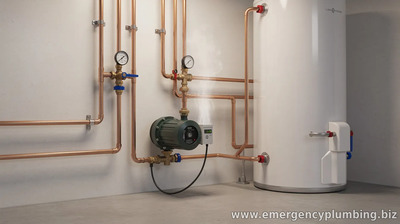
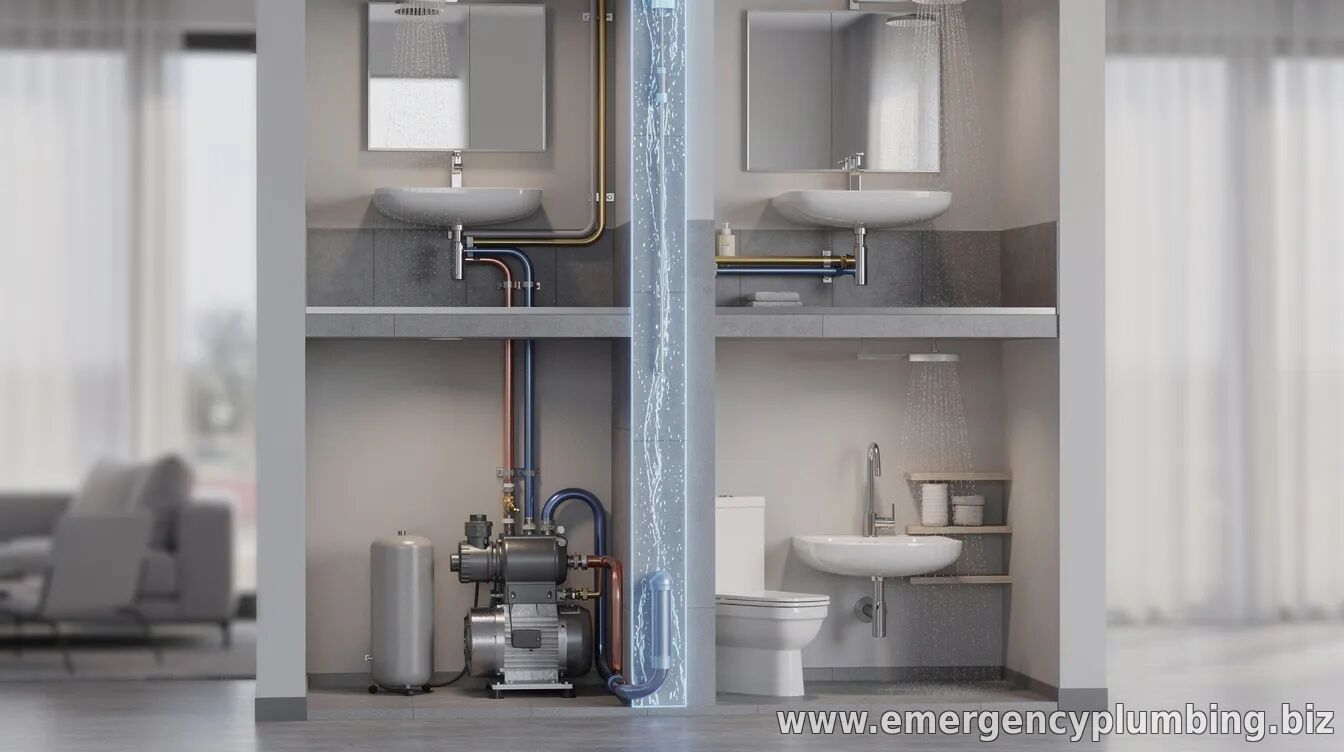
Booster pumps offer a practical solution when gravity and distance prevent water from reaching every fixture with adequate force. When chosen and installed properly, they can deliver steady pressure for bathrooms, laundry, and even pressure-sensitive appliances. Why pressure drops in tall homes
Water pressure can decrease as water travels farther from the source and as elevation increases. In multi-story properties, the pressure needed to push water uphill can be substantially higher, and small losses throughout the system—like narrower pipe sections, partially closed valves, or aging fittings—can compound the problem.
Before treating it as a “pump problem,” it’s important to identify whether the issue appears throughout the home or only on upper floors, and whether it worsens at certain times of day (which can indicate municipal supply variability). When a booster pump is the right fix
A booster pump typically makes sense when pressure is consistently low across multiple fixtures, particularly on upper levels, and other household issues have been ruled out. Common pre-checks include inspecting for visible leaks, confirming the main shutoff valve is fully open, and checking the pressure regulator (if present) for malfunction.
Homeowners may also consider whether a single point of failure exists—like a clogged aerator or failing fixture cartridge—or whether the pattern suggests a whole-home supply shortage. How to size and choose the pump
Proper pump sizing is the difference between a quick improvement and an unreliable system. The key variables include required flow rate (how many fixtures you want to run effectively at once), total dynamic head (the combined effect of elevation and friction losses), and the home’s existing pressure baseline.
Most modern booster systems include pressure controls designed to start and stop based on demand. Selecting a unit with appropriate capacity and a control strategy that avoids short-cycling is essential for comfort and pump longevity.
Installation and safety considerations
Booster pumps should be installed with attention to correct plumbing connections, check valves (to prevent backflow), and appropriate filtration to reduce damage from sediment. Electrical work must comply with local codes, and the system should include protective devices such as circuit protection and proper grounding.
Because pumps can increase pressure beyond what the home’s plumbing can safely handle, installers typically target a controlled setpoint and verify that pressure-sensitive components—like some water heaters, fixtures, and supply lines—are rated for the resulting operating conditions. What homeowners should monitor after the upgrade
After commissioning, consistent performance is the goal: faucets should deliver smooth flow, showers should maintain temperature and pressure without sudden surges, and appliances should cycle normally. If pressure rises too high, homeowners may notice leaks at aging joints or damage to valves and fixtures over time.
Regular maintenance—such as checking filters, monitoring pump cycling behavior, and periodically verifying pressure settings—helps preserve efficiency and reduces wear. If problems persist despite a correctly installed system, it may indicate upstream supply issues, internal obstructions, or the need for system rebalancing.
For multi-story households experiencing chronic low pressure, a booster pump can be more than a convenience upgrade—it can be a reliability fix. The best results usually come from careful diagnosis first, accurate sizing based on the home’s demand and elevation, and a control setup that delivers stable pressure without stressing the rest of the plumbing system.
| |
⏰ Dispatcher support 24/7
📞 224-754-1984CALL ☎ Subscribe 👆 FORUM 🗣
North Shore, Northwest suburbs of Chicago, IL
Next & Previous posts
Related articles: