

2:42 AM Power Vent vs. Direct Vent Water Heaters: Key Differences | |
Choosing the right water heater often comes down to how it handles combustion air and exhaust. Two common options—power vent and direct vent—may look similar from the outside, but they differ in how they pull in air, vent gases, and perform in different installation scenarios.
Below is a practical breakdown of how they work, where each is typically used, and what to consider before upgrading or replacing a unit. How a power vent water heater works
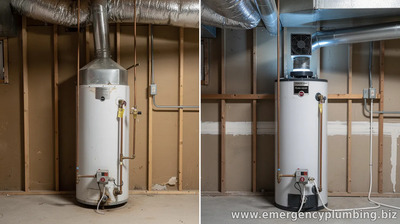
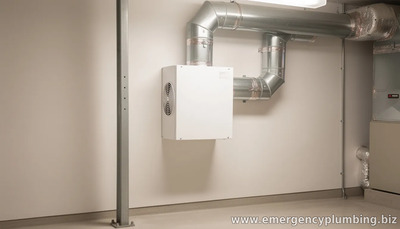
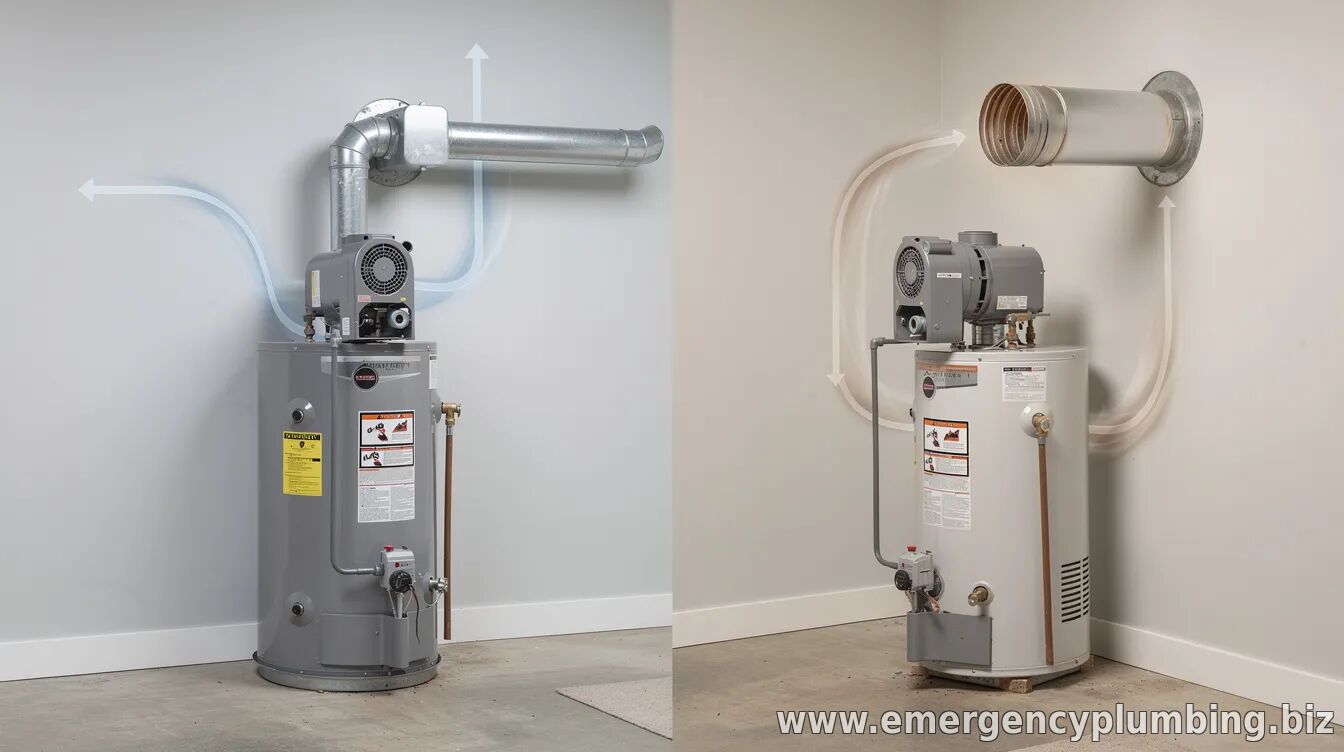
A power vent water heater uses a fan (the “power vent”) to move combustion gases out through the vent system. The key point is that the unit generally draws combustion air from the surrounding indoor space or from a dedicated air intake, depending on the installation and the specific model.
Because the fan assists with exhaust, power vent systems can be a good fit when standard venting requirements are hard to meet. However, since combustion air is not fully sealed off from the indoor environment in the typical design, placement and room conditions still matter. How a direct vent water heater works
A direct vent water heater is designed as a more sealed approach. It typically uses a system that brings fresh outdoor air in and sends exhaust gases out through a dedicated vent connection—often through a concentric vent arrangement (or an equivalent paired intake/exhaust setup).
This separation means the heater’s combustion process isn’t dependent on the air quality or airflow of the indoor space, which can be advantageous in tightly sealed homes or where indoor air is carefully managed. Key differences at a glance
Both technologies use mechanical assistance to manage exhaust, but their ventilation “source” and air mixing characteristics differ:
Installation considerations that affect your choice
Your home’s layout and ventilation strategy can determine which option is easier and safer to install. For example, if routing intake and exhaust through an exterior wall is practical, a direct vent unit may streamline design by keeping combustion air and exhaust separated. If you’re retrofitting into an existing setup where outdoor intake is less straightforward, a power vent solution may better match current venting pathways.
Local building codes, manufacturer instructions, and vent-length limits can also influence feasibility. In many cases, the “right” choice isn’t just the heater type—it’s whether the venting design can meet the required materials, clearances, and airflow performance for your specific model. Comfort, safety, and performance expectations
Both power vent and direct vent units include safety controls and are engineered to exhaust combustion byproducts correctly when installed as specified. Still, homeowners often consider direct vent designs when indoor air quality, pressure management, or tight construction makes room air a less reliable combustion source.
Performance can vary by brand, burner design, and the energy factor of the unit rather than the venting label alone. The most reliable way to compare is to evaluate efficiency ratings, capacity, warranty terms, and—critically—whether the venting system will be installed according to the manufacturer’s requirements.
Bottom line: Choose power vent when you want fan-assisted exhaust and the installation environment can safely provide combustion air as required. Choose direct vent when you want combustion air drawn from outdoors and a more sealed separation between indoor air and the heater’s exhaust system.
If you’re deciding between the two for a replacement, ask a qualified installer to review your current venting route, indoor air conditions, and code requirements—then compare models using the same fuel type and sizing approach.
| |
⏰ Dispatcher support 24/7
📞 224-754-1984CALL ☎ Subscribe 👆 FORUM 🗣
North Shore, Northwest suburbs of Chicago, IL
Next & Previous posts
Related articles: