

0:52 AM Preparing Your Plumbing for a Chicago Winter: Checklist | |
Chicago’s cold snaps can turn small plumbing issues into expensive emergencies. The key is preparation: identify where water can freeze, insulate what needs protection, and ensure you can shut off or drain water quickly if temperatures drop unexpectedly. 1) Inspect pipes and plumbing weak points
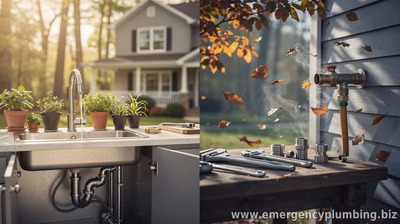
Start with a walkthrough of your home’s most vulnerable plumbing areas. Check pipes in unheated spaces such as basements, garages, crawlspaces, and utility rooms. Pay special attention to locations near exterior walls, around windows, and anywhere pipes run through—or connect through—insulated walls. 2) Insulate before the deep cold
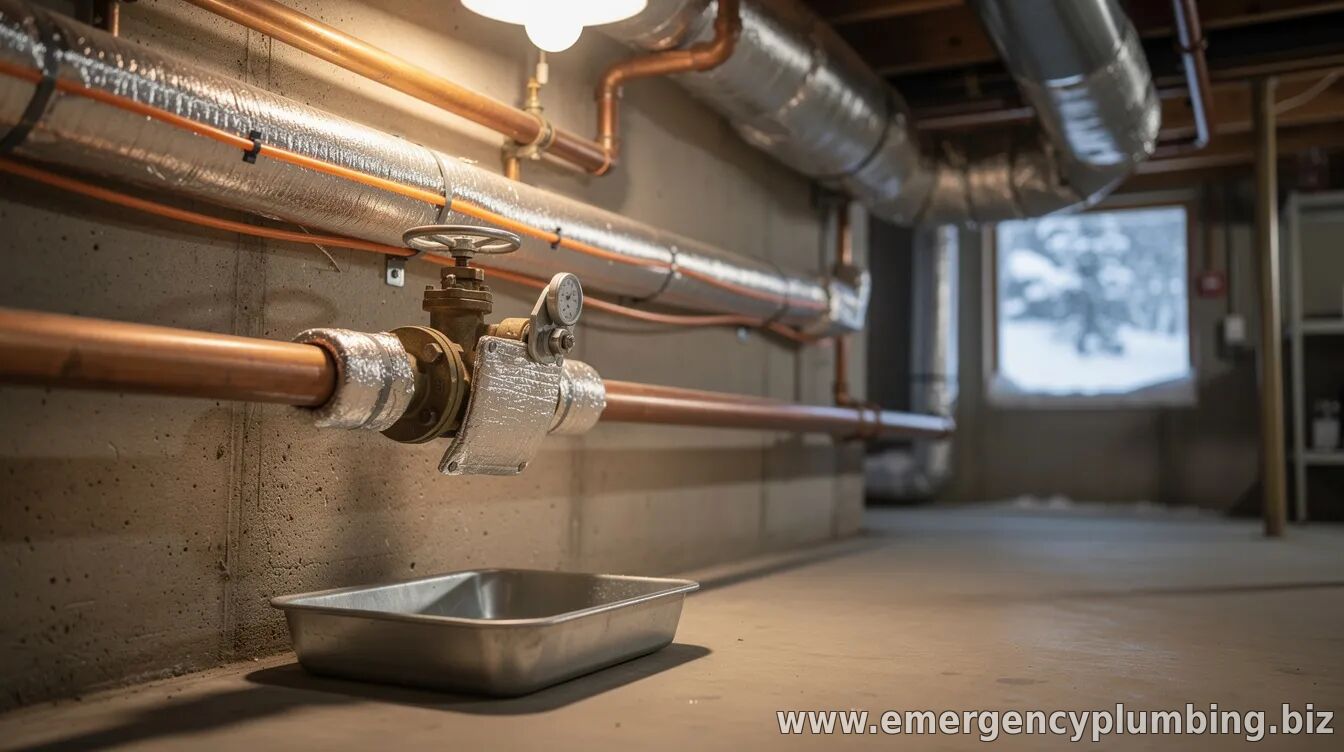
Insulate exposed hot and cold water pipes using foam pipe sleeves or fiberglass insulation rated for residential use. Focus on sections that are exposed to outside air, including short runs near exterior doors or vents. If you have older or poorly insulated piping, prioritize those first; insulation works best as a barrier before temperatures fall, not after freezing begins.
Also consider insulating the area around pipes, not just the pipe itself. Any gap between insulation and the wall can leave cold air paths that reduce protection. 3) Protect outdoor plumbing
Outdoor hose bibs (sill cocks) are frequent winter problem spots. Use insulated covers designed for Chicago conditions, and disconnect garden hoses completely. If your system includes frost-free spigots, confirm they’re functioning properly and still consider protection, since wind-driven cold can stress fittings.
If you have irrigation lines, shut off the water supply and drain the system according to your irrigation controller’s or provider’s instructions. For sprinkler systems, confirm that water has been fully cleared from lines to avoid freezing and cracked components. 4) Set your indoor temperature strategy
Cold air and drafts can freeze pipes even indoors. Keep your home heated consistently—especially overnight—at a temperature high enough to prevent pipes from dropping below freezing. If you have rooms you rarely use, consider maintaining minimum heat there rather than letting the temperature fall dramatically.
Seal drafts around openings that can bring cold air close to plumbing runs. Common sources include gaps around ductwork, crawlspace vents, and wall penetrations for plumbing. 5) Know where the shutoff valves are
Before winter arrives, locate your main water shutoff and any individual fixture or branch shutoffs. Practice turning them so you know what to expect in an emergency. If valves are stiff or difficult to turn, address that now—many homeowners only discover problems after a leak starts.
Label shutoffs clearly, especially if multiple family members may need to act. In a plumbing emergency, speed matters. 6) Reduce risk during extreme cold
During forecasted deep freezes, take preventive actions. Letting a small trickle of water move through vulnerable fixtures can reduce the chance of freezing, but it’s most useful for exposed pipes or intermittent-use areas. If you have to leave home for multiple days, don’t ignore the risk—verify temperatures and insulation are adequate before you go.
For homes with older plumbing, ensure you understand which fixtures connect to the most exposed pipe runs, then focus on those areas first. 7) Drain and prepare the right systems
Not every home needs draining in the same way, but certain seasonal systems do. Outdoor lines should be drained and protected. If you have a pool, spa, or water feature with plumbing lines exposed to freezing temperatures, follow the season-closing instructions from the manufacturer or installer.
If you plan to close up a vacation property, treat it as a special case: consult a local plumbing professional to confirm whether winterization (including antifreeze procedures where appropriate) is needed for your setup. 8) Test key systems and monitor for leaks
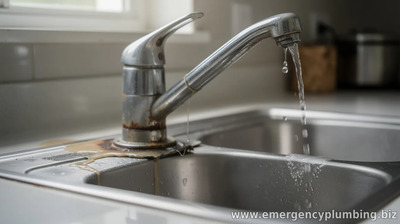
Check for existing slow leaks around faucets, toilets, water heaters, and under-sink fittings. Water that drips or collects in vulnerable areas can worsen freezing risk and signal components that need attention before winter. Also confirm that your water heater is functioning normally and that there aren’t unusual noises or temperature fluctuations.
In extreme weather, consider simple monitoring: a visual check of exposed pipes and fixtures can catch issues early, before a freeze becomes a burst. 9) Emergency preparedness
Create a basic winter response plan. Keep towels and a bucket accessible for small leaks, and ensure you have a clear path to shutoffs. If a pipe appears to be freezing, avoid applying direct heat to one spot for long periods—use safe, controlled warming methods and prioritize shutting off water if needed.
If you’re unsure about any part of your plumbing layout—especially in crawlspaces, behind walls, or around older pipe networks—getting a professional check before the season can prevent surprise failures.
By combining insulation, targeted outdoor protection, consistent indoor heat, and known shutoff access, you can dramatically reduce the odds of frozen pipes and water damage during Chicago’s winter months.
| |
⏰ Dispatcher support 24/7
📞 224-754-1984CALL ☎ Subscribe 👆 FORUM 🗣
North Shore, Northwest suburbs of Chicago, IL
Next & Previous posts
Related articles: