
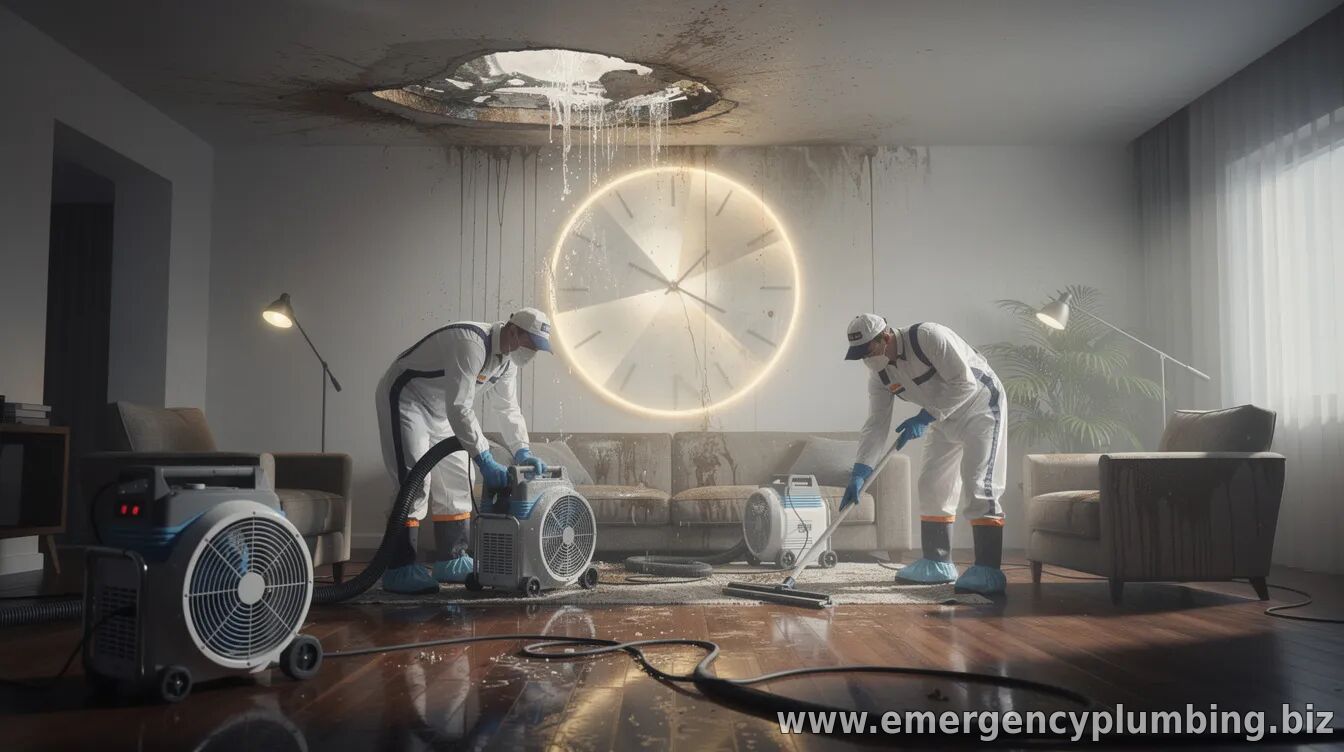
3:44 AM Water Damage Restoration: What to Do in the First 24 Hours | |
Water damage can escalate quickly—often within the first day. Whether the cause is a burst pipe, roof leak, flooding, or an appliance failure, the goal in the first 24 hours is the same: limit contamination, remove excess water, and start controlled drying before secondary damage sets in.
Restoration teams typically judge success not only by visible cleanup, but by how thoroughly and how fast moisture is addressed in building materials. 0–2 hours: Contain the problem and protect occupants
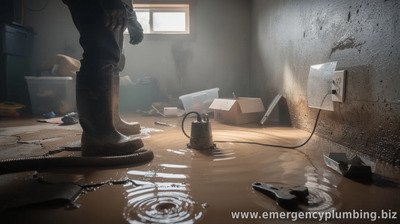
As soon as the leak or flooding is discovered, prioritize safety and containment. Stop the source if you can do so without risk, turn off electricity to affected areas if standing water is present, and prevent people and pets from walking through water. If the water appears contaminated (sewage, overflowing toilets, or unknown sources), treat it as higher risk and seek professional guidance immediately. 2–4 hours: Document and begin water removal
Before cleanup proceeds too far, document what happened. Take photos of affected areas, note when the damage started, and record any visible materials that may be compromised. This information helps with insurance claims and guides restoration planning.
At the same time, extraction and removal should begin. Standing water fuels continuing moisture migration into drywall, insulation, flooring, and subfloors. The longer water remains, the more likely it is to affect structural elements and increase cleanup scope. 4–12 hours: Drying strategy begins (not guesswork)
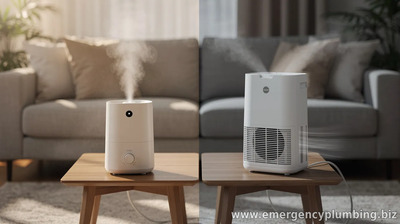
Effective drying relies on more than fans and dehumidifiers placed “somewhere.” Restoration professionals use moisture mapping and measure key conditions—such as humidity levels and material moisture content—then apply an airflow plan matched to the affected materials.
This stage also includes removing saturated materials when necessary (for example, waterlogged drywall or insulation) to reduce ongoing moisture loads. Containment steps may be used to keep affected areas isolated during removal and drying. 12–24 hours: Monitor, verify, and prevent secondary damage
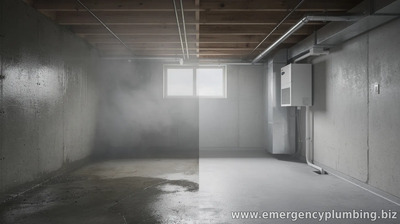
During the final portion of the first day, the focus shifts to verification and mold-prevention measures. Restoration teams continue controlled drying, monitor temperature and humidity, and re-check moisture readings to confirm that materials are moving from wet to drying states.
If conditions indicate higher mold risk—particularly with contaminated water or materials that remain damp—additional mitigation steps may be implemented. Even in clean-water scenarios, speed matters because microbial growth can begin when materials stay wet. Why the first day is a turning point
Moisture doesn’t stay where it lands. Water can wick into porous materials and travel through edges, cavities, and subfloor spaces. Early drying reduces the time materials spend above moisture levels that support microbial growth and limits the chance that occupants will face lingering odors or recurring dampness.
In short, the first 24 hours influence everything that follows: what can be saved, how long restoration takes, and what additional remediation might become necessary. When to call a professional
If the water is extensive, involves multiple rooms, appears contaminated, or includes hard-to-access spaces (crawlspaces, behind walls, or under flooring), professional restoration is the safer and often faster route. Specialists bring equipment for extraction, drying, and monitoring, plus experience in selecting the right approach for different water types and building materials.
Even smaller events benefit from prompt action. If drying doesn’t progress noticeably within a day, or if moisture readings remain elevated, a deeper assessment is warranted.
The takeaway is simple: time is a restoration tool. Acting quickly in the first 24 hours—containing risk, removing water, initiating monitored drying, and verifying results—can make the difference between recoverable damage and a much larger remediation process.
| |
⏰ Dispatcher support 24/7
📞 224-754-1984CALL ☎ Subscribe 👆 FORUM 🗣
North Shore, Northwest suburbs of Chicago, IL
Next & Previous posts
Related articles: