

3:11 AM Toilet Leaking at the Base: Common Causes & Fixes | |
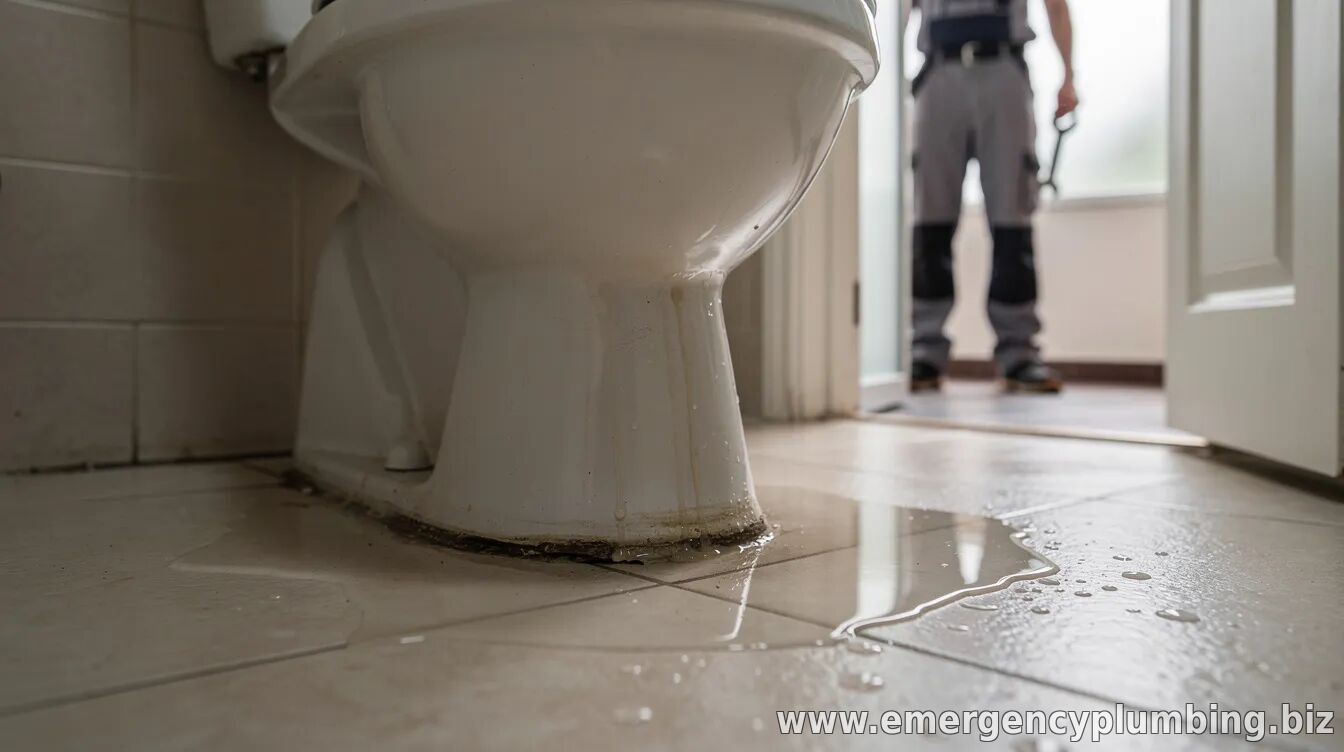
A toilet leaking at the base is more than an annoyance—standing water can damage floors, cause mold, and weaken subflooring over time. The leak often points to a problem at the toilet-to-flange seal, but it can also come from bolts, cracks, or nearby plumbing. Most common causes of a base leak
The wax ring (or an alternative sealing gasket) sits between the toilet and the flange in the floor. When that seal fails, water can seep out at the base during or after flushing.
Loose mounting bolts are another frequent culprit. If the toilet shifts even slightly, the seal can break down and start leaking, especially when someone sits on the bowl or when the tank refills and the toilet flexes.
Cracks in the toilet’s base or hairline damage to the porcelain can also lead to leaks. In some cases, the crack appears minor but still allows water to escape at the bottom, particularly under weight or after repeated flushing cycles. How to narrow down the source
Start by drying the area thoroughly and checking when the water returns. If the leak appears immediately after flushing, it often suggests a failed wax ring or seal. If the water appears only after the toilet is used or as the tank refills, movement or a compromised seal is more likely.
You can also inspect for obvious signs: water pooling around the bolt holes, moisture stains that expand over time, or residue that suggests ongoing seepage. Be cautious not to lift the toilet without preparation—resetting the seal incorrectly can worsen the leak. Quick actions you can take (and limits)
If the toilet is clearly stable and you suspect minor loosening, a professional-quality approach is to confirm the toilet’s movement is minimal before attempting any adjustments. Tightening bolts too much can crack the porcelain, so corrections should be measured and careful.
If the leak persists and points to the toilet flange seal, the most reliable fix typically involves replacing the wax ring/gasket and resetting the toilet. This is a messy, detail-sensitive task because it requires lifting the toilet, cleaning old wax, and ensuring correct alignment—small mistakes can cause repeat leaks. When to call a plumber
Call a plumber if the leak is recurring after basic tightening attempts, if the toilet rocks when you stand nearby, or if you suspect damage to the flange or floor. A plumber can check for flange height issues, worn or warped components, and whether the floor underneath needs repair.
It’s especially important to get help if you see swelling, soft spots, or water damage on the surrounding floor or subfloor. Persistent moisture can mean the seal failure has been ongoing, and delaying repairs may increase the scope and cost. Why timing matters
Even small leaks add up. A base leak can waste water, and it can also spread beyond the immediate area as moisture wicks into grout lines or subfloor seams. Addressing the cause sooner helps protect your bathroom floor and prevents the problem from returning.
If you’re unsure whether the source is the wax ring, bolts, a crack, or something adjacent—like a supply-line issue—getting an on-site assessment can save time, reduce trial-and-error, and ensure the fix actually holds.
| |
⏰ Dispatcher support 24/7
📞 224-754-1984CALL ☎ Subscribe 👆 FORUM 🗣
North Shore, Northwest suburbs of Chicago, IL
Next & Previous posts
Related articles: