

1:21 AM UV Light Air Purifiers: Do They Improve Air Quality? | |
UV light air purifiers have become a popular upgrade for home HVAC and portable air cleaning devices, promising cleaner air by targeting germs. But the question many buyers ask—whether UV actually improves air quality—doesn’t have a simple yes-or-no answer. The benefit is real for some targets, yet it varies widely depending on technology design and what’s in your air.
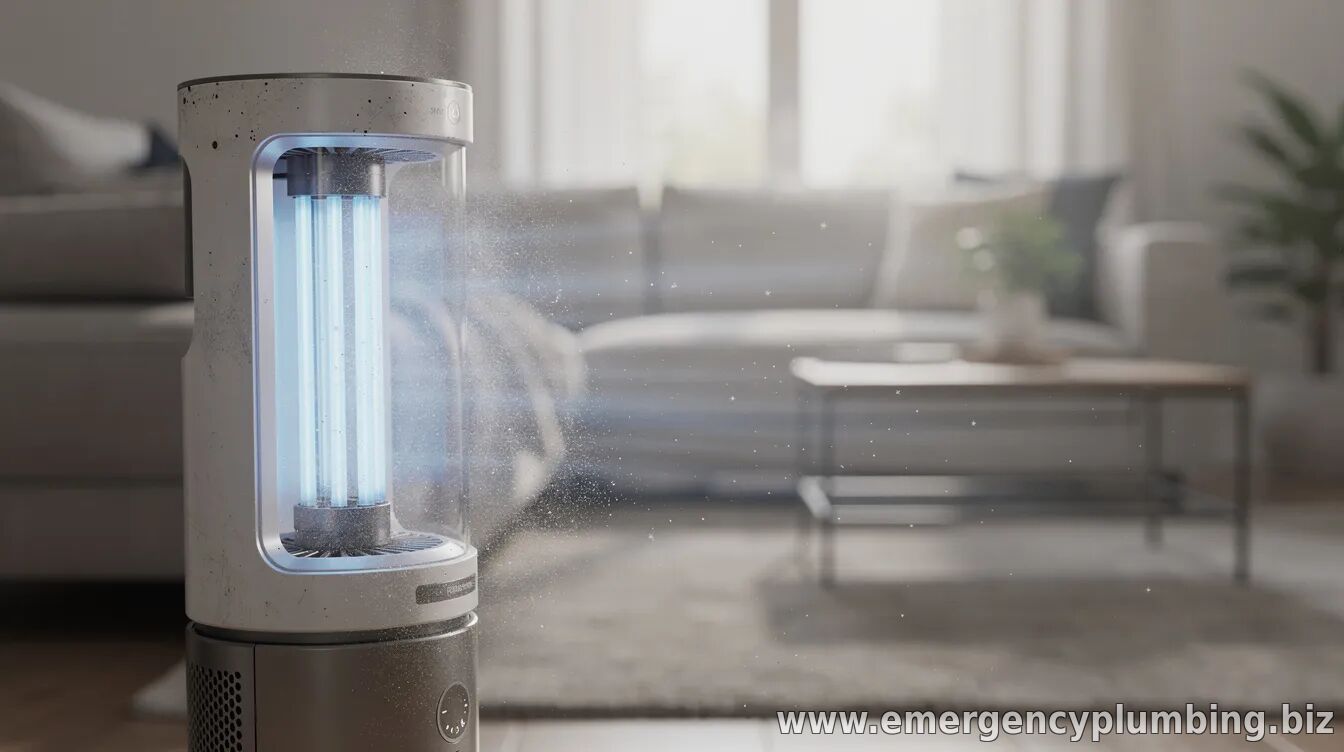
In many UV devices, ultraviolet (UV-C) light is used to inactivate microorganisms by damaging their DNA or RNA. When exposed effectively, this can reduce viable airborne viruses and bacteria that pass through the treatment zone. However, UV cannot “see” or disinfect particles that never reach the light path.
One key limitation is airflow and exposure time. UV systems work best when devices move air slowly and consistently through a chamber where UV intensity is sufficient. If a purifier’s design lets air bypass the treatment area or if UV intensity has degraded over time, the disinfection effect can be much smaller than marketing claims suggest.
Just as important: UV doesn’t replace particle filtration. Many household air-quality problems are driven by fine particulate matter—such as smoke, dust, and aerosols—from cooking, wildfires, or outdoor infiltration. UV may not remove these particles; HEPA filters (or equivalent particulate filtration) typically play the central role in capturing them.
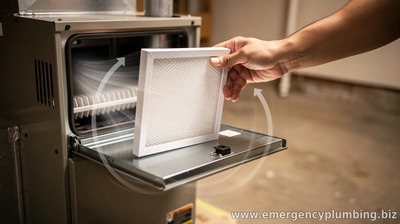
For that reason, experts often frame UV light as a complementary feature. In combination units, UV may add an extra layer of germ reduction inside the duct or fan chamber, while a HEPA filter continues to trap particles. In practice, this can be useful in settings where reducing microbial load matters—such as homes with occupants at higher risk—while still addressing common air pollutants via filtration. What UV can help with—and what it can’t
UV-C irradiation can reduce the number of certain microorganisms that are exposed inside the purifier. That includes many bacteria and enveloped viruses, though real-world performance depends on UV dose, device geometry, and airflow. It is not a substitute for removing chemicals or odors, because ultraviolet light alone generally does not reliably eliminate volatile organic compounds (VOCs) and many odor-causing molecules.
UV also doesn’t “fix” ventilation or source control. If indoor air quality is dominated by ongoing emissions—like tobacco smoke, cooking fumes, or strong VOC sources—UV will not address the root cause. Effective air cleaning usually starts with removing or reducing sources and then using ventilation and filtration to manage what remains. How to evaluate a UV purifier before buying
If you’re considering UV air cleaning, look beyond the UV label and focus on measurable performance indicators. A device should specify whether it includes HEPA or another high-efficiency particulate filter for particles. For UV itself, consider whether the product provides information about UV type (typically UV-C), chamber design, and maintenance requirements such as lamp replacement schedules.
Safety matters as well. UV-C can be harmful to eyes and skin if it leaks outside a sealed chamber, so prioritize models designed to prevent exposure and include interlocks or verified shielding. Avoid units that make strong claims without clear safety and maintenance information.
Finally, track performance realistically. Air purifier impact is often assessed by clean air delivery rate (CADR) for particles, not UV alone. A purifier that delivers adequate filtered airflow may improve comfort and health outcomes even without UV, while a weakly performing UV-focused unit may offer limited gains.
So, do UV light air purifiers actually improve air quality? They can, but mainly by reducing certain airborne microorganisms when airflow and UV exposure are properly engineered. For broader improvements—especially for fine particles and smoke—UV is typically not enough on its own. The most reliable approach for most homes is a combination of source control, good ventilation where appropriate, and strong particulate filtration, with UV as an added safeguard rather than the primary solution.
| |
⏰ Dispatcher support 24/7
📞 224-754-1984CALL ☎ Subscribe 👆 FORUM 🗣
North Shore, Northwest suburbs of Chicago, IL
Next & Previous posts
Related articles: