

11:57 PM Shower vs. Bathtub Plumbing: Key Installation Differences | |
When planning a bathroom remodel, choosing between a shower and a bathtub isn’t just about aesthetics—it can significantly affect how the plumbing is laid out. Differences in drain routing, fixture rough-in requirements, pressure and flow expectations, and waterproofing methods can change both the timeline and the budget.
Below are the practical plumbing differences homeowners and contractors commonly account for when installing or upgrading either option. 1) Drain location and rough-in measurements
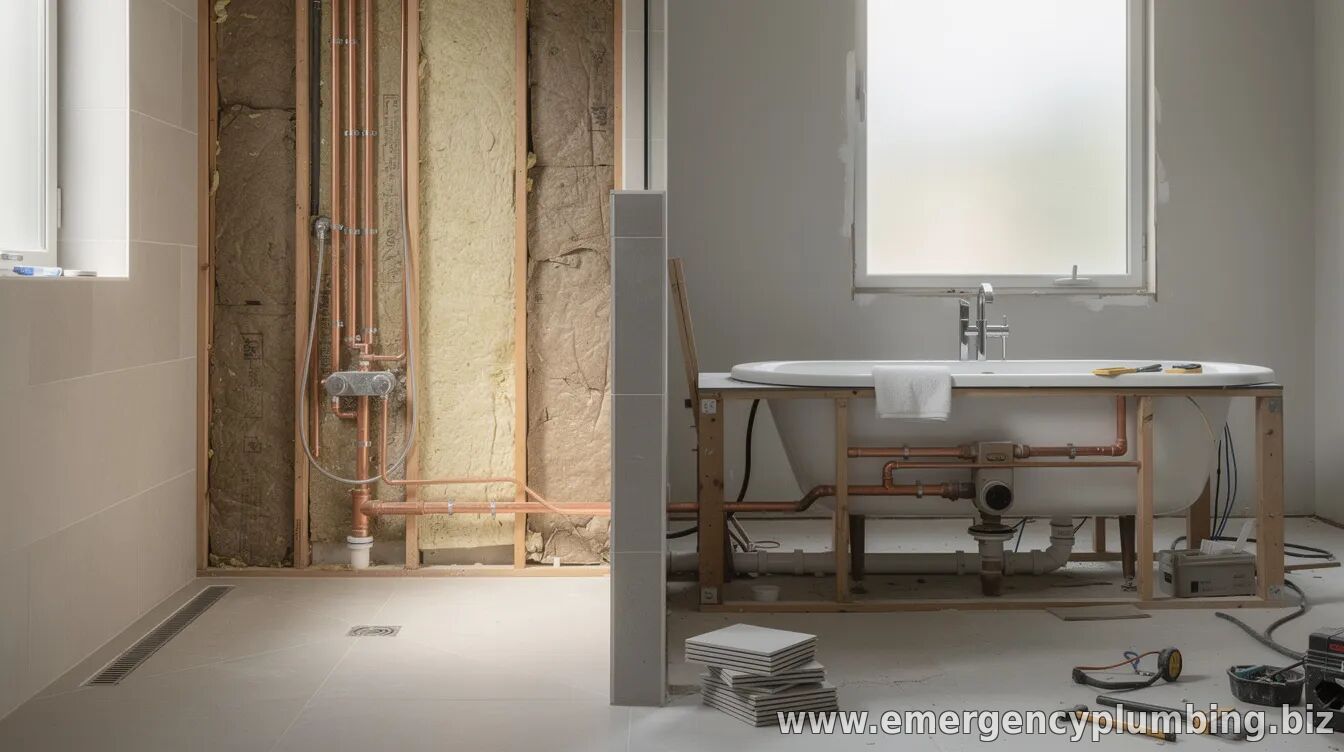
The most visible plumbing distinction is where the drain needs to be placed relative to the finished floor or base. Shower installations typically use a smaller footprint and a drain centered on the shower pan or within a specific layout depending on the pan style (including linear drains). Bathtubs require a drain at a standardized position for the tub model, often with the overflow positioned as part of the tub’s design.
Even if you’re keeping the same bathroom footprint, swapping between a shower and a tub can mean reworking floor framing or moving the drain line to meet the new rough-in specifications. 2) Water supply layout: valve placement and access
Both showers and tubs rely on hot and cold water supplies, but the way those supplies connect to the mixing valve can vary. Tubs commonly use a valve that supports both the tub spout and the shower function (if included), while many showers use a dedicated shower valve and separate trim components.
Remodeling can require opening walls to move or update valve locations—especially when changing from a bathtub setup to a stand-alone shower with different trim heights, controls, or a different showerhead arrangement. 3) Overflow and venting considerations
Bathtubs involve an overflow mechanism integrated into the fixture design, which affects plumbing connections and placement. Showers generally do not require an overflow in the same way, but they do rely on proper drain sizing, slope, and venting to prevent slow drainage or gurgling.
Regardless of the fixture, venting and proper trap configuration are critical for smooth operation. If the existing plumbing was designed for a different fixture type, vent routing or drain sizing may need evaluation. 4) Waterproofing and leak-risk differences
Plumbing isn’t the only factor—water management is central to both systems, but shower builds typically demand more extensive waterproofing coverage. A shower environment wets walls continuously, so shower walls and floors usually require a full waterproofing system (membrane, sealing details at penetrations, and compatible drain components).
Bathtubs still need waterproofing, particularly around the tub perimeter and any wall seams, but water exposure is usually more periodic and localized. In either case, leaks are often tied to poor sealing around valve bodies, plumbing penetrations, and drain connections. 5) Flow rate, performance, and mixing valve sizing
Showers and tubs can have different performance goals. Many homeowners expect a stronger shower spray, and that can depend on showerhead flow rate and whether the mixing valve can handle the demand. Bathtubs focus on fill time and may tolerate different flow characteristics because water is held in the tub rather than continuously sprayed.
During remodeling, it’s important to confirm that the existing supply pipe sizes, pressure, and any pressure-balancing components are appropriate for the new showerhead or tub system. 6) Common remodeling scenarios (and what they usually require)
In practice, the “hard parts” often come down to whether you’re keeping the same plumbing chase and fixture footprint. Typical scenarios include:
In all cases, confirming rough-in dimensions from the specific shower pan or bathtub spec is essential before opening walls.
Bottom line: Showers typically require more rigorous waterproofing and drain/pan-specific setup, while bathtubs add the overflow system and fixture-specific drain placement. If you’re remodeling, the fastest path is usually to design around existing drain and valve locations—or be prepared for drain-line and wall adjustments when switching between shower and tub configurations.
Note: Local code requirements and permitting rules can affect fixture installation, venting, and waterproofing. For complex changes, a licensed plumber can verify rough-in compatibility and reduce the risk of hidden leaks.
| |
⏰ Dispatcher support 24/7
📞 224-754-1984CALL ☎ Subscribe 👆 FORUM 🗣
North Shore, Northwest suburbs of Chicago, IL
Next & Previous posts
Related articles: