

0:53 AM Why Your Faucet Still Leaks After a Washer Replacement | |
A washer replacement is often the quickest fix for a dripping faucet, but persistent leaks usually mean the underlying seal still isn’t forming correctly. Even small issues—like a misaligned stem or debris in the seat—can allow water to slip past.
Below are the most frequent reasons faucets keep leaking after a washer change, plus practical checks to pinpoint the problem. 1) The washer isn’t the right size or type
Not all washers are interchangeable. If the new washer is too thick, too thin, or the wrong shape for your faucet’s valve, the contact point won’t be tight enough. Some faucets also require specific materials (rubber, foam, or specialized compounds) depending on water conditions.
Double-check the washer size and make sure it matches your faucet model. If possible, confirm by comparing the old washer’s dimensions to the replacement. 2) The washer didn’t seat properly
A washer can look installed correctly but still sit unevenly. This can happen if it’s twisted, pinched by the stem, or positioned before the valve is fully reassembled. When the faucet handle tightens, an off-center washer can leave a narrow gap where water flows.
During reassembly, ensure the washer sits flat and centered on the stem. Avoid over-tightening, which can deform some washers. 3) The valve seat is worn, pitted, or dirty
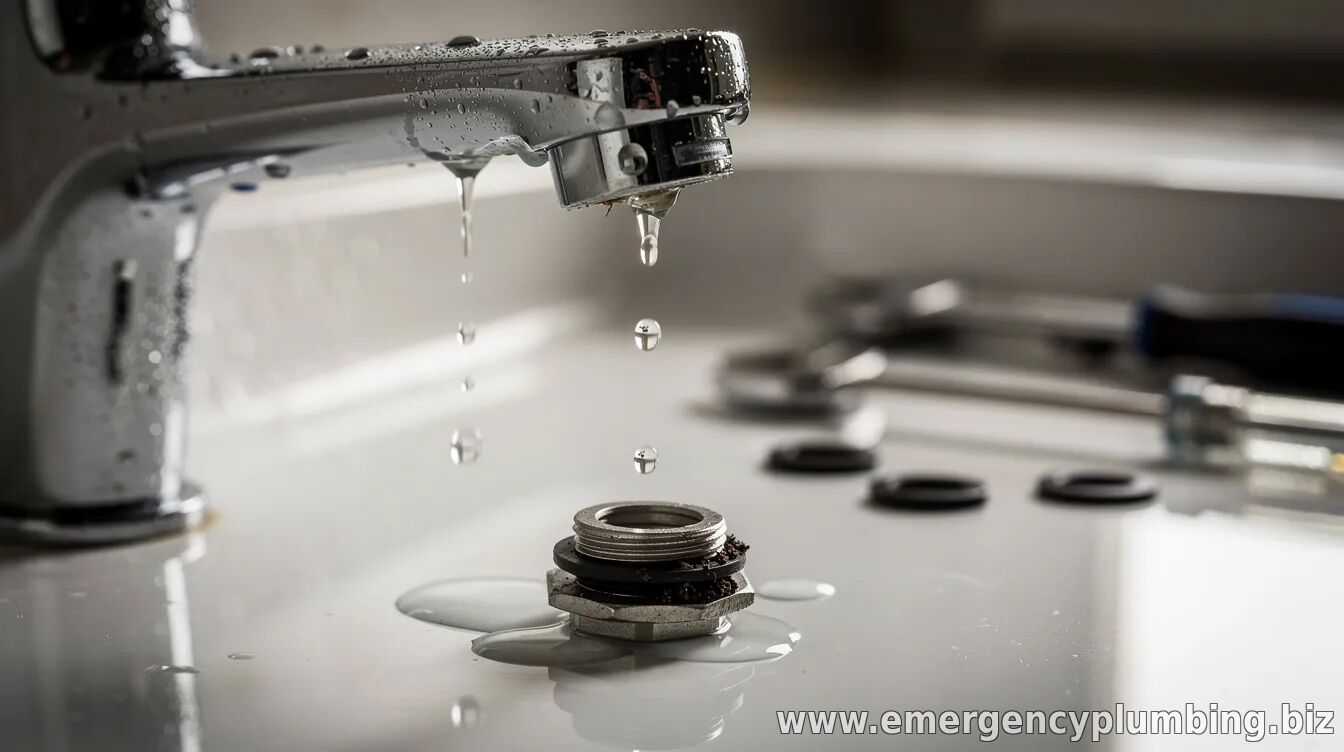
Even a perfect washer can fail if the surface it seals against—the valve seat—is damaged or coated. Corrosion and mineral deposits (lime/scale) can create high and low spots, preventing full contact. Over time, the seat can also become pitted, leading to a leak that starts immediately after repair.
Look for discoloration, roughness, or buildup at the seat. Cleaning mineral deposits thoroughly may help; if the seat is worn, it may need resurfacing or replacement using the correct tools. 4) There’s an additional failure elsewhere in the faucet
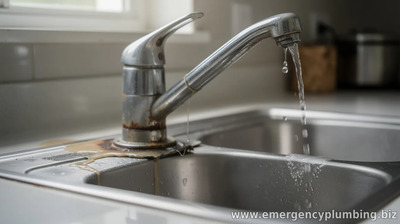
Some leaks aren’t actually “washer leaks.” If the leak continues, it could be coming from worn O-rings, cartridge/valve components, the packing nut area, or the faucet spout seals. In two-handle faucets, water can also escape from the stem while the washer seal looks fine.
Try to identify where the water appears: from the spout tip, around the handle, or around the base. The location often indicates which internal seal or component needs attention. Quick checks to narrow down the cause
If you’re unsure, consult your faucet’s make/model or compare the old parts to the replacement kit to ensure compatibility. Persistent leaks after a correct washer install often come down to a damaged seat or another worn seal.
Once you identify the leak source, the next repair step is usually straightforward—cleaning or replacing the specific component that’s preventing a full watertight seal.
| |
⏰ Dispatcher support 24/7
📞 224-754-1984CALL ☎ Subscribe 👆 FORUM 🗣
North Shore, Northwest suburbs of Chicago, IL
Next & Previous posts
Related articles: