
1:12 AM HVAC Tips to Cut Your Illinois Gas Bill This Winter | |
With winter in Illinois bringing longer heating seasons and colder indoor temperatures, many households look for practical ways to reduce natural gas usage without sacrificing comfort. The good news: a handful of HVAC adjustments—some quick, some seasonal—can cut waste and help systems run more efficiently. 1) Set the thermostat for steady, efficient heat
Start with how your home is heated day to day. Using a programmable or smart thermostat to keep temperatures steady can reduce unnecessary cycling. Experts commonly recommend setting the thermostat lower while you’re asleep or away, then raising it gradually when you’re home.
For many Illinois homes, small changes—like dropping the thermostat by a few degrees during inactive hours—can add up over months. If your furnace runs often, consider whether overshooting the temperature is causing longer burn cycles. 2) Replace filters and improve airflow
Dirty air filters restrict airflow, forcing HVAC equipment to work harder and use more fuel. Check filters at least once a month during peak heating season, and replace them if they appear loaded or discolored.
Choosing the right filter matters: a filter that’s too restrictive for your system can reduce performance. If you’re unsure, follow manufacturer guidance or ask a licensed HVAC technician what MERV level best fits your equipment. 3) Seal drafts and stop heat from escaping
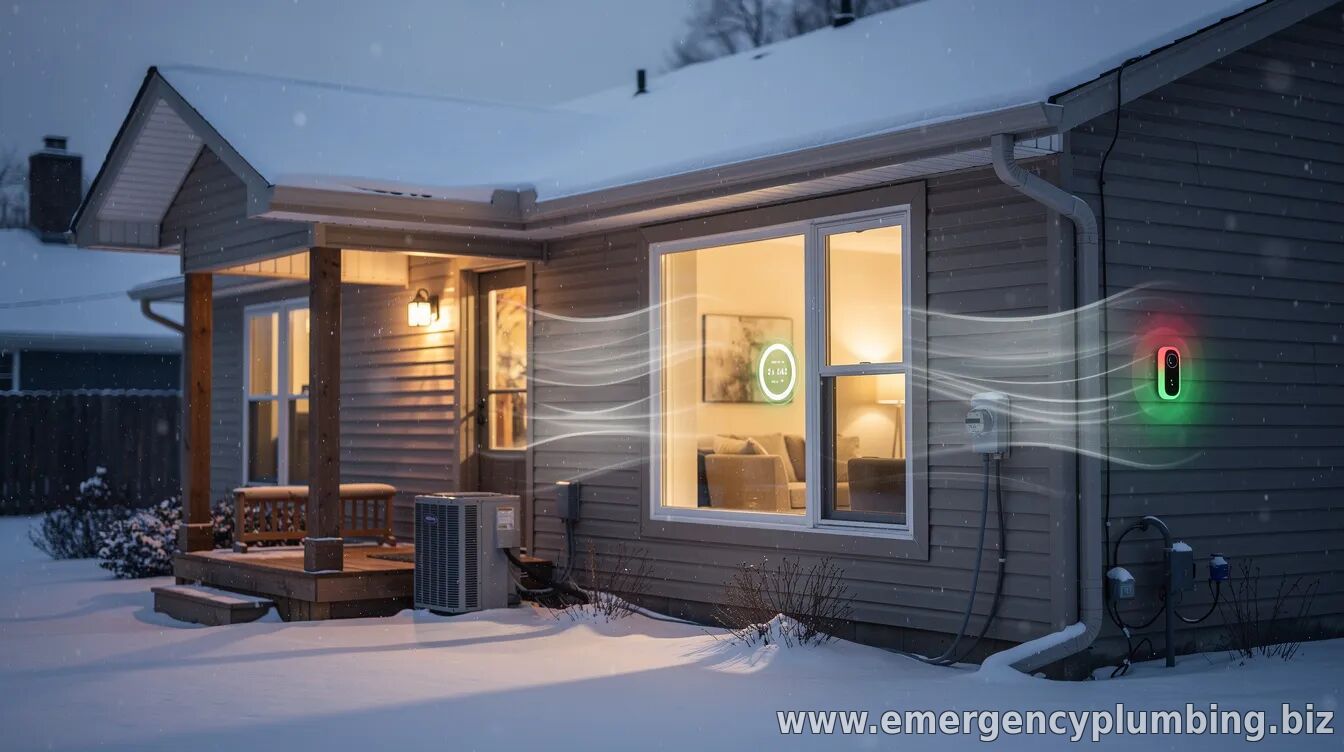
Even a perfectly tuned furnace will struggle if warm air leaks out. Identify common draft points such as gaps around windows and doors, weather-stripping that’s worn, and penetrations for pipes or vents. Simple measures—like sealing cracks and adding or tightening weather-stripping—help maintain indoor comfort at a lower thermostat setting.
For homes with older windows, temporary solutions such as draft covers can reduce losses while you plan longer-term improvements. If you can, a basic home energy audit can reveal hidden leaks and areas where insulation is missing.
Thermostat settings and airflow aren’t the only drivers—equipment health plays a major role. If your furnace hasn’t been serviced in the past year, schedule maintenance before deep winter cold arrives. A tune-up can improve combustion efficiency, check safety components, verify gas pressure and airflow, and ensure the blower and burners are operating correctly.
During a visit, ask the technician to review system performance and confirm that vents and heat exchangers are in good condition. This step not only supports efficiency, but it can also reduce the risk of breakdowns during cold snaps.
Another lever for Illinois homeowners is ductwork. Leaky ducts can push heated air into attics, crawlspaces, or basements instead of living spaces. If you notice uneven temperatures—rooms that run cold while others overheat—inspect ducts for loose connections and visible gaps, especially near joints.
In addition to sealing leaks, ensure vents aren’t blocked by furniture, rugs, or storage. Improving airflow distribution helps your system heat the home more evenly, reducing the temptation to raise the thermostat.
When managed correctly, small comfort practices can reduce gas demand. Use ceiling fans on low during winter months to help distribute warm air more effectively. Keep internal doors open where practical to support consistent circulation. If you have a fireplace, only burn seasoned wood and limit prolonged use; many traditional fireplaces can add drafts unless properly managed.
Also consider room-level strategies: closing blinds at night can reduce radiant heat loss through windows, while opening them during sunny periods can help capture passive warmth.
Finally, compare efficiency options based on your system’s age and performance. Older furnaces can be less efficient than modern models, and upgrading may be more cost-effective over time depending on your usage and local utility or incentive programs. If your furnace is near the end of its lifespan—or if repairs are becoming frequent—talk with an HVAC professional about replacement options.
Even before an upgrade, consider whether your home benefits from improved controls, such as zoning systems or smart thermostats, especially in houses with multiple levels or uneven heating.
Cutting a gas bill in winter usually comes down to four themes: control the temperature intelligently, keep airflow clean, reduce heat loss through sealing and insulation, and maintain your furnace so it burns fuel efficiently. For Illinois homeowners, taking these steps early—before the coldest weeks—can deliver steadier comfort and lower natural gas costs through the heating season.
| |
⏰ Dispatcher support 24/7
📞 224-754-1984CALL ☎ Subscribe 👆 FORUM 🗣
North Shore, Northwest suburbs of Chicago, IL
Next & Previous posts
Related articles: