

1:16 AM Clay vs PVC Sewer Pipe: Which Lasts Longer? | |
Sewer pipes don’t just have to survive water and waste—they also have to endure soil movement, traffic loads, root intrusion, corrosion, and the stresses of trenching and backfill. So when people ask whether clay or PVC sewer pipe lasts longer, the most honest answer is: both can last a long time, but in different ways.
Below is how durability typically compares, what most influences pipe lifespan, and how to choose a pipe material that fits your system and conditions. Typical lifespan ranges
Exact service life varies by region, construction standards, and maintenance history, but common industry expectations are:
In practice, a “long life” outcome usually comes down to whether the pipe is installed correctly and whether it’s protected from the most common failure triggers. How material properties affect longevity
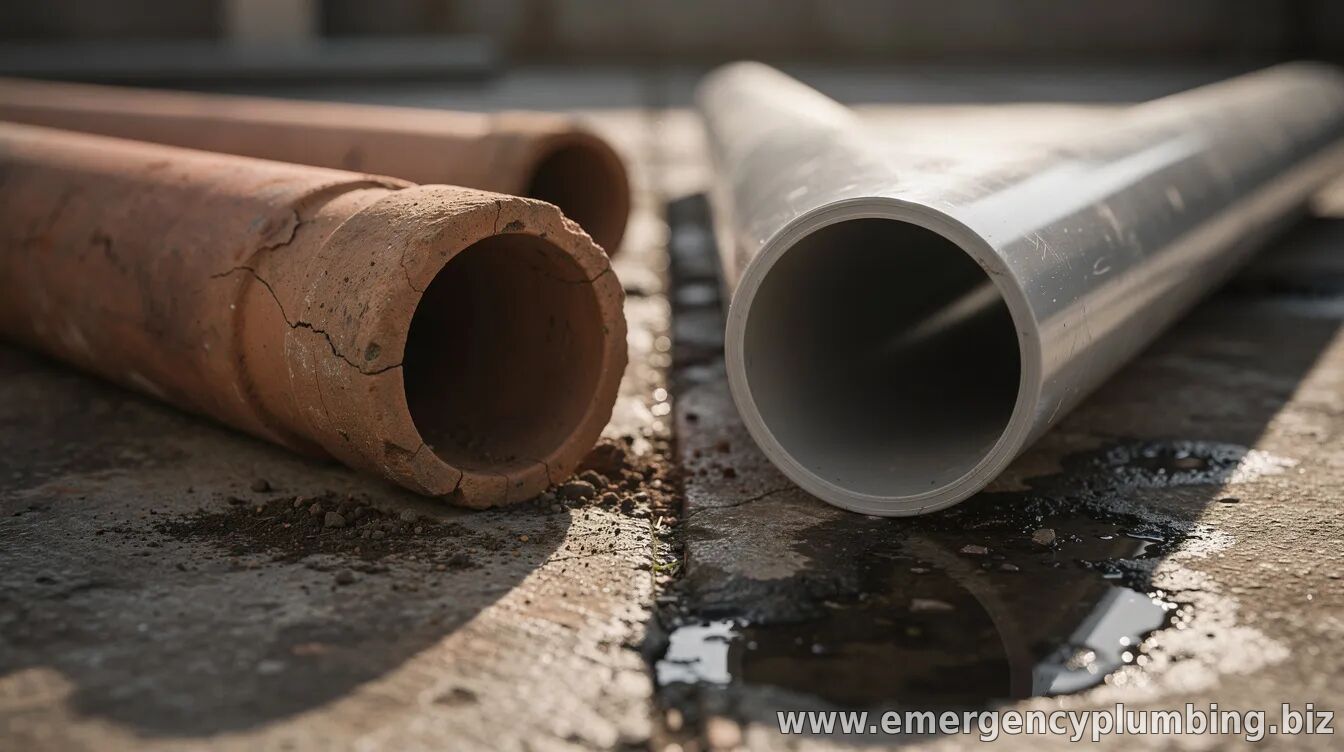
Clay pipe is rigid and generally chemically resistant. Its long-term performance can be excellent when the pipe remains intact. However, clay’s major vulnerability is physical cracking—often caused by improper bedding, settlement, or heavy loads applied to the pipe.
PVC pipe is also durable and corrosion-resistant, and it has more flexibility than clay. That flexibility can help PVC better tolerate minor settlement without cracking. PVC can still fail, but more often through issues like joint problems, poor slope/grade, or damage from excavation and backfilling rather than through gradual “material breakdown.” Installation quality often matters more than the material
The biggest predictor of sewer pipe lifespan is frequently the construction details. Even a “long-life” material can fail early if:
In other words, the “best” pipe is often the one installed in a way that prevents stress concentrations and water infiltration. Common failure modes: what shortens life
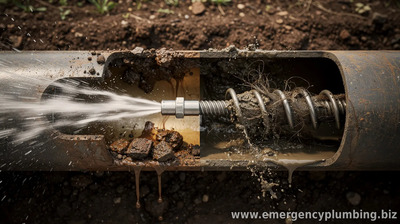
For clay, early failures commonly include cracked sections, separated joints, and leakage paths that allow soil infiltration (or wastewater exfiltration). Once cracks form, roots can enter and block flow, and the pipe can deteriorate further around damaged areas.
For PVC, common longevity breakers include impact damage during installation, incorrect joint assembly, improper handling of couplings/solvent welds (depending on system design), and external stress from poorly compacted backfill. In areas with high groundwater pressure or heavy site movement, design and installation details remain crucial. So which lasts longer?
For many modern replacements, PVC often offers an advantage in practice because it is less prone to brittle cracking and can perform well under typical residential conditions—especially when joints are installed correctly and the trench is built to standard. That’s why many municipalities and contractors prefer PVC for new work and repairs.
Clay can still last longer than expected when it’s already in good condition, remains well supported, and hasn’t suffered cracking or repeated joint separation over time. In other words, older clay systems can demonstrate remarkable longevity—until a stress event or failure point begins a chain reaction of leakage and root intrusion. Practical guidance for choosing
If you’re planning a sewer replacement or new installation, consider these points:
Ultimately, longevity is less about “clay vs PVC” in isolation and more about the full system—pipe, joints, bedding, slope, backfill, and long-term maintenance.
If you share your installation context (region/climate, trench depth, soil conditions, and whether this is a repair or a full replacement), we can narrow down which material is more likely to last longer in your specific situation.
| |
⏰ Dispatcher support 24/7
📞 224-754-1984CALL ☎ Subscribe 👆 FORUM 🗣
North Shore, Northwest suburbs of Chicago, IL
Next & Previous posts
Related articles: