

11:56 AM Understanding Hard Water: Causes, Impacts, and Practical Solutions for Homeowners | |
Hard water is water that contains high levels of dissolved minerals, primarily calcium and magnesium. While not a health hazard, it can cause a range of practical problems around the home, from stubborn soap scum in the shower to mineral buildup in pipes and appliances.
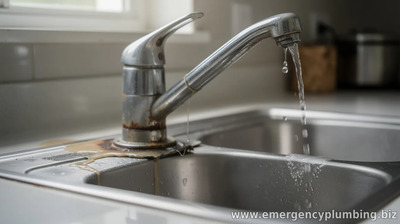
In many regions, the minerals come from underground sources that come into contact with aquifers and groundwater. When water flows through rock and soil, it picks up minerals and carries them into homes. The result is water that can feel slipperier than soft water, leave white crusty deposits on faucets, and reduce lather with soaps and detergents.
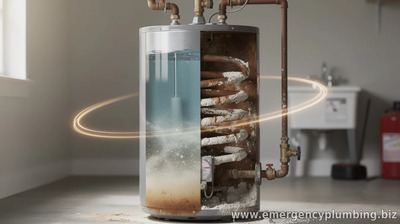
Why it matters for households: Hard water can shorten the life of appliances such as water heaters, dishwashers, and washing machines by promoting mineral buildup. It also can reduce the efficiency of heating elements, leading to higher energy bills. Some residents notice dry skin, itchy hair, or corrosion on metal fixtures where minerals accumulate.
What areas are most affected?
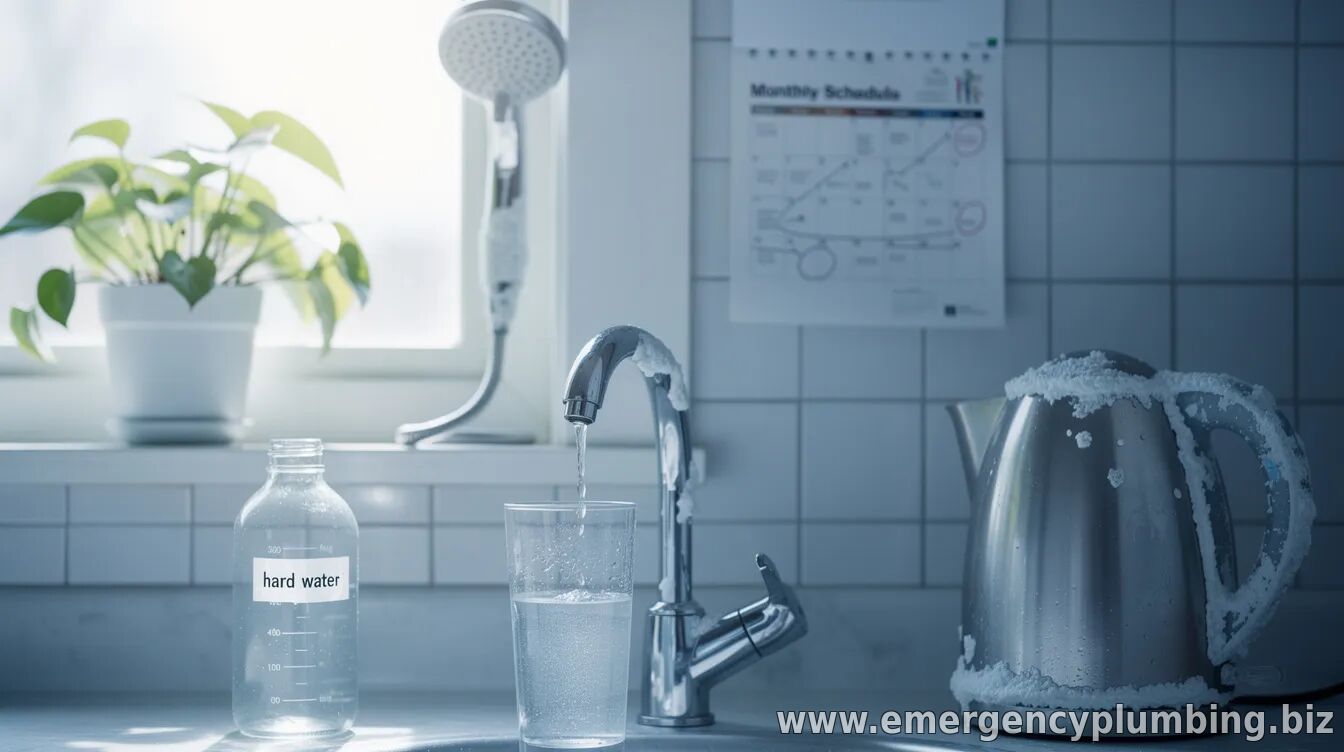
Regions with naturally high mineral content in groundwater—often described as “hard water counties”—report more frequent scale formation in kettles, showerheads, and pipes. The severity varies by local geology, water source, and home plumbing, meaning two adjacent houses can have very different experiences with hard water.
How hard water shows up in everyday life
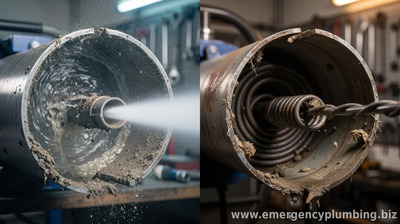
Soap and shampoo may not lather as well, leaving a film on dishes, glassware, and shower walls. Scale buildup on coffee makers, kettles, and water heaters reduces efficiency and can increase energy costs. In extreme cases, mineral deposits clog aerators and reduce water pressure in faucets.
Addressing hard water typically involves one or more treatment strategies. Common solutions include installing a point-of-entry water conditioner (a whole-home water softener), using descaling agents periodically, and choosing detergents designed for hard water. For those who want a lower-maintenance approach, installing pre-filter systems or choosing mineral-removal cartridges for specific appliances can be practical middle-ground options.
Choosing the right approach depends on the budget, the severity of hardness (measured in grains per gallon or parts per million), and whether there are other water quality concerns such as iron or sulfur smells. Homeowners should consider getting their water tested to determine mineral levels and consult with a licensed professional to evaluate the best system for their home.
In addition to installing treatment systems, simple habits can reduce the impact of hard water. Regularly cleaning faucet aerators, running hot water weekly to prevent mineral buildup, and using compatible cleaning products can help maintain efficiency and reduce maintenance costs over time.
Looking ahead, homeowners in hard-water regions may benefit from a holistic approach that combines water testing, targeted treatment, and routine maintenance. While hard water isn’t dangerous, managing its effects can improve appliance longevity, water efficiency, and daily comfort.
| |
⏰ Dispatcher support 24/7
📞 224-754-1984CALL ☎ Subscribe 👆 FORUM 🗣
North Shore, Northwest suburbs of Chicago, IL
Next & Previous posts
Related articles: